The movie version of scientists is a lone scientist having a "Eureka!" moment in a laboratory - thanks, Archimedes. In modern times, for example, ecoterrorists attack because humanity is a plague, science creates a cure, we are saved, or a scientist is a myopic tinkerer who creates a virus and government wants to weaponize it, etc.(1)
From herbicides to vaccines to pollution, there is a science consensus but there are still pockets of people who refuses to accept them. They are bolstered by disinformation campaigns. When it comes to food or what car to drive, the difference is higher cost or kicking the pollution can down the road for future generations to solve, but vaccine denial is harming people with immune issues right now.
This is scaring so many people, but is full of mistakes and has no scientific credibility. It's written by a couple of businessmen, with a foreword by a retired admiral, and no scientific peer review. For instance they misunderstood a paper about "lethal heat" which was referring to the heat waves we have at present, 30% of the world population experience this every year already, e.g. Europe this summer.
Many American journalists have dispatched any pretense of objectivity, according to
a new think tank report.
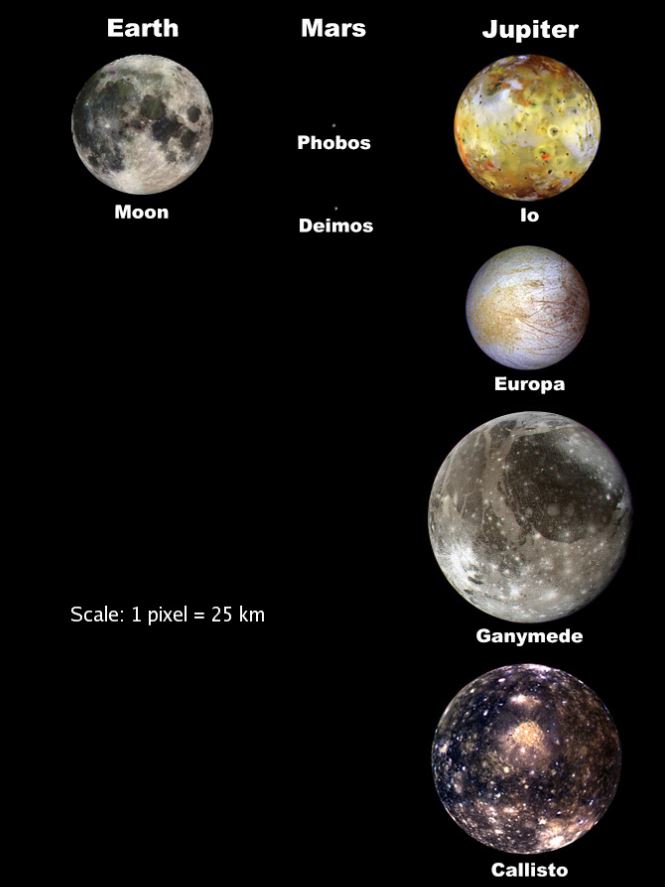
Last night I was absolutely mesmerized by observing the transit of Ganymede and Io, two of Jupiter's largest four moons, on Jupiter's disk. Along with them, their respective ink-black shadows slowly crossed the illuminated disk of the gas giant. The show lasted a few hours, and by observing it through a telescope I could see a three-dimensional view of the bodies, and appreciate the dynamics of that miniature planetary system.
In this post I wish to explain to you, dear reader, just why the whole thing is so fascinating and fantabulous to see, in the hope that, should you have a chance to observe it yourself, you grab the occasion without considering the lack of sleep it entails. I am sure you will thank me later.
On Applied Epistemic Helplessness
The often (always?) brilliant Scott Alexander has an essay that parallels the thesis of an essay I've been meaning to write for that last six years. It's the perfect topic to kick off this column which I've been meaning to get off the ground for the last six months, so here goes. The epistemological question he lays out was pivotal to me, setting me on a path to the range of topics and conclusions that I plan to tackle in this space.
A new look at data tracked the diets, health and lifestyle habits of nearly 30,000 adults across the country for as long as 31 years has concluded that the risk of heart disease and death increases with the number of eggs an individual consumes.
The epidemiology paper believes that is due to the cholesterol.
Health care has become political and that means everyone wants everything for little money, at least when it comes to their own treatment or those in their family. The other edge of the political sword is lawyers waiting to sue, which has led to high malpractice costs and even higher costs due to "defensive medicine" - running unnecessary tests and engaging in procedures doctors know aren't valuable in order to check off boxes if a lawsuit happens.
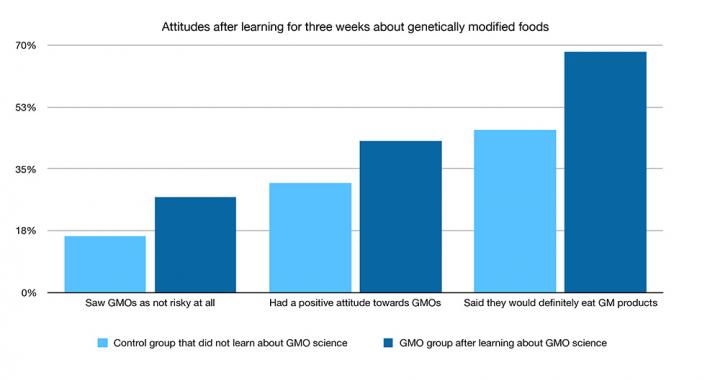
Though every world science body sees no reason to be concerned about genetic engineering - hundreds of millions of humans and billions of animals have been fine with a gene in one plant that is simply found naturally in another plant, as you'd expect - well funded activist campaigns about "Frankenfoods" have largely succeeded. Organic food has ballooned in revenue using claims it claims no GMOs all while not mentioning their own less precise genetic engineering; mutagenesis, bathing organisms in chemicals and radiation to get a desired effect.
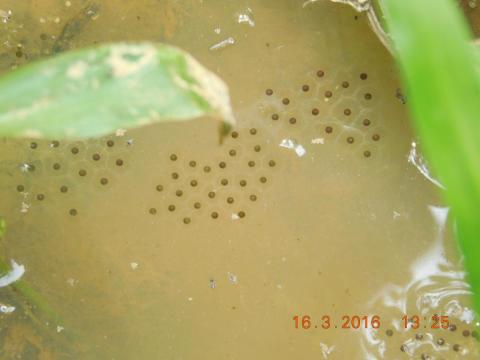
Researchers doing observations in Myanmar's Htamanthi Wildlife Sanctuary found that rain-filled tracks of Asian elephants (
Elephas maximus)
were filled with frog egg masses and tadpoles. The tracks can persist for a year or more and provide temporary habitat during the dry season. Trackways could also function as "stepping stones" that connect frog populations.