In
a recent paper, Lehigh University anthropologist Professor Allison Mickel says archaeological excavations are often led by foreigners from the West while dependent on the labor of people from the local community, a relic of Western colonial and imperial pursuits.
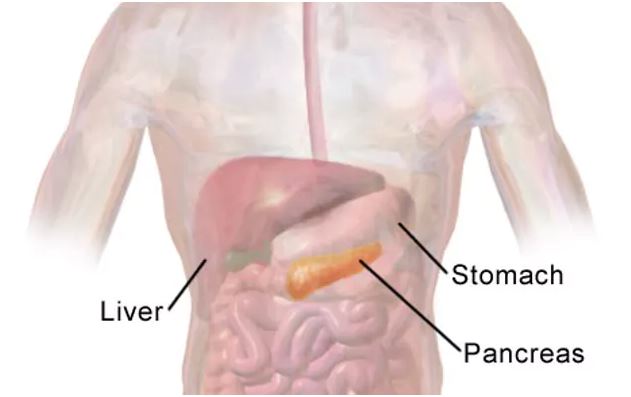
With Alex Trebek’s recent announcement that his pancreatic cancer is in remission, many people have wondered if this difficult cancer is now easier to treat. Pancreatic cancer remains a major cancer killer, but advances are happening.
As a medical oncologist who specializes in treating and studying pancreatic cancer, I’ll try to provide insights, including some from the American Society of Clinical Oncology (ASCO) meeting now underway.
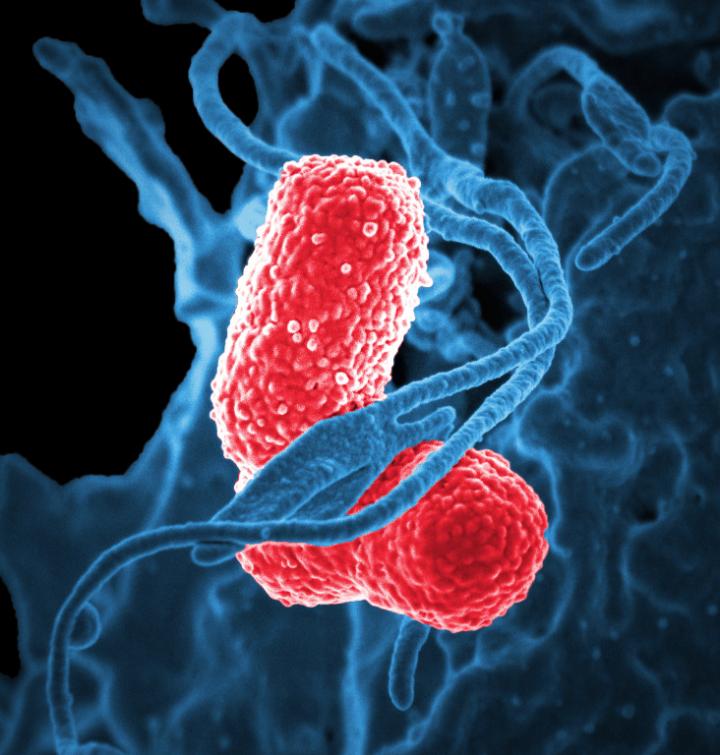
People treated in hospitals and other health care settings are increasingly at risk of infection with multidrug-resistant bacteria. Many of these microbes produce enzymes called extended-spectrum β-lactamases (ESBLs), which make them resistant to antibiotics. Understanding how ESBL bacteria spread from person to person is key to developing effective prevention strategies.
An observational study conducted in a French hospital
showed that human contact was responsible for 90 percent of the spread of one species of antibiotic-resistant bacteria to new patients, but less than 60 percent of the spread of a different species.
If you survey educators and students, current or former, many will claim they have a learning style - such as visual, auditory or tactile - that they were born with, and some say it predicts both academic and career success.
There is no scientific evidence to support this common myth,
according to new researc, but surveys in the United States and other industrialized countries across the world have shown that 80% to 95% of people believe in learning styles. It's difficult to say how that myth became so widespread.
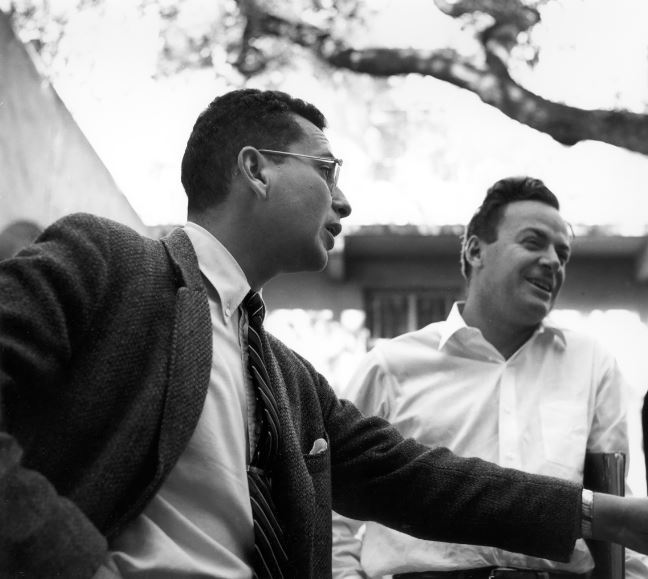
RIP to Professor Murray Gell-Mann, who passed away last week and was famed (including a Nobel prize) for quark theory.
I never met him, but if you spent time at Caltech you probably did. He was not like Einstein, I am told, he was approachable if you were a young scientist, but you had to know what you were talking about.
A few years ago I taught a class there, invited by my friend the best-selling author and science journalist Greg Critser, who was an instructor for science journalism at the school. He had previously agreed to be on an AAAS panel I was moderating in San Francisco and I was returning the favor for him by being a guest speaker for his class at Caltech.
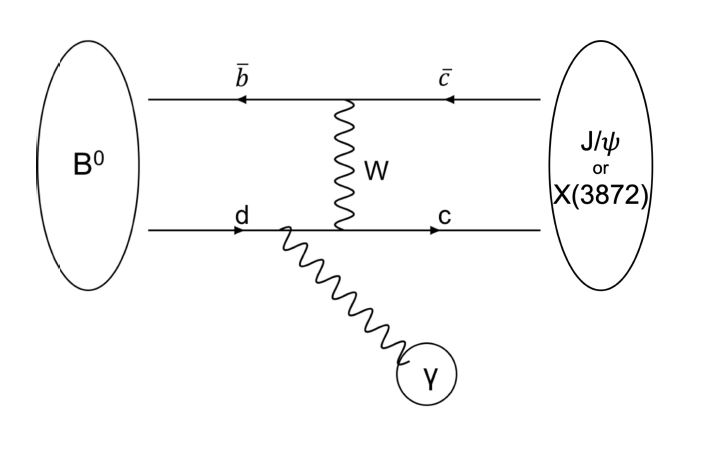
I know, the title of this article will not have you jump on your chair. Most probably, if you are reading these lines you are either terribly bored and in search of anything that can shake you from that state - but let me assure you that will not happen - or you are a freaking enthusiast of heavy flavour physics. In the latter case, you also probably do not need to read further. So why am I writing on anyway? Because I think physics is phun, and rare decays of heavy flavoured hadrons are interesting in their own right.
A prototypical extrovert is someone talkative, outgoing, who prefers taking the initiative in groups, expresses positive emotion and enjoys seeking out new experiences. By contrast, a prototypical introvert is quiet, emotionally reserved, less effusive, and harder to get to know.
You can imagine which of those is going to have an easier time in most jobs.
Ancestors of modern humans "recycled" broken flint tools 400,000 years ago in order to create small, sharp utensils with specific functions in the processing of animal products and plant materials. The results were found in digs at Qesem Cave, located just outside Tel Aviv, which was discovered in 2000 during a road construction project and has since provided insights into life in the region hundreds of thousands of years ago.
Sulfurihydrogenibium yellowstonense (Sulfuri), the bacterium that controls the formation of rocks that look like pasta on Earth is ancient and thrives in harsh environments that are similar to conditions on Mars.
That's why cute robots on the surface might want to look for fusilli or some other noodle.
In only 10 percent of flowering plant species do female and male flowers exist on separate plants, where they typically remain female or male throughout their lifetime. The other 90 percent combine both sexes in one plant.