



Physicians have higher rates of suicide than the general public despite having prestigious jobs respected by the public and good pay.

A new podcast and accompanying article in CMAJ (Canadian Medical Association Journal) looks at things that are important to know.

1. Increased suicidal ideation begins as early as medical school, with nearly 25 percent of students surveyed reporting suicidal ideation within the last 12 months. Obviously that does not mean medical schools cause suicide, it could mean that medical schools prize themselves on being stressful or it could even mean people with other qualities are more likely to go to medical school - but also have psychological issues.
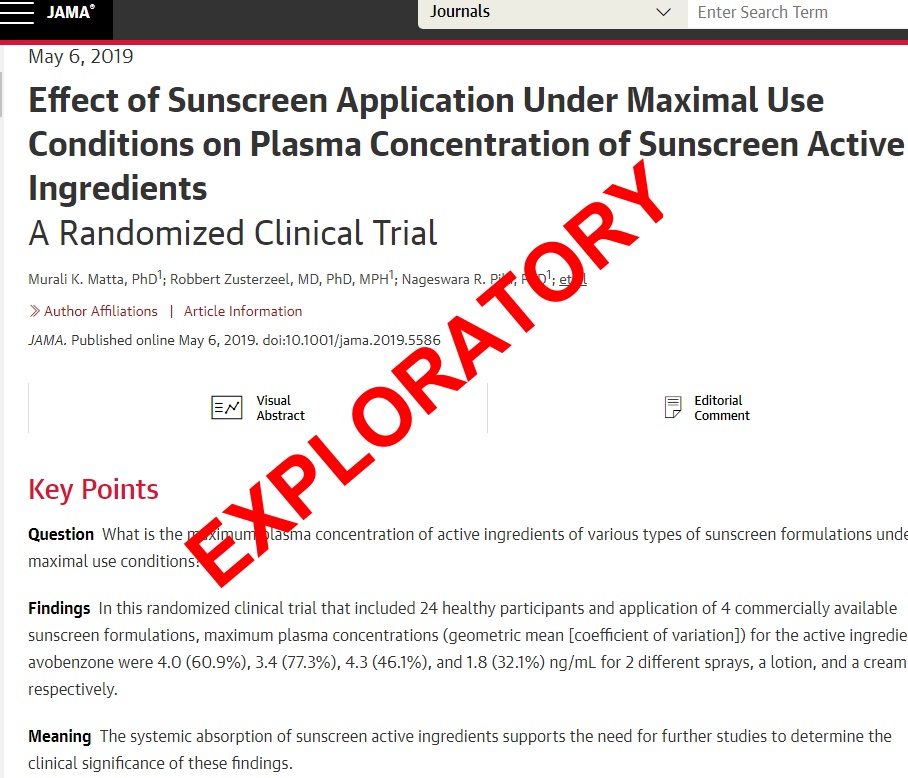
A recent paper in JAMA should have EXPLORATORY in giant red letter across every page, or else journalists will use it to promote fear and doubt about sunscreens. Which is already happening.
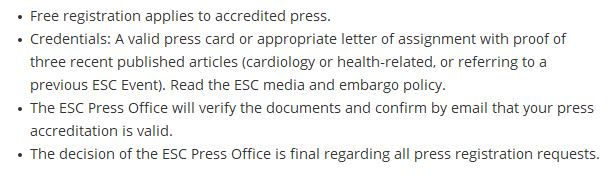
Survey results that will be presented during Heart Failure 2019 in Athens a few weeks from now are a good opportunity to discuss facts and myths about heart disease. Including some held by cardiologists.

20 percent of believe believe, for example, that heart disease patients should avoid exercise while just over 50 percent know that exercise can be a treatment for their disease. Meanwhile, doctors are unsure about the conflict between cancer treatment and heart disease. Does cancer promote heart disease? There are common pathways in tumor growth and heart failure and some cancer therapies are toxic to the heart so it could be that, or the other way around.
Using dietary logs of recalls of ~336,000 individuals in the UK Biobank along with a genome-wide association study of bitter beverage consumption and of sweet beverage consumption., scholars have determined that your preference for dark roast coffee and a coworker's intake of soda might not be determined by taste 'genes' - it may be instead be genes related to the psychoactive properties of beverages. That goes for alcohol also.
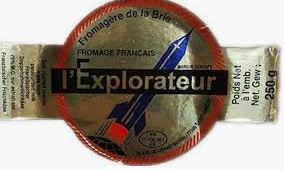
The U.S. Food and Drug Administration is warning of possible Listeria monocytogenes contamination in l’Explorateur soft ripened cheese. This is pasteurized cow’s milk cheese, so at least it isn't raw unpasteurized milk causing illness yet again, and was made by in St. Simeon, France.

It is sold in small, circular wheels (250g) with sell-by dates of May 7, 2019 and May 14, 2019. Product lot codes are 7742-H 057 and 77432-H 064. 

Cheese labeled as such should be thrown away immediately.


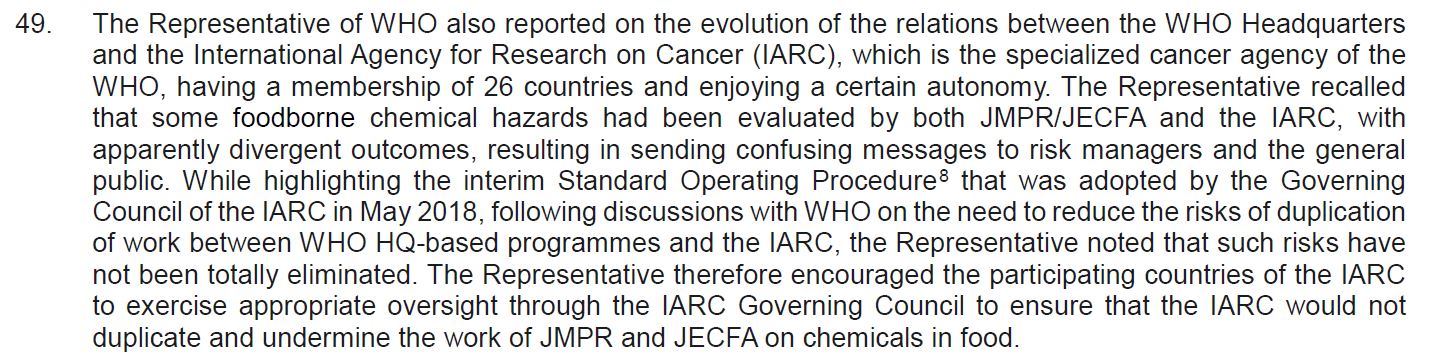
The International Agency for Research on Cancer (IARC) was once a serious, revered organization with the somber task of tackling what environmental factors caused what cancers so that we could eliminate them.(1)

And they did. Their decisions for the first 20 years were rock solid - there is no debate now that cigarettes, smog, and alcohol will kill you, especially if you routinely have high doses.  When California chose to abdicated its science policymaking to a French group, there were concerns that its power might be abused but they were dismissed because there was no indication IARC was heading in that direction.
When most people think of rubber, they usually just think of tires but natural rubber is an incredibly important yet under-appreciated bioresource used to make at least 50,000 different products. 

Approximately 13 million tons are collected every year from tapping 39 billion liters of latex (by hand!) from rubber trees, mostly in southeast Asia - enough to fill over 5,200 Olympic-sized swimming pools. After collection, 11% of the latex is centrifuged to remove half of the water, and the rest is converted to solid rubber. The concentrated latex is shipped to manufacturers of articles, such as gloves and condoms, while the bulk of the solid rubber is made into tires.

What if something went wrong with that supply?
The Association of American Medical Colleges (AAMC is promoting a doomsday shortage where America is without 47-122,000 physicians, over a third of them being general practitioners, by 2032 and say it is due to the “graying” of America, both among providers and the public.
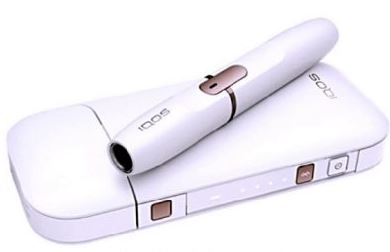
Just over a year ago I testified before a Food and Drug Administration advisory panel in support of the iQOS device, a smoking replacement tool that heats tobacco but doesn't ignite it.
There is a big difference between a trial lawyer convincing a jury in one of America's most anti-science regions that an herbicide that only acts on plants might be able to cause human cancer, and scientists with knowledge of chemistry, biology, and toxicology who know better.


