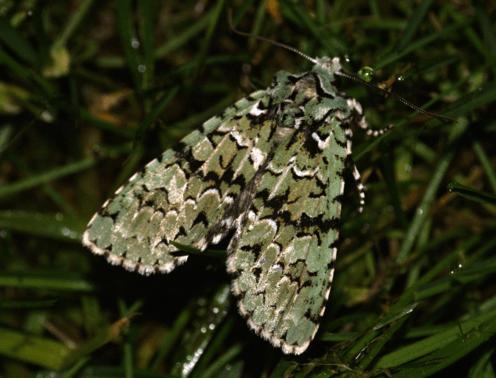







Butterflies aren't the only ones with snazzy stripes. Ben Sale, CC BY

By Callum Macgregor, University of Hull

Ask people to describe what they associate with butterflies, and you will probably get an image of a sunny summer’s day, with a beautiful peacock drifting gently on the cooling breeze.


Good Needlwork magazine shows you how to get better bosoms. Image: Dave Whatt

By Jo Brewis, University of Leicester

When my good friend and long-term collaborator Sam Warren was given a pile of women’s magazines from the 1930s by her grandmother Jane Frampton, we found among them 11 Christmas issues of Good Needlework, Model Housekeeping, The Needlewoman and Stitchcraft.

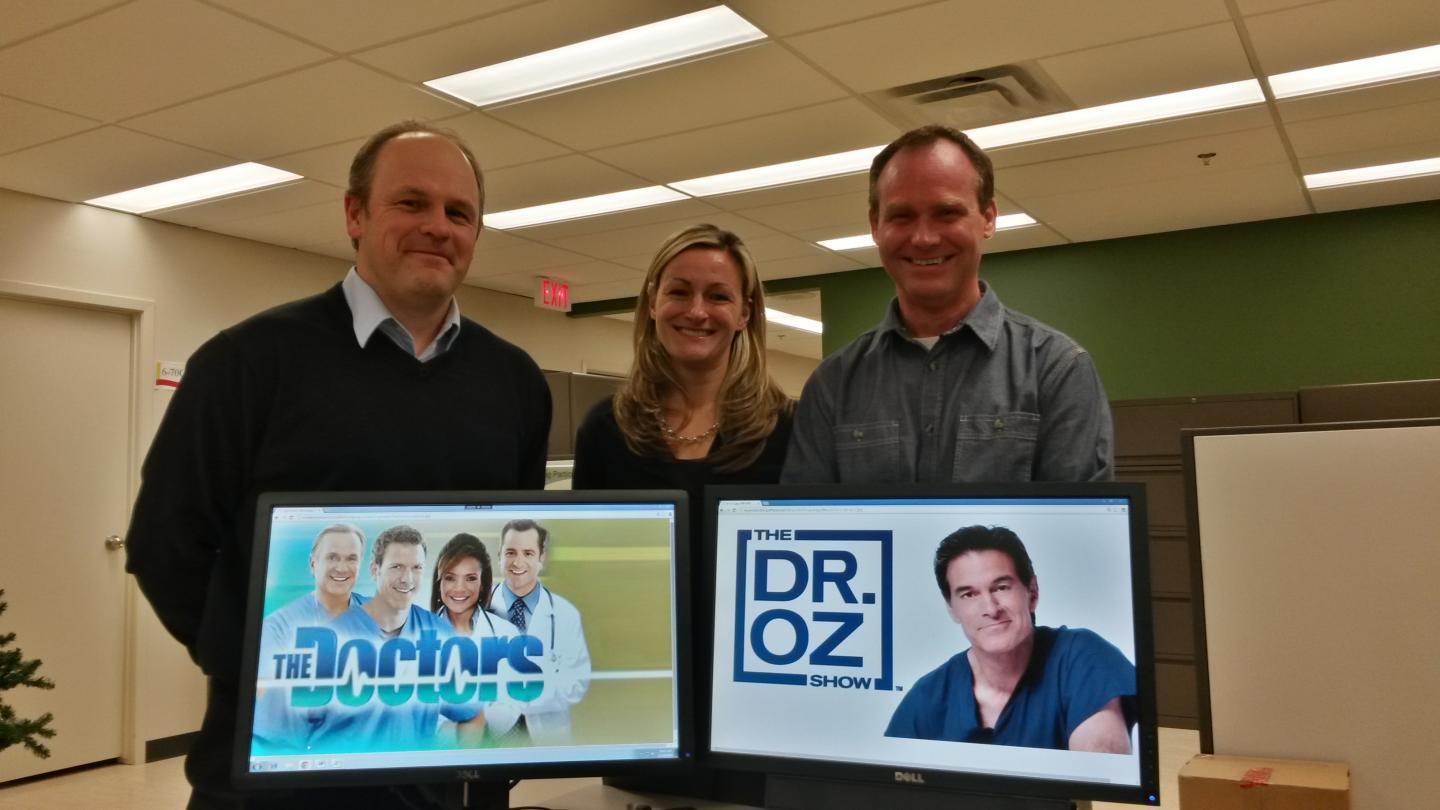
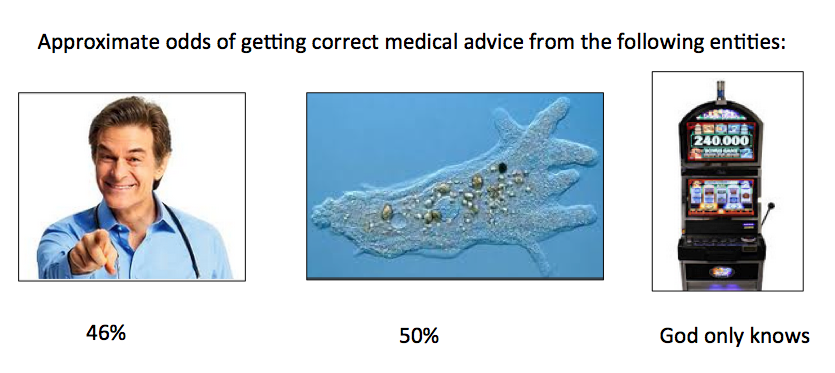
Televisiom programs such as "The Dr. Oz Show" and "The Doctors" have attracted massive followings, primarily due to having charismatic hosts who clearly mean well, coupled with a public desire to know the science basis for how we function.

But in the quest to have new content so often each week, the perception among the science community is that they will run with any claims about the latest health miracle or scary chemical. That doesn't help the public, it just promotes suspect alternatives to medicine or an anti-science mentality among the people who would most benefit from an evidence basis for decision-making.


Freeze your eggs or your career? Shutterstock

By Jenna Healey, Yale University

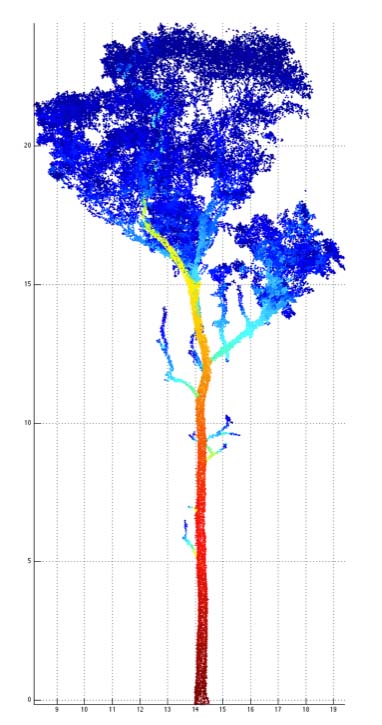
A terrestrial laser scanning technique that allows the structure of vegetation to be 3D-mapped to the millimeter is more accurate in determining the biomass of trees and carbon stocks in forests than current methods, according to a paper in Methods in Ecology and Evolution

The study authors believe it could be used in monitoring carbon stocks for climate policy. Both above-ground biomass and carbon stocks are important details for UN-REDD, the United Nations initiative on Reducing Emissions from Deforestation and forest Degradation that is striving to keep the destruction of forests in check and thereby preserve the uptake of carbon by trees.


Children should be taken into consideration when helping adults with mental health issues. Shutterstock

By Sam Cartwright-Hatton, University of Sussex

Mental illness runs in families. This is well known and uncontroversial. There is much that we could do to reduce this risk, but we currently do almost nothing.

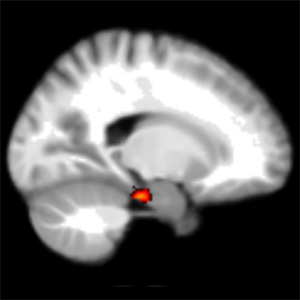
It's no secret that some people are better at navigating than others, but it has been unclear why.

In order to successfully navigate to a destination, you need to know which direction you are currently facing and which direction to travel in. For example, 'I am facing north and want to head east'. It is already known that mammals have brain cells that signal the direction that they are currently facing, a discovery that formed part of the 2014 Nobel Prize in Physiology or Medicine to Professor John O'Keefe.

In case you are fooled by the title, and are expecting to learn about a retro-metal group with a really terrible name, I apologize in advance. That's not what this is about.

At some point during the rancorous comment section that followed my last piece about Dr. Oz,  I promised I wouldn't be writing about him anymore. I lied. Unfortunately, these days there is little downside to doing this. At worst, it will make me slightly more likely to hold an elected office in New Jersey.

Though the New York governor recently made a pretense of banning fracking in the state (it was already not allowed) and the California governor said they should do the same thing, they're both being a little hypocritical. New York would have brown-outs without the energy they buy from Pennsylvania fracking and California has no fracking and 50 percent higher utility costs than the rest of the country because they subsidize alternatives and have to buy so heavily on the spot market.

American CO2 levels are down and while some contend it is more due to federal economic mismanagement and unemployment than cleaner natural gas, emissions from coal, the dirtiest energy source, are back at early 1980s, and natural gas gets credit for that.

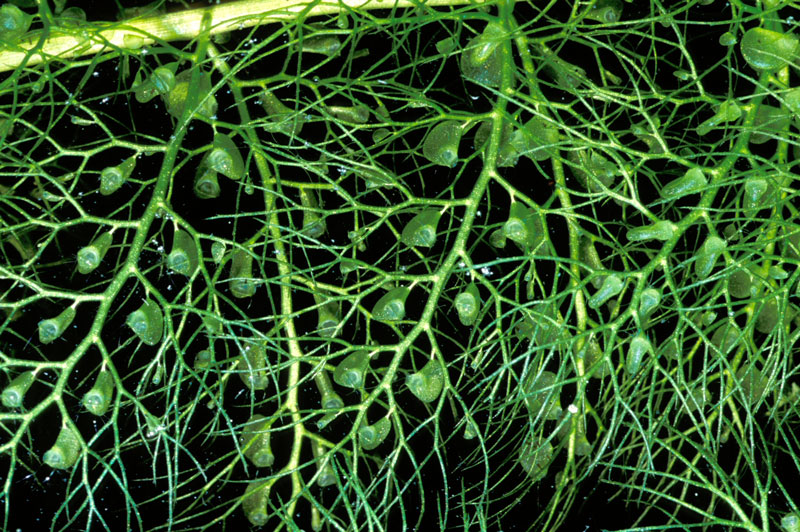
A carnivorous plant is a delight for people because everyone knows plant don't catch and eat animals - except some do. Like us, they need animals for nutrition.

Do carnivorous plants also sometimes shake off nature and become vegetarians? 

It seems so. The aquatic carnivorous bladderwort, which can be found in many lakes and ponds worldwide, eats little animals but also mixes it up by consuming algae and pollen grains in aquatic habitats where prey animals are rare, and that leads to increased evolutionary fitness if the animals and algae are caught in a well-balanced diet.


