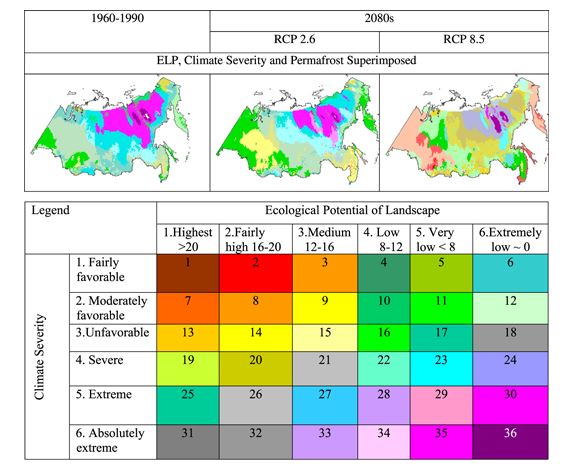
To many in the west, Siberia is synonymous with remote winter gulags where dissidents go to die.
A new simulation estimates that if climate change occurs according to more aggressive models, the end of the century might see it as a pretty nice place to love. Russia east of the Urals towards the Pacific accounts for 77 percent of Russia's land area - 13 million square kilometers. Its population, however, is just 27 percent and is concentrated along the forest-steppe in the south, which has a comfortable climate and fertile soil.
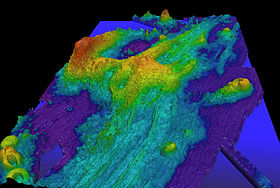
There are lots of paradoxes in nature but one - how earthquakes along mid-ocean ridges are linked with low tides - may have revealed a mechanism.
The mechanism is the magma below the mid-ocean ridges.
"It's the magma chamber breathing, expanding and contracting due to the tides, that's making the faults move," says Christopher Scholz, a seismologist at Columbia University's Lamont-Doherty Earth Observatory.
Low tide correlation to earthquakes is surprising because of the way the mid-ocean fault moves. The fault as a tilted plane that separates two blocks of earth. During movement, the upper block slides down with respect to the lower one.
When you think "Hamilton" in 2019, you think $800 tickets to a Broadway show in Manhattan, and when you think Manhattan, you think urban wealthy elites and the denial of science that seems to go with it.
Not so for "Hamilton" producer Jeffrey Seller and Broadway photographer Josh Lehrer, who are instead funding efforts to use science to clone and plant 100 of the world's oldest and largest trees, called
Champion Trees. Like California Redwoods.
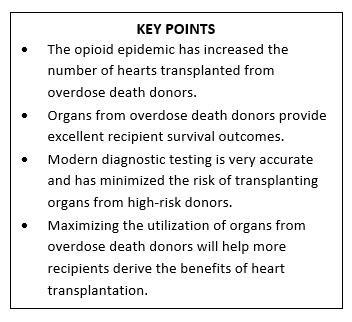
Though the U.S. government and its hand-picked panel are claiming that the "opioid epidemic" is legitimate pain patients getting hooked on drugs because of lazy doctors and greedy pharmaceutical companies, the reality is much different. Only a small number of people considered addicted to opiods are not instead recreational users.
The movie version of scientists is a lone scientist having a "Eureka!" moment in a laboratory - thanks, Archimedes. In modern times, for example, ecoterrorists attack because humanity is a plague, science creates a cure, we are saved, or a scientist is a myopic tinkerer who creates a virus and government wants to weaponize it, etc.(1)
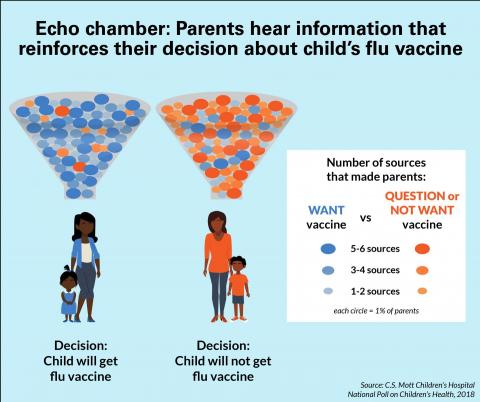
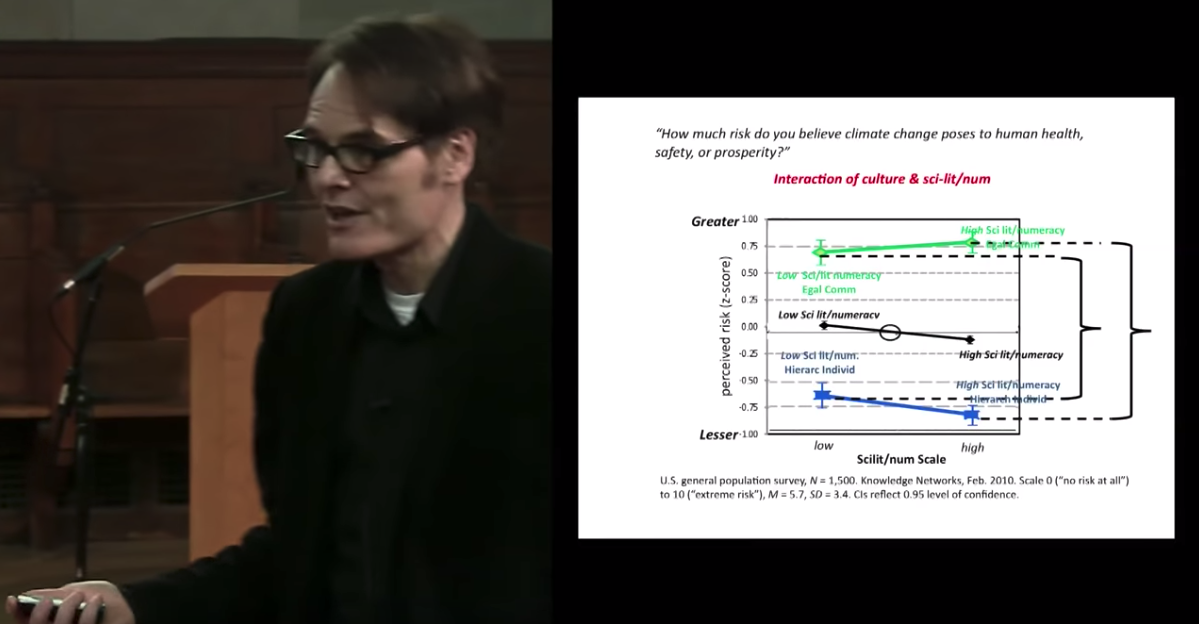
From herbicides to vaccines to pollution, there is a science consensus but there are still pockets of people who refuses to accept them. They are bolstered by disinformation campaigns. When it comes to food or what car to drive, the difference is higher cost or kicking the pollution can down the road for future generations to solve, but vaccine denial is harming people with immune issues right now.
This is scaring so many people, but is full of mistakes and has no scientific credibility. It's written by a couple of businessmen, with a foreword by a retired admiral, and no scientific peer review. For instance they misunderstood a paper about "lethal heat" which was referring to the heat waves we have at present, 30% of the world population experience this every year already, e.g. Europe this summer.
Many American journalists have dispatched any pretense of objectivity, according to
a new think tank report.
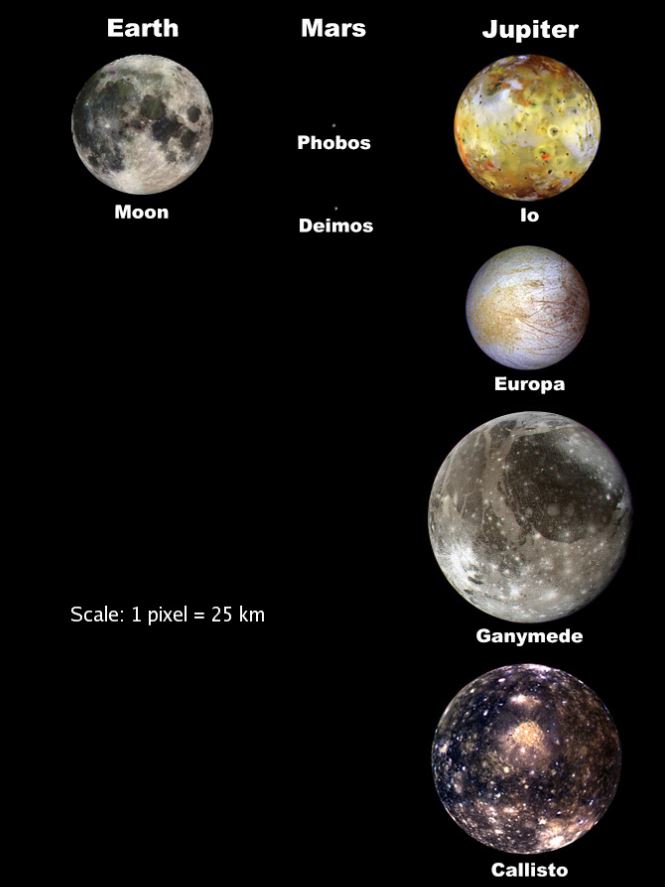
Last night I was absolutely mesmerized by observing the transit of Ganymede and Io, two of Jupiter's largest four moons, on Jupiter's disk. Along with them, their respective ink-black shadows slowly crossed the illuminated disk of the gas giant. The show lasted a few hours, and by observing it through a telescope I could see a three-dimensional view of the bodies, and appreciate the dynamics of that miniature planetary system.
In this post I wish to explain to you, dear reader, just why the whole thing is so fascinating and fantabulous to see, in the hope that, should you have a chance to observe it yourself, you grab the occasion without considering the lack of sleep it entails. I am sure you will thank me later.
On Applied Epistemic Helplessness
The often (always?) brilliant Scott Alexander has an essay that parallels the thesis of an essay I've been meaning to write for that last six years. It's the perfect topic to kick off this column which I've been meaning to get off the ground for the last six months, so here goes. The epistemological question he lays out was pivotal to me, setting me on a path to the range of topics and conclusions that I plan to tackle in this space.