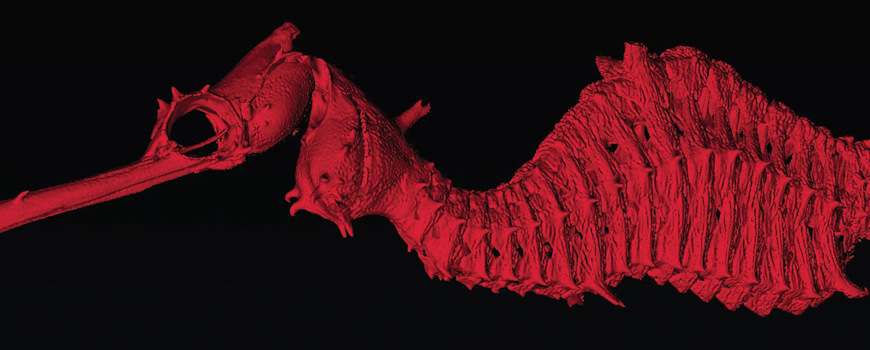






Make way for a new color under the sea. The orange tint in Leafy Seadragons and the yellow and purple hues of Common Seadragons is now getting some red: Scientists have discovered a new species named Phyllopteryx dewysea, which means Ruby Seadragon.

The discovery was made while researching the two known species of seadragons as part of an effort to understand and protect the exotic and delicate fish. Using DNA and anatomical research tools, University of California - San Diego graduate student Josefin Stiller and marine biologists Nerida Wilson of the Western Australia Museum (WAM) and Greg Rouse of Scripps Oceanography found evidence for the new species while analyzing tissue samples.

Everyone loves to talk about the weather, and this winter Mother Nature has served up a feast to chew on. Few parts of the US have been spared her wrath.

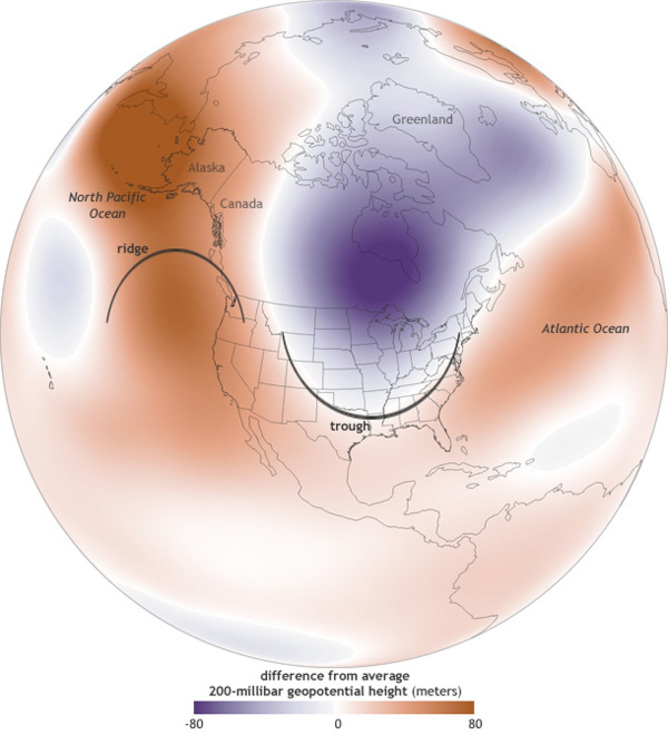
Severe drought and abnormally warm conditions continue in the west, with the first-ever rain-free January in San Francisco; bitter cold hangs tough over the upper Midwest and Northeast; and New England is being buried by a seemingly endless string of snowy nor’easters.

Yes, droughts, cold and snowstorms have happened before, but the persistence of this pattern over North America is starting to raise eyebrows. Is climate change at work here?

If you are not a person who handles stress well, you are unlikely to enter a high-risk, high-reward field like sales, instead something calmer will be more suitable, even if the pay is much lower. Making less money did not cause your stress level, stress caused you to make less money, according to a new paper by scholars at Ecole Polytechnique Fédérale de Lausanne.

On a biological level, they associated the effects of stress with the release of the hormone cortisol in the Psychoneuroendocrinology paper. 
Human papillomaviruses (HPV) infect epithelial cells in the skin and mucosal tissue and can cause tumor-like growth. Some of these viruses also develop malignant tumors, especially cervical cancer in women, which kills around 4,000 women each year.

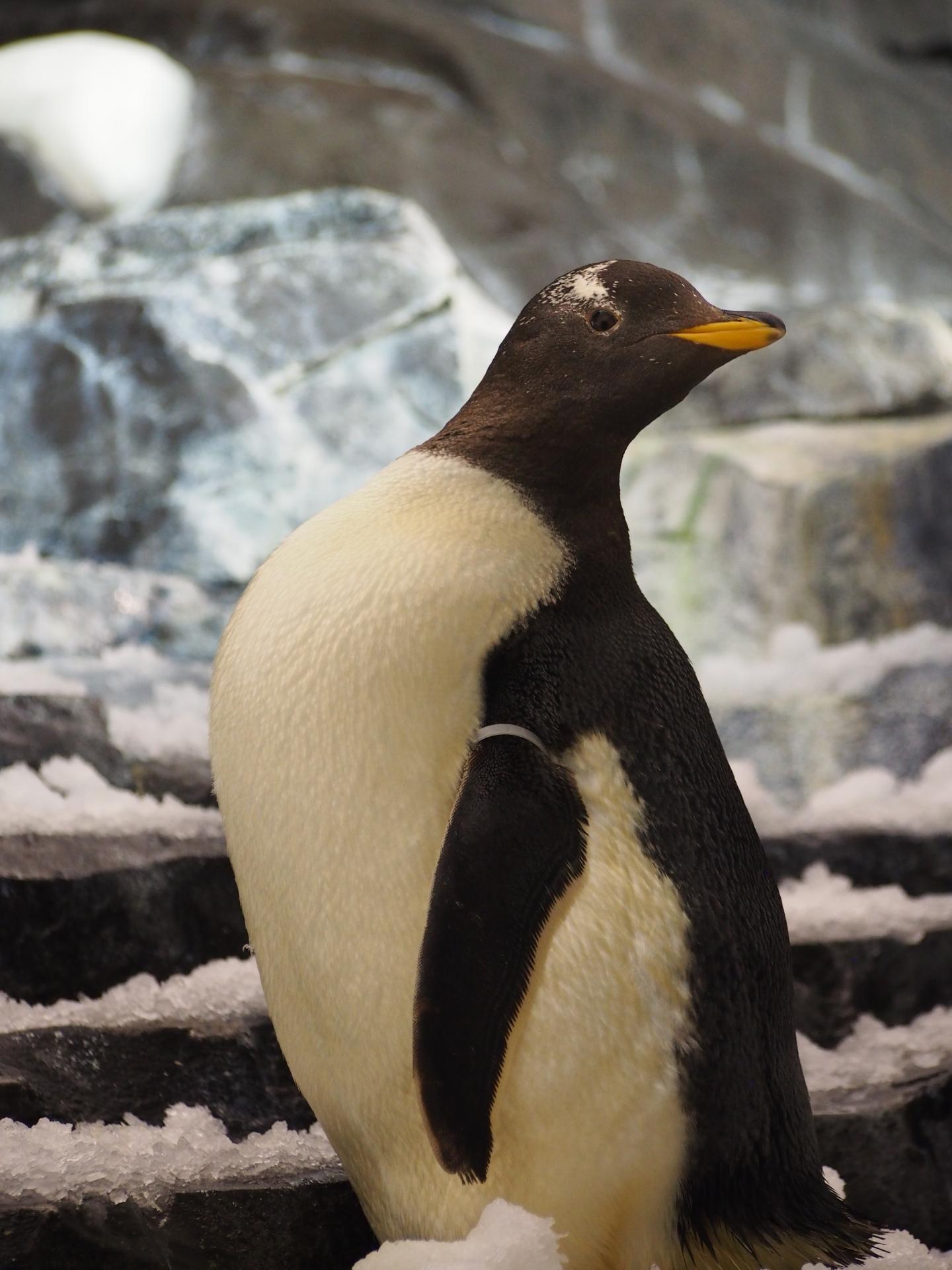
It's about sustenance, not pleasure. Penguins can't enjoy or even detect the savory taste of the fish they eat or the sweet taste of fruit. A new analysis of the genetic evidence reported in the Cell Press journal Current Biology on February 16 suggests that the flightless, waddling birds have lost three of the five basic tastes over evolutionary time. For them, it appears, food comes in only two flavors: salty and sour.

Many other birds, such as chickens and finches, can't taste sweet things either. But they do have receptors for detecting bitter and umami (or meaty) flavors.

Gentoo penguin. Credit: Jianzhi 'George' Zhang


David Bowie famously issued 'Bowie bonds'. Do artists have viable alternatives to copyright? EPA/Nils Meilvang


Much of the creative work we value – whether it’s films, music, novels, or TV shows – requires a significant input of time and resources.

The established method for raising the resources to fund such work is copyright – which gives creators an exclusive right to communicate their work to the public (with some small limitations). In its most familiar use, creators raise resources by selling copies of their work.

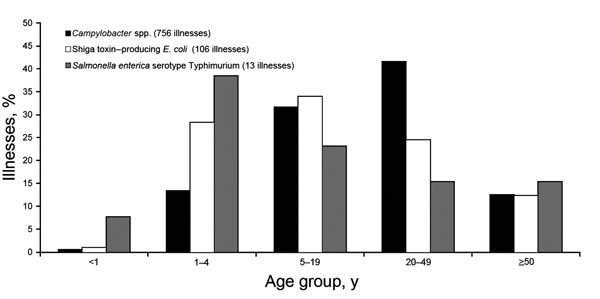
Would you like some Campylobacter or E. Coli today? Raw milk in 26 U.S. states is now the best place to get it, since most readers of Science 2.0 are not going to have the opportunity to buy chicken from a street vendor in China.

Photo: Taber Andrew Bain, CC BY

The link between exercise, diet and ill health has been recognized for a considerable length of time.

Napping beyond the age of 2 is linked to poorer sleep quality in young children, although the impact on behavior and development is less clear-cut, according to a review in Archives of Disease in Childhood. The total length and quality of sleep over a 24 hour period is linked to child health and development, and parents and carers have been encouraged to let toddlers take a daytime nap as a way of promoting good health. By the time a child is 2, s/he is generally getting most of his/her sleep at night.

The researchers wanted to find out what impact napping has on young children's night-time sleep quality, behavior, cognition and physical health.

About 8 million tons of plastic waste wound up in the world's oceans in 2010, and researchers warn that the cumulative amount could increase more than tenfold in the next decade unless the international community improves its waste management practices.

Jenna Jambeck from the University of Georgia in Athens, GA, along with colleagues from the United States and Australia, studied the sources of ocean-bound plastic around the world and developed models to estimate their annual contributions. They suggest that coastal countries generated close to 275 million tons of plastic waste in 2010--and that 4.8 to 12.7 million tons of that plastic made its way to the oceans.

