A cautionary tale on fad diets seems obvious enough; no one should listen to anyone whose sole credentials are putting 'babe' in the name of their website or uses 'holistic' as part of their job description. But even the U.S. and U.K. governments have at times been overrun by epidemiological anecdotes that they nonetheless turn into formal policy.
For patients with type 1 diabetes, the daily routine involves constantly monitoring blood sugar and judging when and how much insulin to self-inject. A miscalculation or lapse in regimen can cause blood sugar levels to rise too high (hyperglycemia) - which could lead to heart disease, blindness and other long-term complications - or to get too low (hypoglycemia), which in the worst cases can result in coma or death.
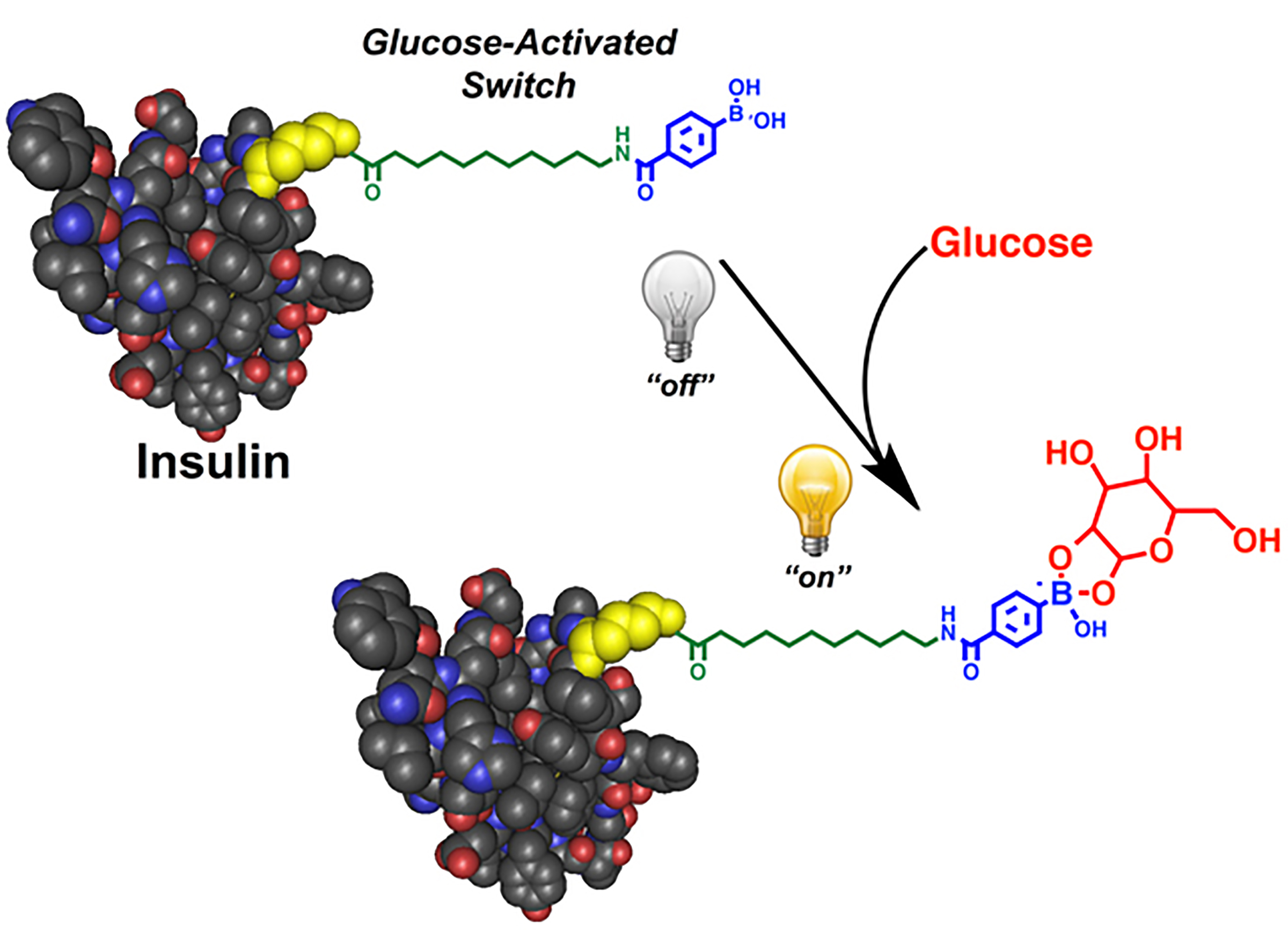
To mitigate the dangers inherent to insulin dosing, a University of Utah biochemist and fellow scientists have created Ins-PBA-F, a long-lasting “smart” insulin that self-activates when blood sugar soars.
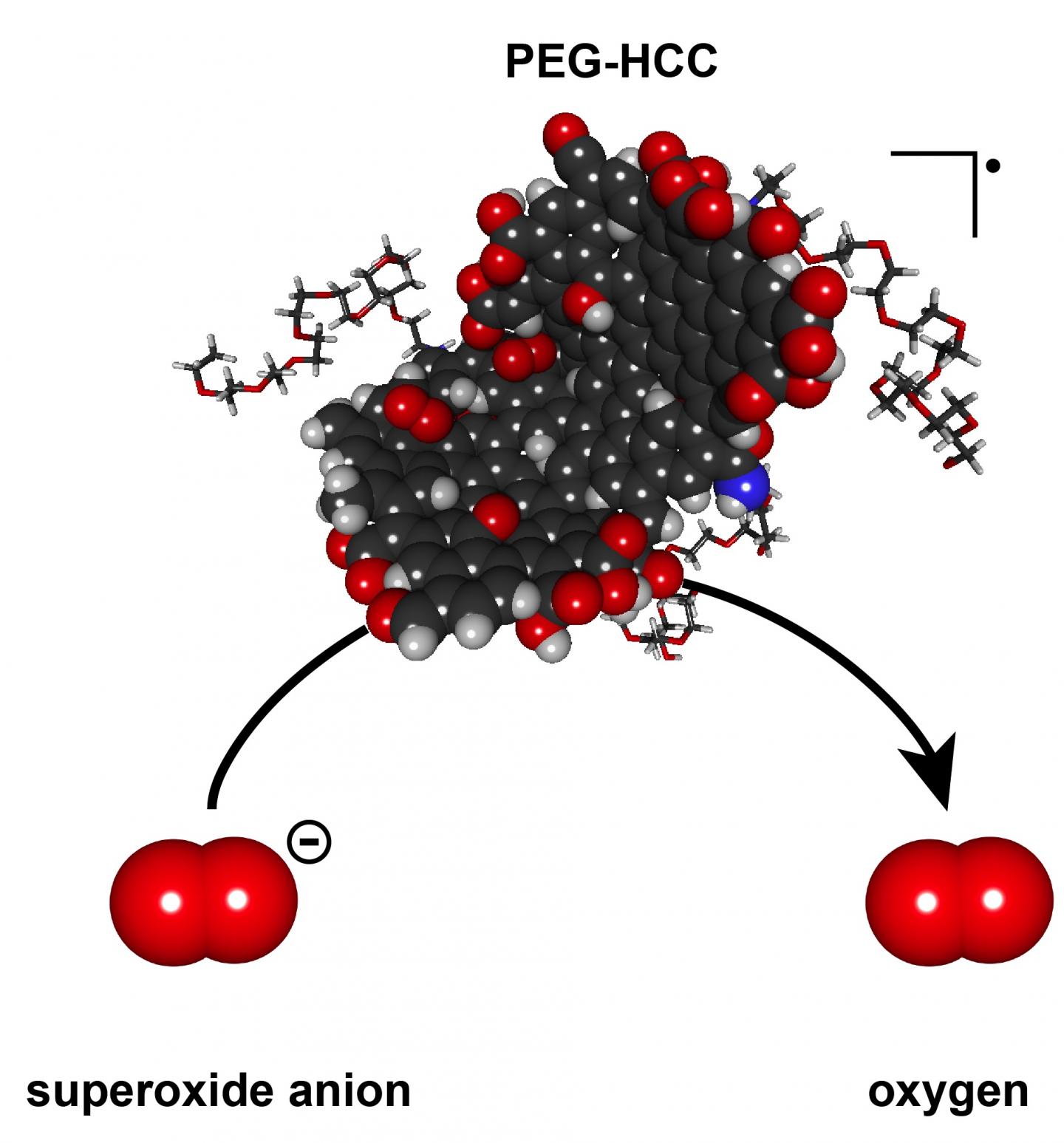
Antioxidants reduce oxidative stress caused by our body's internal energy production, fighting off infection, and repairing damage. Our bodies produce them naturally and they can be obtained less efficiently in food, but with over 200 conditions related to mitochondria, the energy factories in our cells, the future belongs to treatments that can repair damage to them.
If you are insecure or craving attention and need to feel better about yourself, chances are Facebook is your friend, according to surveys done by psychologists.
According to analysis of two surveys of nearly 600 people ages 18-83, people who are generally insecure in their relationships are more actively engaged on the social media site. They are frequently posting on walls, commenting, updating their status or "liking" something in hopes of getting attention. That leads the psychologists to conclude there are two kinds of insecure people who rely on Facebook: people who are higher in attachment anxiety and people who are higher in extraversion.
Because Americans spend more per capita on health care than residents of any country, debate has rumbled on for years about whether all that investment yields sufficient results. Now a newly published study with a distinctive design, led by an MIT health care scholar, shows that increased spending on emergency care does, in fact, produce better outcomes for patients.
"If the question is, 'Do high-spending hospitals get better outcomes for emergency care?' -- we think that they do," says MIT economist Joseph Doyle. "We do find that if you go from a low-spending hospital to a high-spending hospital, you get significantly lower mortality rates."

Spot the biggest star.
Rutherford ObservatoryBy Jillian Scudder, Postdoctoral Research Fellow in Astrophysics at University of Sussex
The universe is such a big place that it is easy to get baffled by the measurements that astronomers make. The size of UY Scuti, possibly one of the largest stars we have observed to date, is certainly baffling.
With Valentine's Day this weekend, we will be treated to articles called things 'the science of kissing', 'the science of love', 'the science of attraction' - you name it and someone in the social sciences is capitalizing on the fuzzy nature of romance to attract some eyeballs.
Love at first sight has long been discussed but is there love at first smell?
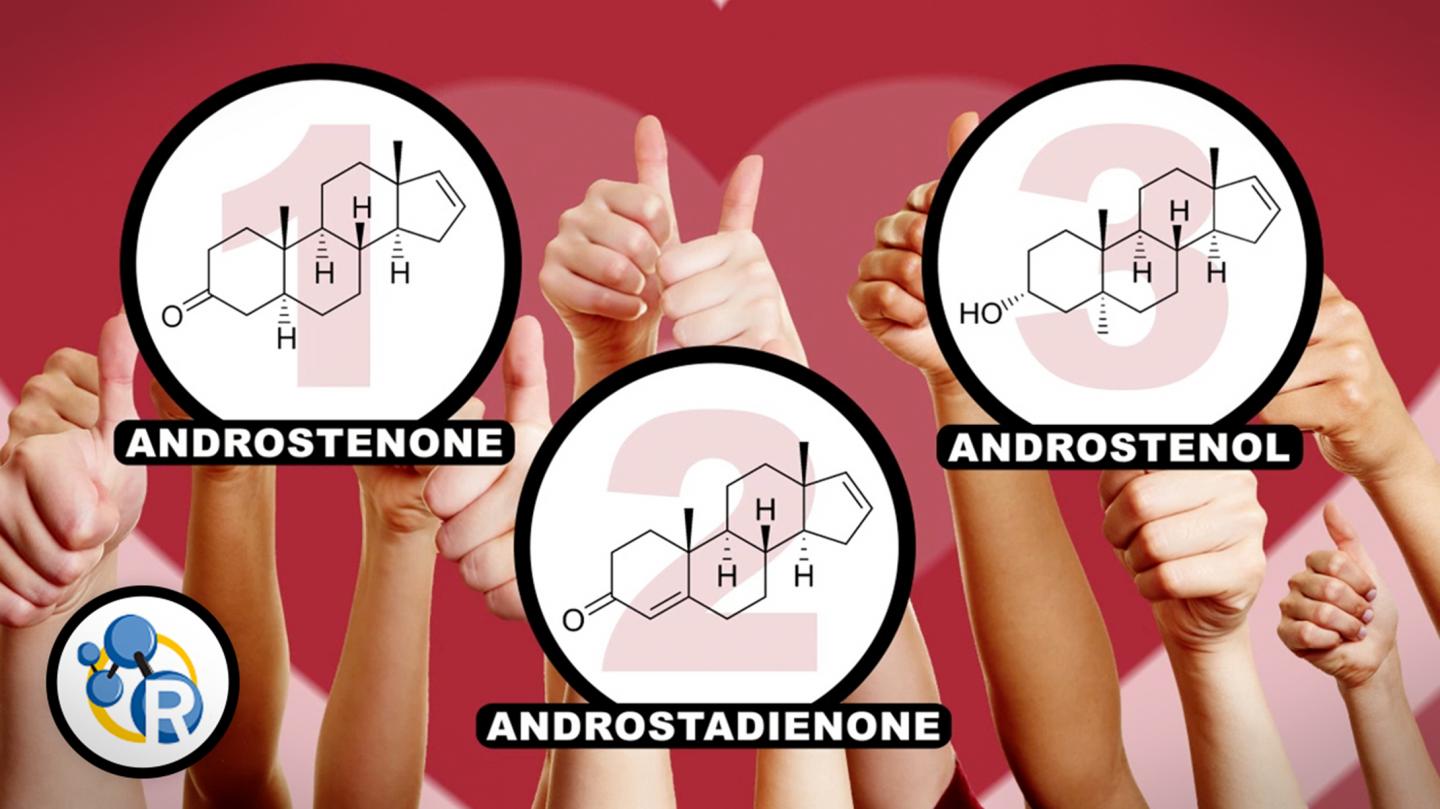 Can you get love in a spray bottle? Kate Upton is going to be around a lot of smelly men this week, if so. Credit: The American Chemical Society
Middle-school children who consume energy drinks are 66% more likely to be at risk for hyperactivity and inattention symptoms, according to results from the Yale School of Public Health, which could have implications for school success and lends support to existing recommendations to limit the amount of sweetened beverages schoolchildren drink.
The authors,
led by professor Jeannette Ickovics, director of Community Alliance for Research and Engagement, recommend that children avoid energy drinks because of high levels of sugar and caffeine.
Skin provides an essential protective barrier against foreign materials and pathogens and helps the body retain various fluids and electrolytes. When that barrier is damaged, the consequences can be devastating. Ulcers, bleeding and bacterial infections may result and the chances of these occurring increases the longer wounds remain open.
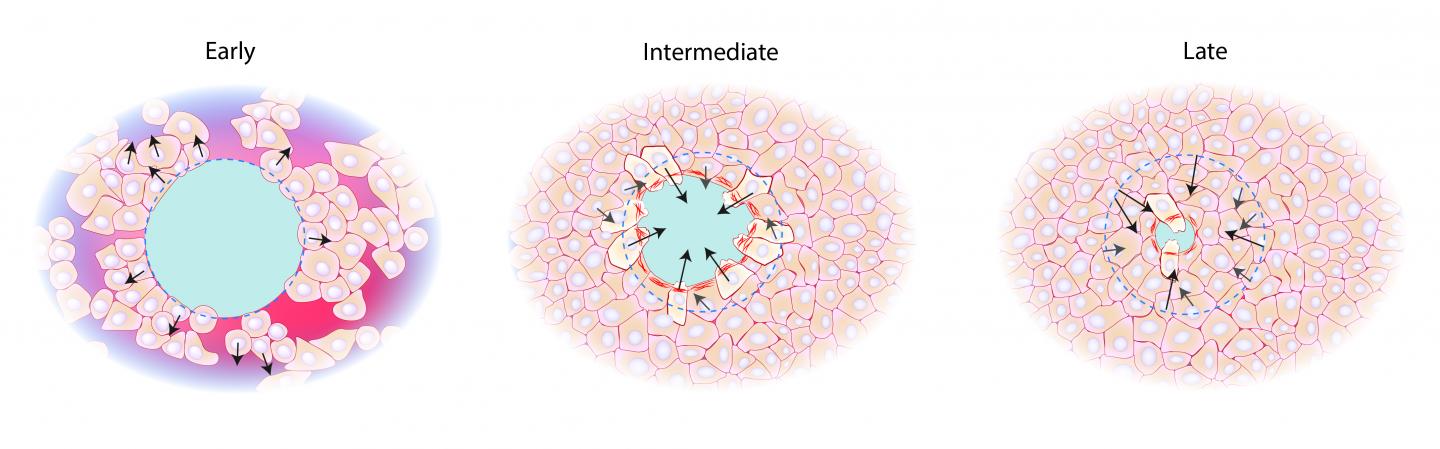
Fortunately, epithelial cell sheets are self-repairing. The moment the integrity of the barrier is compromised, cellular mechanisms are initiated to close the gap. Cells begin crawling forward, and contractile cables are formed in the cells surrounding the wound to help pull the gap closed.
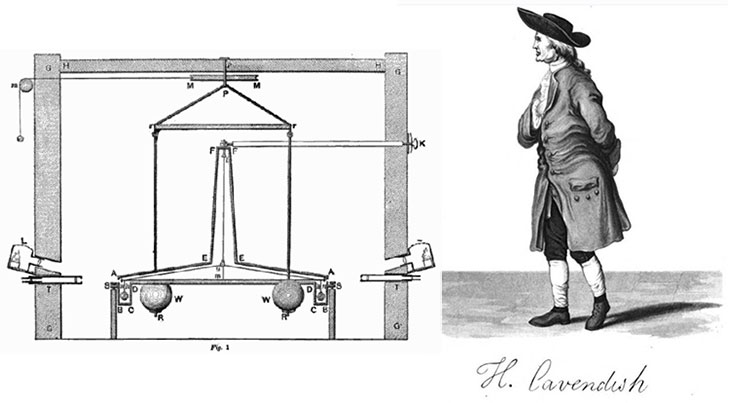
Cavendish torsion balance and Cavendish Signature image via Wikimedia Commons. Composite image by Lalena Lancaster