'Steam douche' advocate Gwyneth Paltrow. More like hot air. Erprofe, CC BY-NC
By Helen King, Professor of Classical Studies at The Open University
Gwyneth Paltrow stirred up an interesting discussion with her latest recommendation for the spa fan: the Mugworth V-Steam. As she put it: “You sit on what is essentially a mini-throne, and a combination of infrared and mugwort steam cleanses your uterus, et al. It is an energetic release …”

There is confusion about whether immolation is permissible under Islamic law. EPA
By Jon Hoover, Associate Professor of Islamic Studies, Faculty of Arts a University of Nottingham
The killing of Jordanian pilot Moaz al-Kasasbeh by Islamic State has been explained as an act of retaliation for the air campaign against it. But there have been many questions about whether immolation is a valid form of punishment in Islamic law – and many Muslim scholars have argued that it is not.
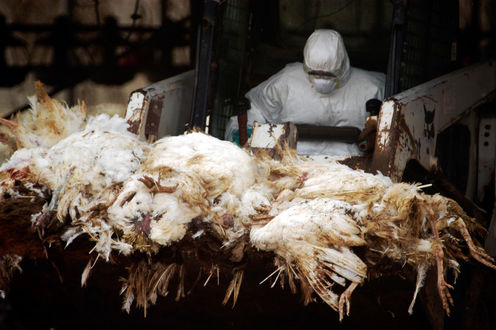
The UK has just recorded its second outbreak of bird flu in less than three months. At the end of November, the relatively new subtype H5N8 – which was first spotted in late 2009 in China and which has since made its way westwards as far as the Netherlands – turned up in Yorkshire.
Tiny biological clocks attached to our chromosomes can't tell us the exact moment of our death, but they can narrow it down. These DNA end caps, called telomeres, are the great predictors of life expectancy: the shorter your telomeres, the shorter your lifespan.
But shorter telomeres also indicate a greater chance for bone marrow failure, liver disease, skin disease and lung disease. Knowing that, scientists have been experimenting with telomeres over the last three decades, trying to figure out ways to extend them and studying mutations within them. Now researchers have found another link to telomeres and lung disease.
Hormonal intrauterine devices (IUDs) and contraceptive implants remain highly effective even one year beyond their approved duration of use, according to a new study.
Now the researchers are evaluating whether such long-acting forms of birth control are effective for up to three years past the length of use under which they were approved by the Food and Drug Administration (FDA). Contraceptive implants - matchstick-sized rods inserted into the arm - are approved for three years while hormonal IUDs are approved for five years.
There've been some recent environmental claims about methane seepage, flaming tapwater, but what were not staged have been due to nature. It's a tale almost as old as earth.
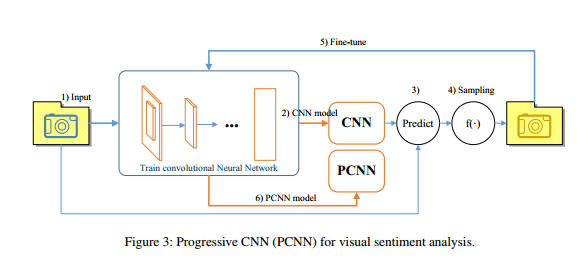
When Twitter began, they wanted to limit to 140 characters to conserve bandwidth. So users ironically (because it led to more bandwidth usage) began circumventing that by using images. Those are worth 1,000 words, according to now=popular wisdom from Frederick R. Barnard in an article in Printer's Ink from 1921.
But how many emotions is that?
A team of US scientists have found "beautifully preserved" 15 million-year-old thin protein sheets in fossil shells from southern Maryland. Their findings are published in the inaugural issue of Geochemical Perspectives Letters, the new peer-reviewed journal of the European Association of Geochemistry.
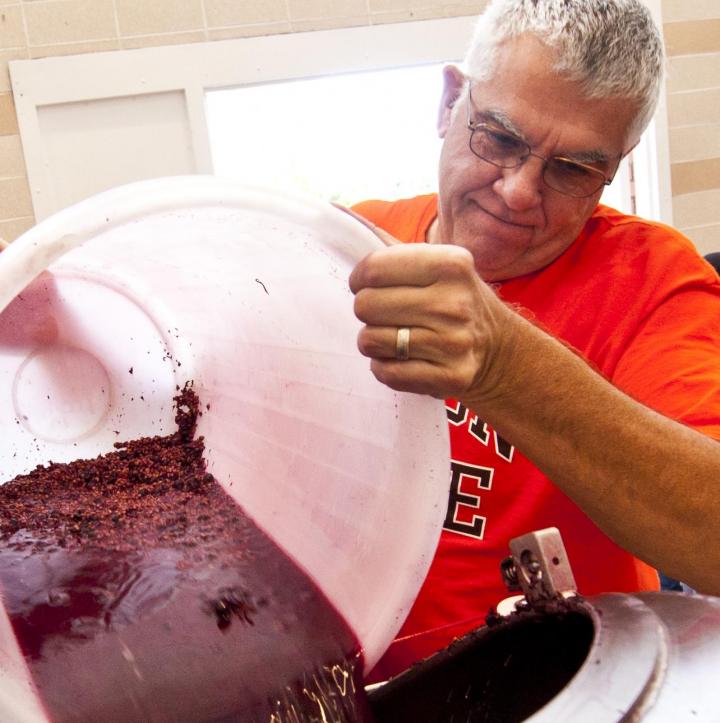
If you need a reason to drink wine, there is more good news from the world of science. A recent study exposed human liver and fat cells grown in the lab to extracts of four natural chemicals found in Muscadine grapes, a dark-red variety native to the southeastern United States.
One of the chemicals, ellagic acid, proved particularly potent: It dramatically slowed the growth of existing fat cells and formation of new ones, and it boosted metabolism of fatty acids in liver cells.
In modern culture, people are taught not to settle. Settling is, of course, subjective and people change so when psychologists are in charge, there are a lot of divorces.
What about when science was in charge? Is it better to settle or hold out for the best mate?
A new evolutionary biology study says that it's better to settle for Mr. Okay than hold out for Mr. Right. And that may be why it is in our nature - traced back to the earliest humans - to take the safe bet when stakes are high, such as whether or not we will mate.