Like sex, Stephen Hawking was and is mainly a cheap way to obtain publicity. They still publish posthumously now to keep it going. The media feast on the occasion of his parting was not enough, sadly also here at Science2.0 by the usual suspects. I refused participation, because there is just nothing good to say, but the “he just dead, you can’t say that”-period has passed now, too. Let’s be scientific: Hawking’s main contribution was sitting in a wheelchair!
There are many different types of human papilloma virus (HPV). Some are associated with the development of cervical lesions that can become cancerous and are considered as high-risk HPV types. Two of these high-risk types (HPV16 and HPV18) account for about 70% all cases of cervical cancer worldwide.
Most people who have sexual contact at some point in their life will be exposed to HPV. In the majority of women, HPV infection will be cleared by the immune system but when the immune system does not clear the virus, persistent HPV infection may lead to abnormal cervical cells which can progress to cervical cancer if left untreated.
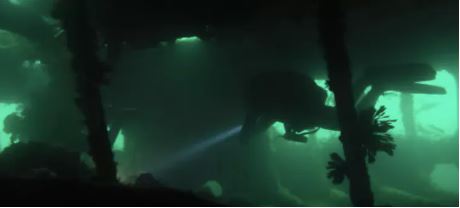
Across the North Atlantic, shipwrecks scatter the seabed like the carcasses of prehistoric creatures. Bygone relics of sea exploration, trade, migration and conflict, these historical monuments are important sites of cultural interest. But they also form the basis of a burgeoning recreational dive tourism industry, and contribute substantially to the biodiversity and abundance of marine life.
In 2015, 4,528 "children" - the mean age was 18, pediatricians presenting at the Pediatric Academic Societies 2018 annual meeting today counted children as anyone under age 21 - died from firearm-related injuries. Eighty-seven percent were male and 44 percent were black. And the pediatricians argue that background checks and thus waiting periods to buy ammunition might help lower those incidents.
This is a debate hosted by the SETI institute between Robert Zubrin, founder and head of the Mars Society, and one of NASA’s former planetary protection officers, John Rummel. They debate the requirements of the Outer Space Treaty of 1967 to protect both Earth and other celestial bodies like Mars from any harmful effects from the exchange of living organisms between the planets on our spacecraft.
Center for Food Safety, a controversial litigation group that has been shown on numerous occasions to be conspiring to manipulate the public about American agriculture, is in the news again. This time for paying former Democratic Congressman, former
race-baiting Cleveland mayor, and current Ohio gubernatorial candidate Dennis Kucinich to promote organic food and products by undermining the competitors of CFS clients.
It sounds gross to humans - unless you read those "Twilight" books in which case maybe it's sexy - but a lot of animals consume blood. That's right, even your cat familiar.
The question is why? Blood is actually a poor source of energy. It consists of 78 percent liquid and what is left is 93 percent proteins and only one percent carbohydrates (1). Blood provides very little in the way of vitamins. Not only that, a blood-based diet exposes animals to blood-borne pathogens.
And yet some bat species (order Chiroptera) feed exclusively on blood and have managed to survive evolution that should have killed them, and their reliance on low-grade nourishment, off.
Many people are addicted to a stimulant. Lawyer-driven groups like Center for Science in the Public Interest have long wanted to sue coffee companies over caffeine but haven't gained much traction despite their efforts to claim it causes things like breast cancer.
If you offer a wealthy elite any fish that is not gathered by depleting the oceans, they will recoil in horror. It is unclear why they recognize that farms are essential for growing vegetables but think farmed fish should only be for the poor.
The science says otherwise. Aquatic farming -- aquaculture -- can help feed the future global population while substantially reducing one of the biggest environmental impacts of protein production -- land use -- without requiring people to entirely abandon protein as a food source.
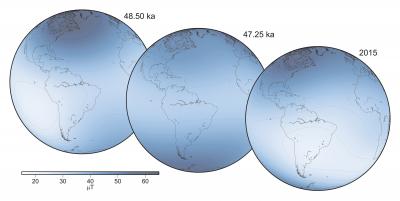
The South Atlantic Anomaly has people concerned, but if Earth's magnetic field of the past is any indication, and it is, the anomaly is not a precursor of a switching of the poles.
What is the South Atlantic Anomaly?