
Lisa Pratt, the new planetary protection officer for NASA takes up her job at a challenging time for astrobiology. We are approaching a major decision point for Mars. If Elon Musk succeeds in his ambitious plans, then some time in the next couple of decades we may introduce trillions of hardy microbial spores to the planet. Not deliberately, but just because we can't help but take them with us wherever we go.

Lisa Pratt, the new planetary protection officer for NASA takes up her job at a challenging time for astrobiology. We are approaching a major decision point for Mars. If Elon Musk succeeds in his ambitious plans, then some time in the next couple of decades we may introduce trillions of hardy microbial spores to the planet. Not deliberately, but just because we can't help but take them with us wherever we go. This is a major quandary for astrobiology. But not just for astrobiologists. 

I think almost anyone would be saddened if we had this headline news story in the 2030s:

Large amounts of ink (well, electrons) have been spilt over the web in the past few months to discuss the #MeToo movement. It seems this blog will eventually join the crowd, although a bit belatedly, and with a slightly different viewing angle. 
After keeping silent on the matter, I am stimulated to discuss it after a BuzzFeed article exposed several cases of alleged sexual harassment and related inappropriate behavior by world-class cosmologist-cum-science-pop-guy-cum-skeptic Lawrence Krauss. Plus, yesterday was international women's day, and I never miss a chance to miss a deadline.

Well, to everyone’s surprise, it seems that Trump and Kim are going to meet. So this is no longer a hypothetical question. (This originates as my answer on Quora to: What would happen if Kim Jong Un and Donald Trump could meet and talk to resolve the tension over North Korea?)

So first, this is good news. Whatever comes of it, it's major progress that

Titan might seem an unlikely place to for humans to build settlements, and maybe eventually colonize. After all, it is so far from the sun, and extraordinarily cold, and it's a long journey to get there (at present). But actually, if you set aside the difficulty of getting there, which we should overcome as our technology improves - it's got more going for it than you might think. This is an idea originally developed in some detail by Charles Wohlforth and Amanda Hendrix, authors of Beyond Earth: Our Path to a New Home in the Planets

I’ve had several PM’s and we’ve had comments by scared people in our Doomsday Debunked Facebook group who have read alarmist stories suggesting that Putin threatens to attack the US. If you have read these stories, it is worth listening to his actual speech to get the Russian perspective on it. It could hardly be more different. He presents it as, in his view, the only way to preserve peace.

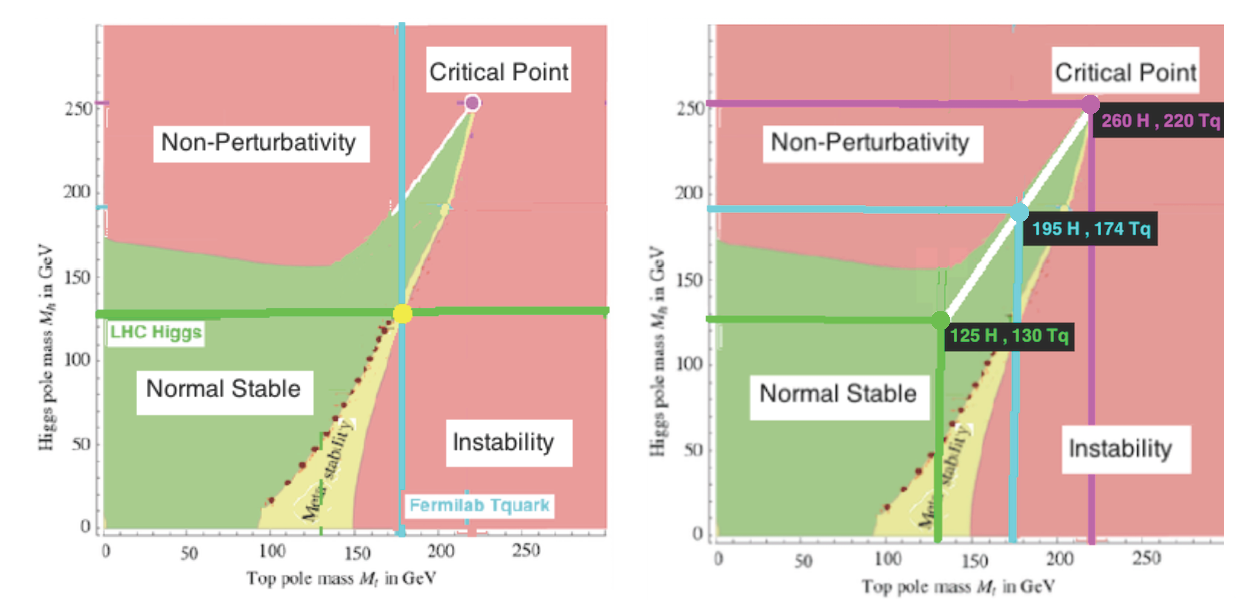
Statistical hypothesis testing is quite boring if you apply it to cases where you know the answer, or where the data speak loud and clear about one hypothesis being true or false. Life at the interface between testability and untestability is much more fun.

I think we should build our first offworld backup on the Moon. We can start by storing seeds there, similar to the Svalbard seed vault in Norway. Within a few years we should have easy access to the Moon, and then it will be easy to do. The lunar caves are naturally at the right temperature. Add a vacuum sealed packet of dried seeds to a rover that explores a suitable lunar cave, and leave it there at the end of the mission, inside the rover, and that's it.That's the start of a future seed vault. From small beginnings ... 

Elon Musk says there are two futures, to stay on Earth and eventually go extinct, or to become a "multi-planetary species". He says Mars is our "plan B". But there is a third possibility.


