

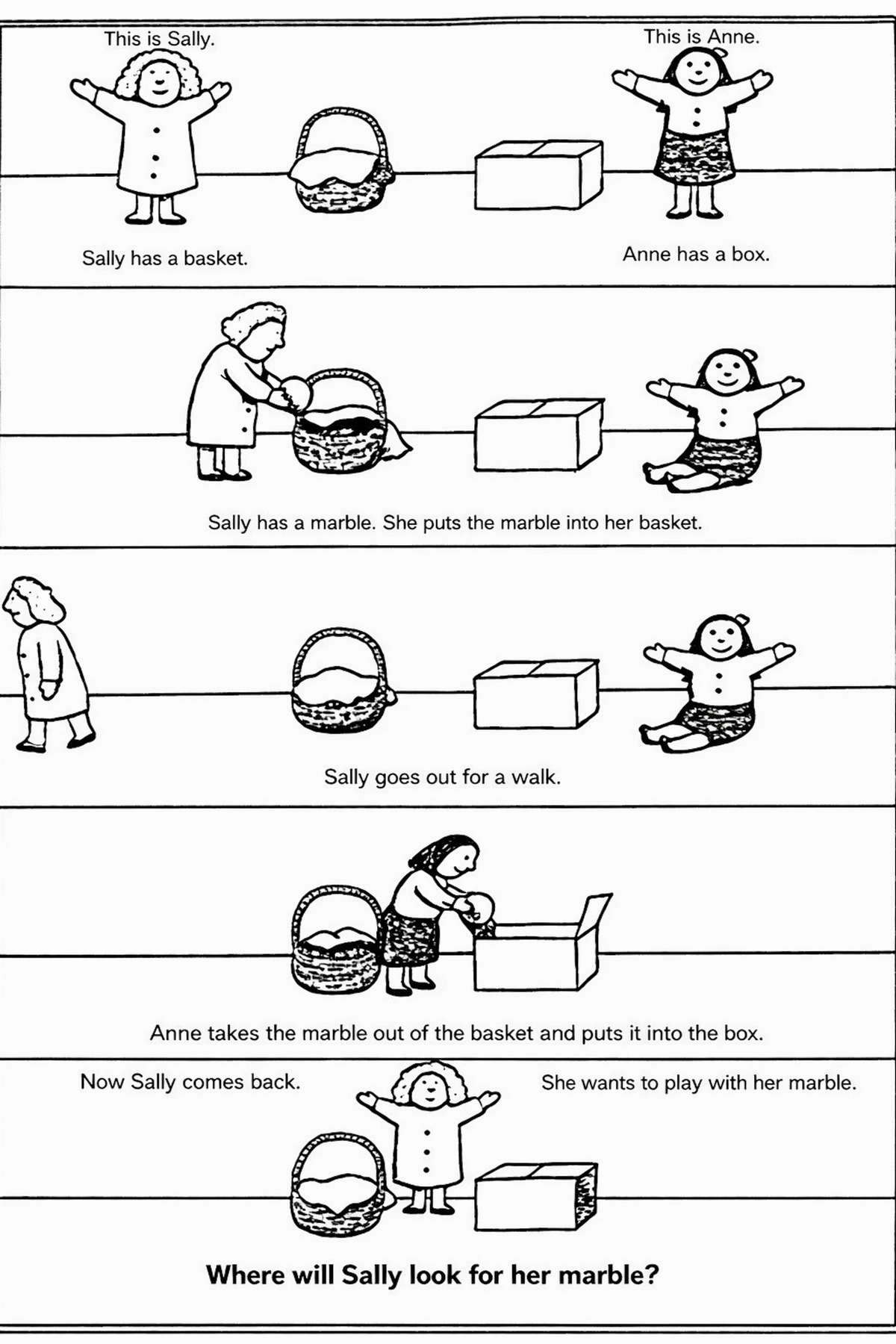
 Theory Of Mind Is Wrong About Autistic People
For four decades, a controversial idea has shaped how autism is understood by researchers, healthcare...
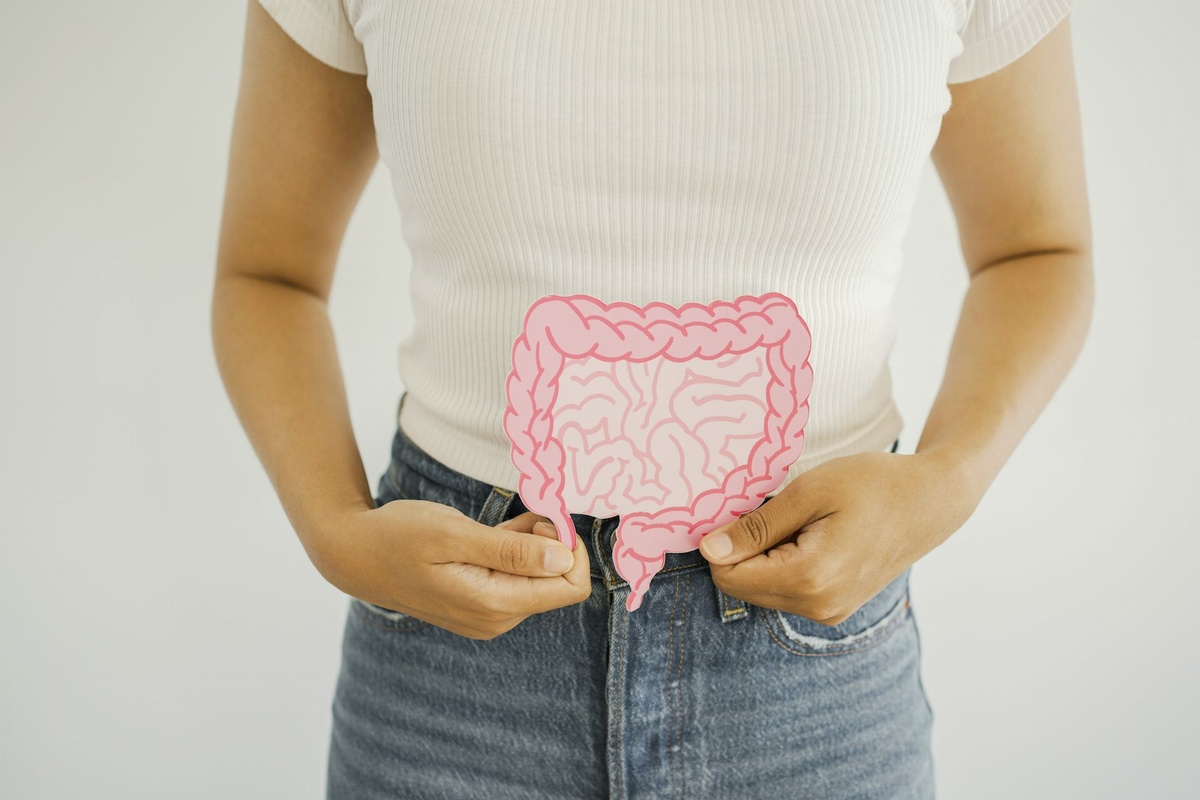 Bacteroides Fragilis May Be A Fifth Columnist Helping Colon Cancer In Your Body
The gut bacterium Bacteroides fragilis has long presented researchers with a paradox. It has been...
 Losing Weight Improves The Heartbreak Of Psoriasis For Some
For many people living with psoriasis, the red, scaly skin patches are only part of the story....
 Healthcare In Space - The First Medical Evacuation From The ISS
For the first time in 25 years of continuous crewed operations, an astronaut has been medically...

|
The Conversation The Conversation is an independent source of news and views, funded by the academic and research community and delivered direct to the public. The Conversation launched in Australia in March 2011.... Read More » |
Blogroll |
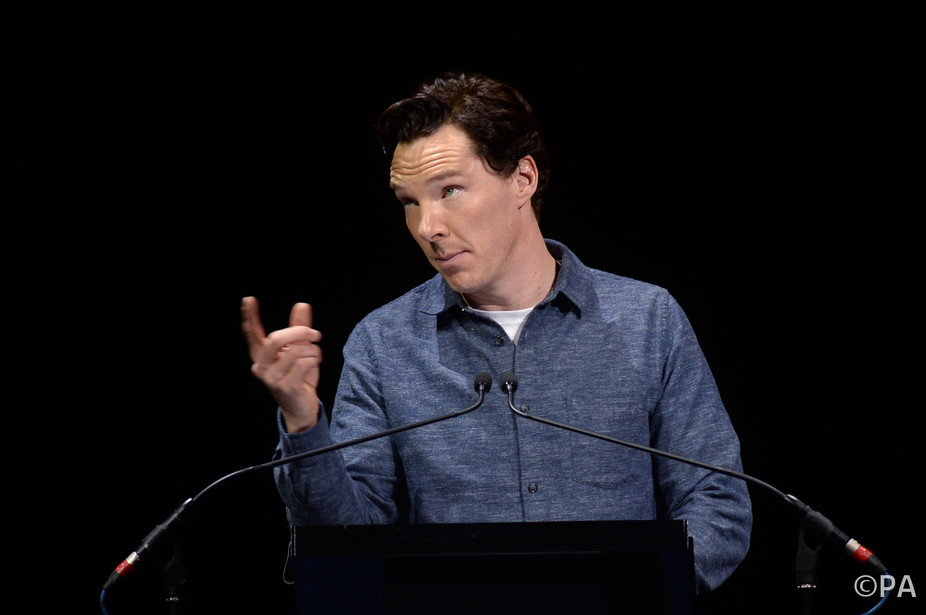
 Veteran foreign correspondent and broadcaster Michael Buerk is getting tired of “bleeding heart” celebrities.


 Passing on our genes to the next generation is the key process in evolution that happens through natural selection. So why do women suddenly stop having periods when they have at least a third of their lives left to live? It makes no sense, which is why it has been called a “Darwinian puzzle” – an aspect of biology that appears to be at odds with natural selection.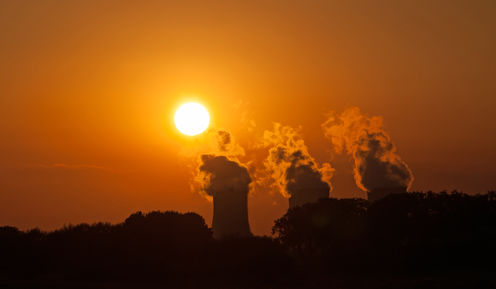
 Last year, 6 million tons of “wood pellets” harvested from forests in Louisiana, Georgia, Florida, Alabama and Virginia were shipped across the Atlantic, to be burnt in renewable “biomass” power plants.
