

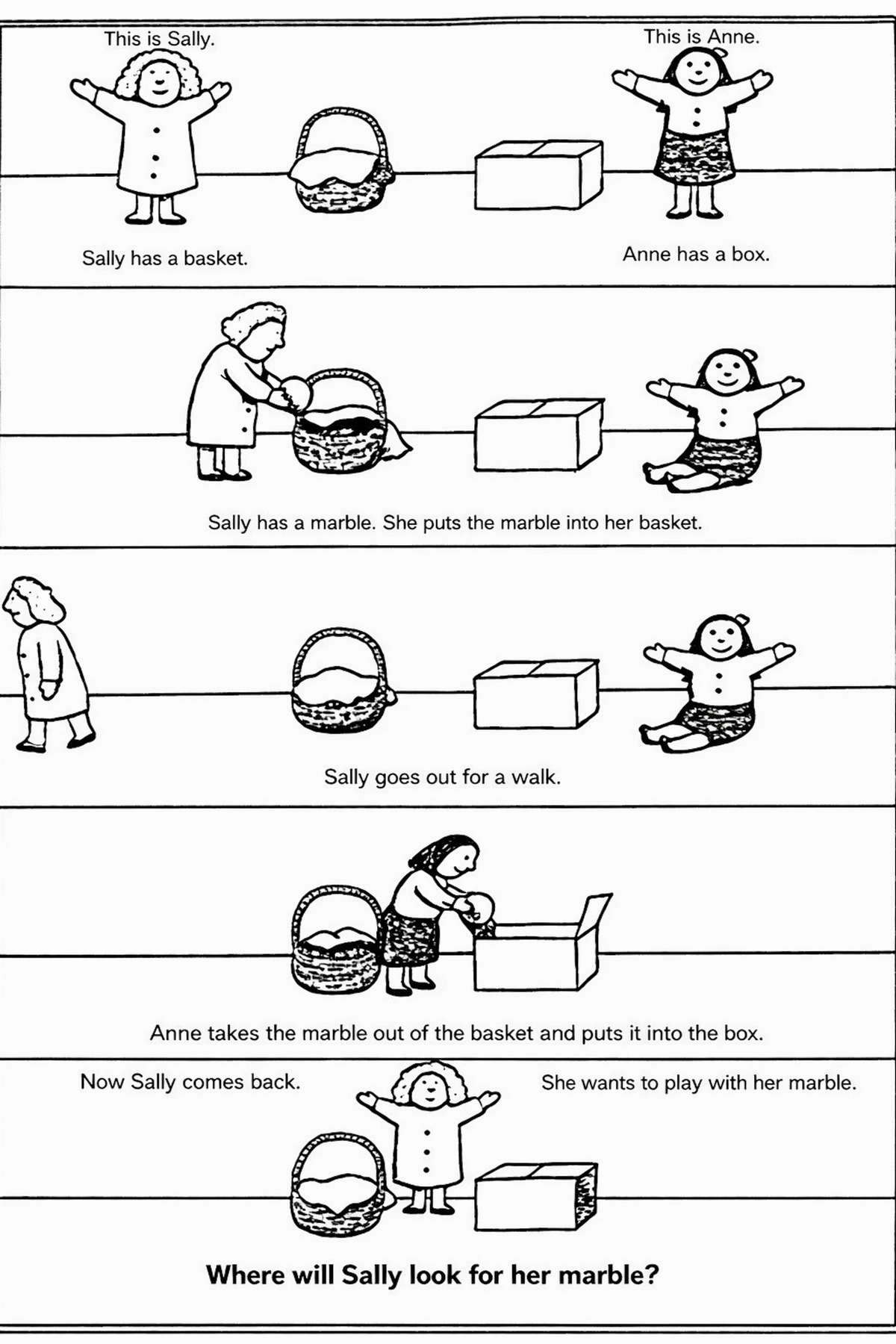
 Theory Of Mind Is Wrong About Autistic People
For four decades, a controversial idea has shaped how autism is understood by researchers, healthcare...
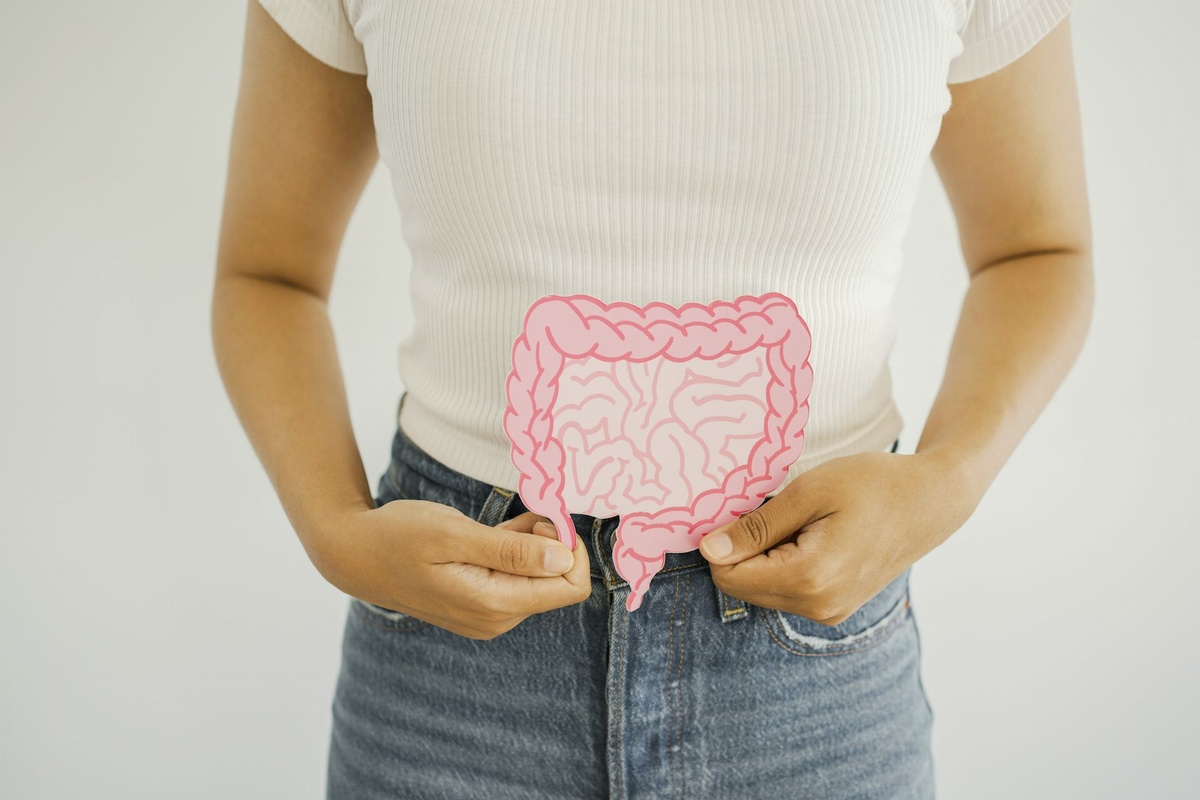 Bacteroides Fragilis May Be A Fifth Columnist Helping Colon Cancer In Your Body
The gut bacterium Bacteroides fragilis has long presented researchers with a paradox. It has been...
 Losing Weight Improves The Heartbreak Of Psoriasis For Some
For many people living with psoriasis, the red, scaly skin patches are only part of the story....
 Healthcare In Space - The First Medical Evacuation From The ISS
For the first time in 25 years of continuous crewed operations, an astronaut has been medically...

|
The Conversation The Conversation is an independent source of news and views, funded by the academic and research community and delivered direct to the public. The Conversation launched in Australia in March 2011.... Read More » |
Blogroll |

 Everyone loves D, the sunshine vitamin. Doctors, patients and the media have been enamored with vitamin D supplements for decades. As well as their clear benefit in curing severe vitamin D deficiencies, endless headlines hail their magical ability to reduce a vast range of conditions from dementia to cancer.



 Thousands of bright-eyed and bushy-tailed students recently found out whether they had been accepted into Australian medical schools.

 The return of The X-Files to television screens after a 14-year absence was met with justifiable excitement and trepidation. It was an important show, combining Twilight Zone-style fantasy with humor, drama and emotion.
