Fake Banner
Theory Of Mind Is Wrong About Autistic People

For four decades, a controversial idea has shaped how autism is understood by researchers, healthcare...

Bacteroides Fragilis May Be A Fifth Columnist Helping Colon Cancer In Your Body

The gut bacterium Bacteroides fragilis has long presented researchers with a paradox. It has been...

Losing Weight Improves The Heartbreak Of Psoriasis For Some

For many people living with psoriasis, the red, scaly skin patches are only part of the story....
Healthcare In Space - The First Medical Evacuation From The ISS

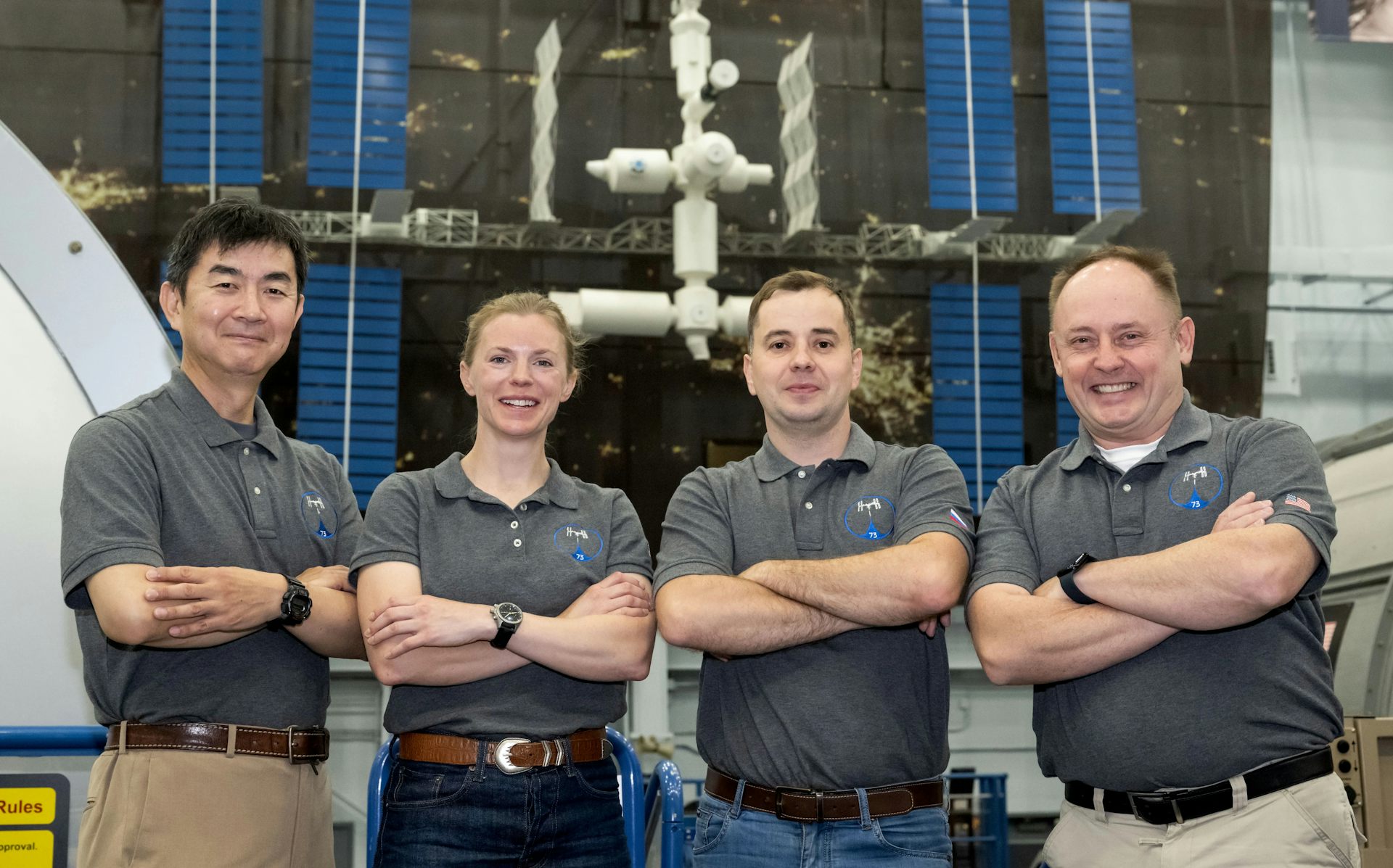
For the first time in 25 years of continuous crewed operations, an astronaut has been medically...

User picture.
The ConversationRSS Feed of this column.

The Conversation is an independent source of news and views, funded by the academic and research community and delivered direct to the public. The Conversation launched in Australia in March 2011.... Read More »

Blogroll

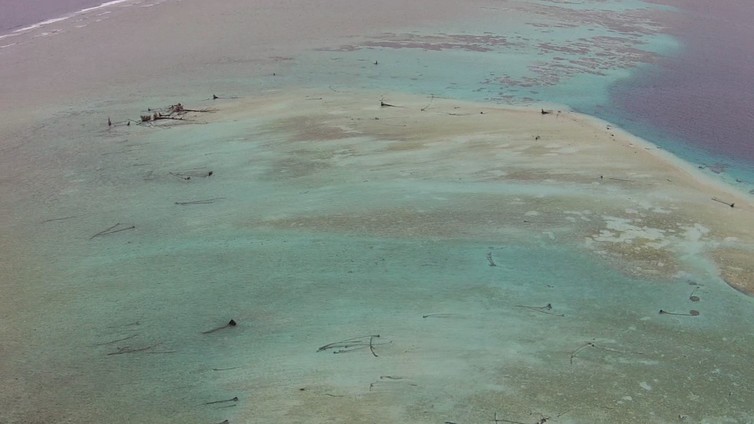
Sea-level rise, erosion and coastal flooding are some of the greatest challenges facing humanity from climate change.

Recently at least five reef islands in the remote Solomon Islands have been lost completely to sea-level rise and coastal erosion, and a further six islands have been severely eroded.

These islands lost to the sea range in size from one to five hectares. They supported dense tropical vegetation that was at least 300 years old. Nuatambu Island, home to 25 families, has lost more than half of its habitable area, with 11 houses washed into the sea since 2011.

Pregnancy sounds like the ultimate form of animal cooperation – mothers share their own bodies to grow and support their children’s prenatal development. But in reality, embryos use every trick in the book to take more than their fair share. Mothers, in turn, marshal their best defensive tactics.

Ultimately, it’s an evolutionary arms race. Offspring continually evolve strategies to steal resources, while mothers evolve strategies to defend their resources. Natural selection will favor embryos that are able to steal resources, but this will impose costs on the mother.

As anyone who has visited the London Science Museum’s current exhibition will know, Leonardo da Vinci is famed as an artist, mathematician, inventor, writer … the list goes on.

He was a figure who did not see disciplines as a checkerboard of independent black and white tiles, but a vibrant palette of color ready to be combined harmoniously and gracefully.

Today, the polymath may seem like a relic of the past.

People are fascinated by the unknown, by the possibility that there are things out there that are yet to be discovered.

We think that most of our planet has been mapped by satellites and continents have been thoroughly explored. Although scientists estimate that millions of species are yet to be discovered, these are mostly assumed to be very small animals, especially invertebrates.

Long gone are the days of famous explorers, when the borders of uncharted lands were marked with warnings such as “here be dragons”. And yet, many of us, still hope that some amazing, unexpected creatures may be hiding somewhere.

A lost Nazi gold train was discovered in Poland. At least, that’s what a couple of treasure hunters told the world last year. Like all lost treasures, the search for this one had been going on for many years, usually without success.
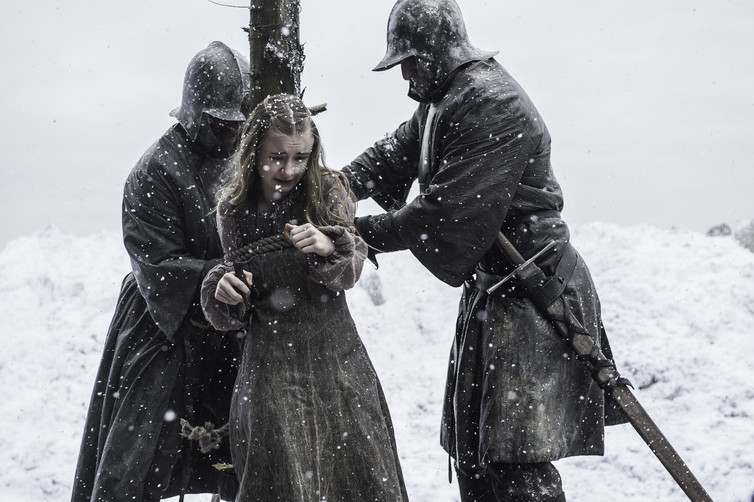
Every "Game of Thrones" season premiere needs its shock reveal – and season six is no different. As the name of the episode – The Red Woman – hints, this one pertains to red priestess Melisandre, to whom, it turns out, there’s much more than meets the eye (don’t worry, no spoilers ensue). Even in a series known for its complex characters and even more complicated morality, Melisandre and her motives remain surprisingly opaque. And it looks as if her story’s only just getting started.