

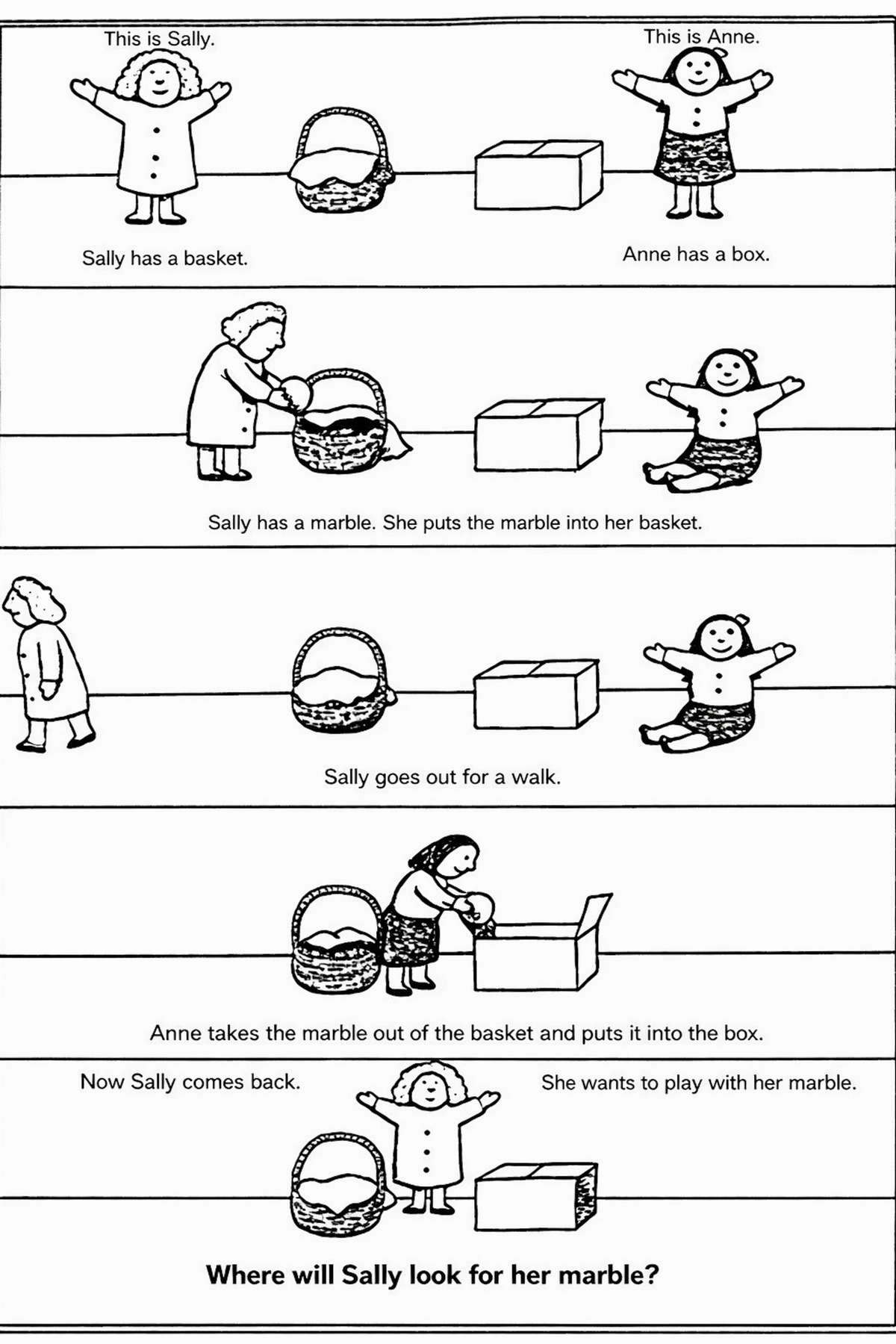
 Theory Of Mind Is Wrong About Autistic People
For four decades, a controversial idea has shaped how autism is understood by researchers, healthcare...
 Bacteroides Fragilis May Be A Fifth Columnist Helping Colon Cancer In Your Body
The gut bacterium Bacteroides fragilis has long presented researchers with a paradox. It has been...
 Losing Weight Improves The Heartbreak Of Psoriasis For Some
For many people living with psoriasis, the red, scaly skin patches are only part of the story....
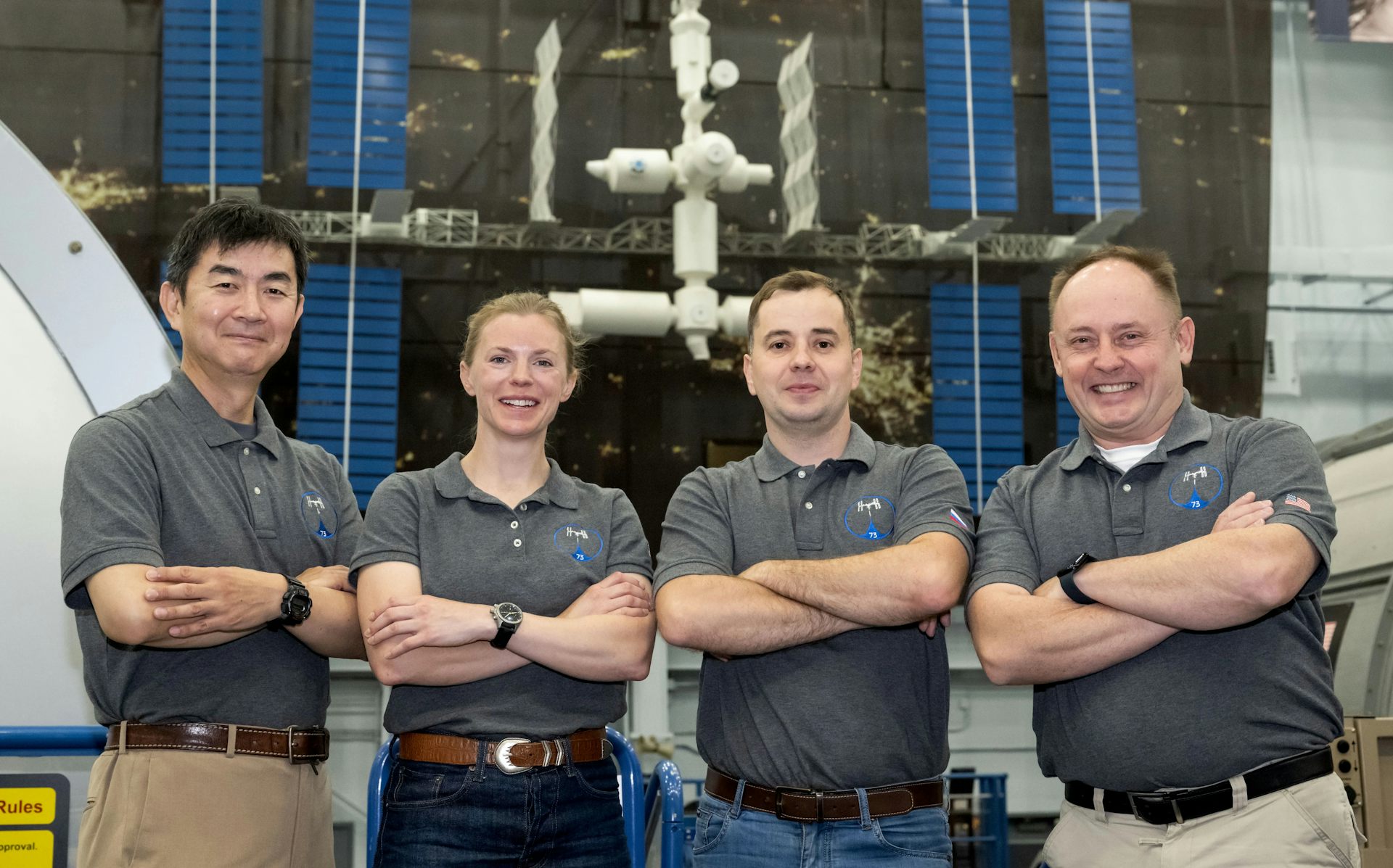 Healthcare In Space - The First Medical Evacuation From The ISS
For the first time in 25 years of continuous crewed operations, an astronaut has been medically...

|
The Conversation The Conversation is an independent source of news and views, funded by the academic and research community and delivered direct to the public. The Conversation launched in Australia in March 2011.... Read More » |
Blogroll |
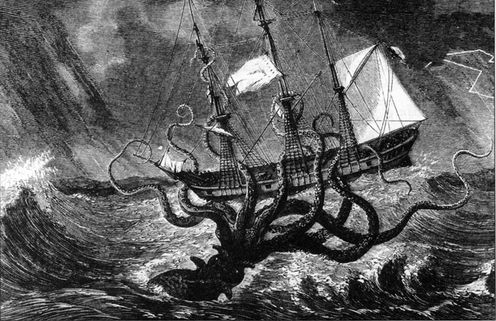
 The Kraken is perhaps the largest monster ever imagined by mankind. In Nordic folklore, it was said to haunt the seas from Norway through Iceland and all the way to Greenland.
 It has been a busy year for Solar System exploration – and particularly our galactic neighborhoods small icy bodies. Comets, asteroids,

 Well, it’s that time of year again – and there it is; just four words into an article on Christmas I’ve used the word ‘time.’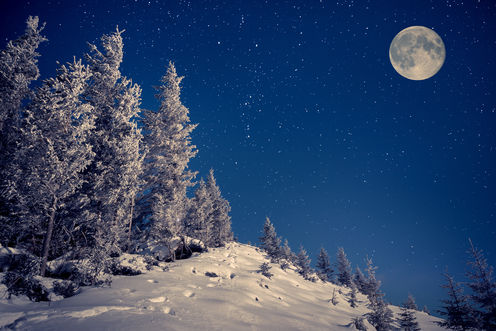
 Walk into any public square or shopping mall at this time of year and an encounter with a traditional Christmas carol is well-nigh unavoidable.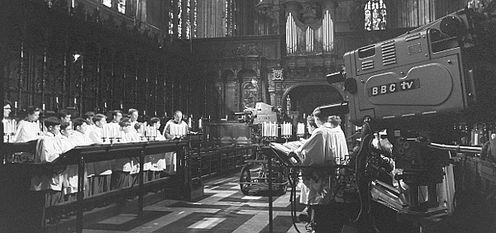
 At 3 pm on Christmas Eve, millions of radios around the world will be tuned to the Festival of Nine Lessons and Carols from King’s College Chapel in Cambridge in time to hear the pure voice of a single boy chorister singing one of the hardest solos of the church calendar, the first verse of “Once in Royal David’s City”.
