





 We know that everyone has influences and inspirations and collaborations, but they often go unmentioned. How do classical music composers collaborate with and influence one another?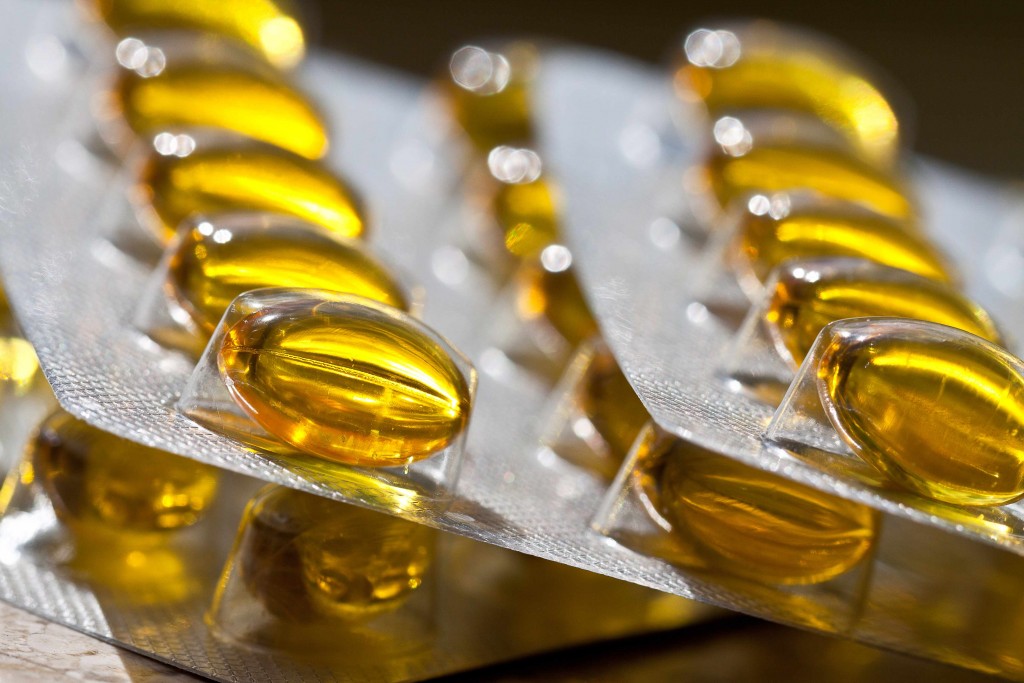
 The big concern about the latest Vitamin D fad is the potential for toxicity.
 Coffee has been enjoying a health resurgence. It was once considered a bad thing because of caffeine but now it is


 Top image:
Know Science And Want To Write?
Apply for a column: writing@science20.com
Donate or Buy SWAG
Please donate so science experts can write
for the public.
At Science 2.0, scientists are the journalists,
with no political bias or editorial control. We
can't do it alone so please make a difference.
We are a nonprofit science journalism
group operating under Section 501(c)(3)
of the Internal Revenue Code that's
educated over 300 million people.
You can help with a tax-deductible
donation today and 100 percent of your
gift will go toward our programs,
no salaries or offices.

Interesting insights from outside Science 2.0
