Fake Banner
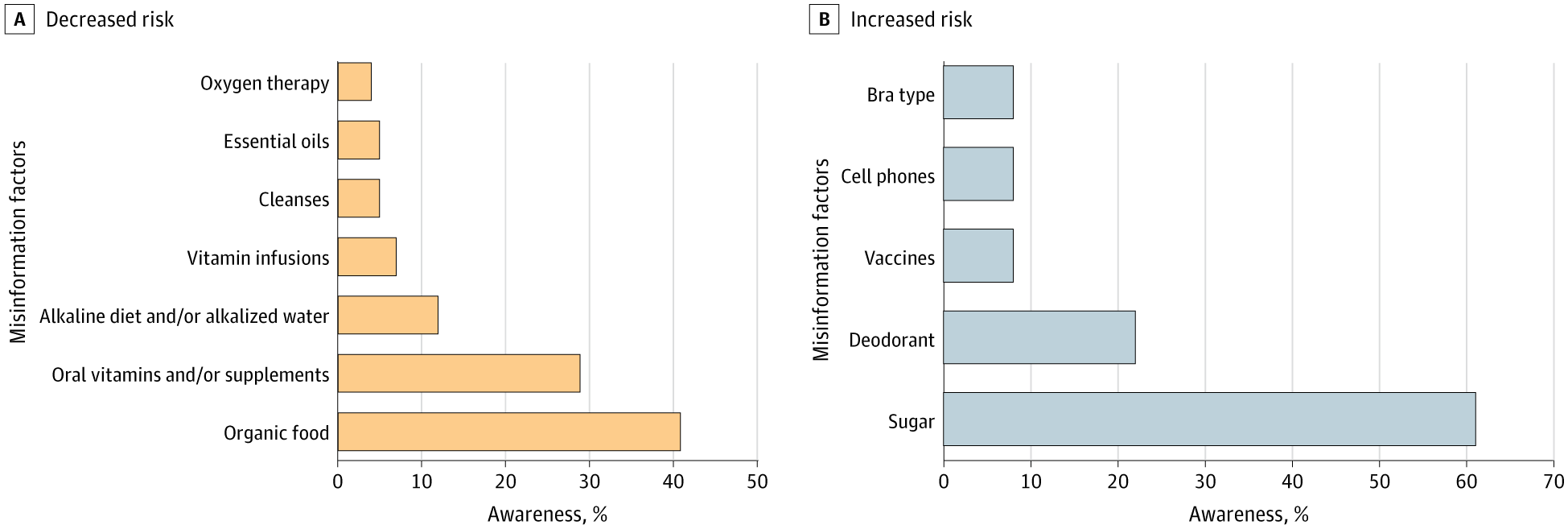
Misinformation Common Among Women With Breast Cancer

Vaccines are getting American media attention now that Republicans are engaging in misinformation...
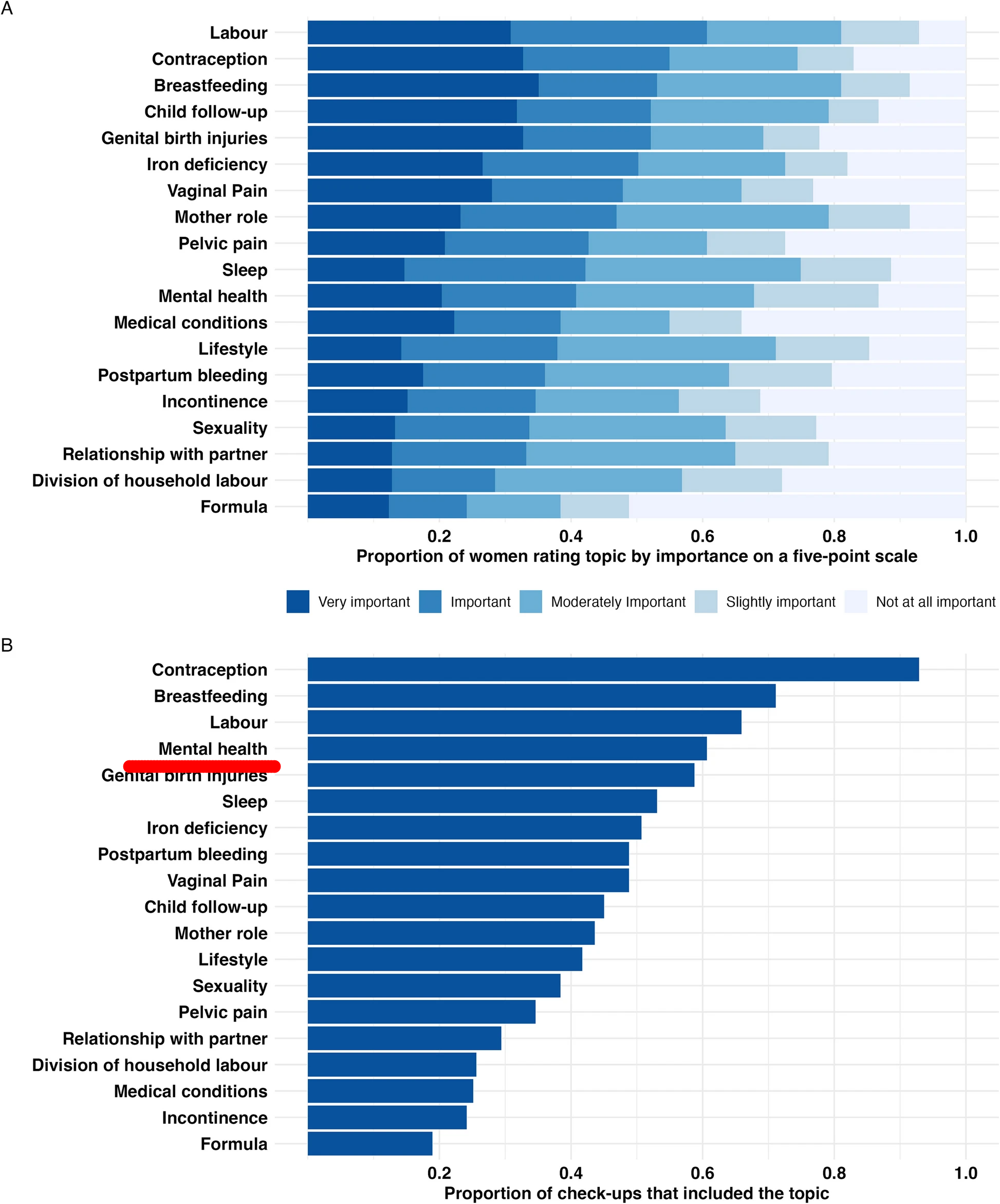
Even With Universal Health Care, Mothers Don't Go To Postnatal Check-Ups

For decades, health care costs have been a political topic in America. Advocates argue it is the...

Happy Twelfth Night - Or Divorce Day, Depending On How Your 2026 Is Going

Today is, in Christian observance, Twelfth Night, the end of The 12 Days of Christmas in that song...

Blood Pressure Medication Adherence May Not Be Cost, It May Be Annoyance At Defensive Medicine

High blood pressure is an important risk factor for developing cardiovascular disease and premature...

User picture.
picture for Tommaso Dorigopicture for Fred Phillipspicture for Hontas Farmerpicture for picture for Patrick Lockerbypicture for Ilias Tyrovolas
Hank CampbellRSS Feed of this column.

I founded Science 2.0® in 2006 and since then it has become the world's largest independent science communications site, with over 300,000,000 direct readers and reach approaching one billion. Read More »

Blogroll
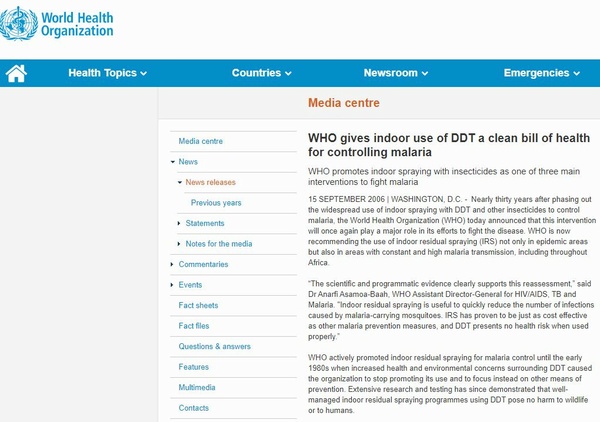
Scientists have written a paper talking about how they "rediscovered" a pesticide that had never really been forgotten but had been ignored because it was created during the Nazi regime and really expensive; DFDT, a chemical relative of DDT. German scientists called it "Fluorgesarol"(1) and "Gix." DDT is dichlorodiphenyltrichloroethane and DFDT replaces the chlorine atoms with fluorine so it's difluorodiphenyltrichloroethane.(2)
When papers came out stating that cutting back on red meat didn't make any difference in your real risk of getting cancer, because a normal diet did not cause any more cancer, it came under fire by critics who had spent an alarming chunk of their careers criticizing modern diets.
Once upon a time a food company spent years in court defending itself against a government lawsuit about a marketing claim on their package that looked misleading. 

The U.S. Federal Trade Commission told Kraft they could not advertise that their cheese "singles" contained 5 ounces of milk because of the implication the cheese might have as much calcium as 5 ounces of milk when, in fact, they really only had as much calcium as 3.5 ounces of milk.  Sounds trvial, right? Not at a time when the  FTC and FDA defended the public from even subtle marketing deceptions.

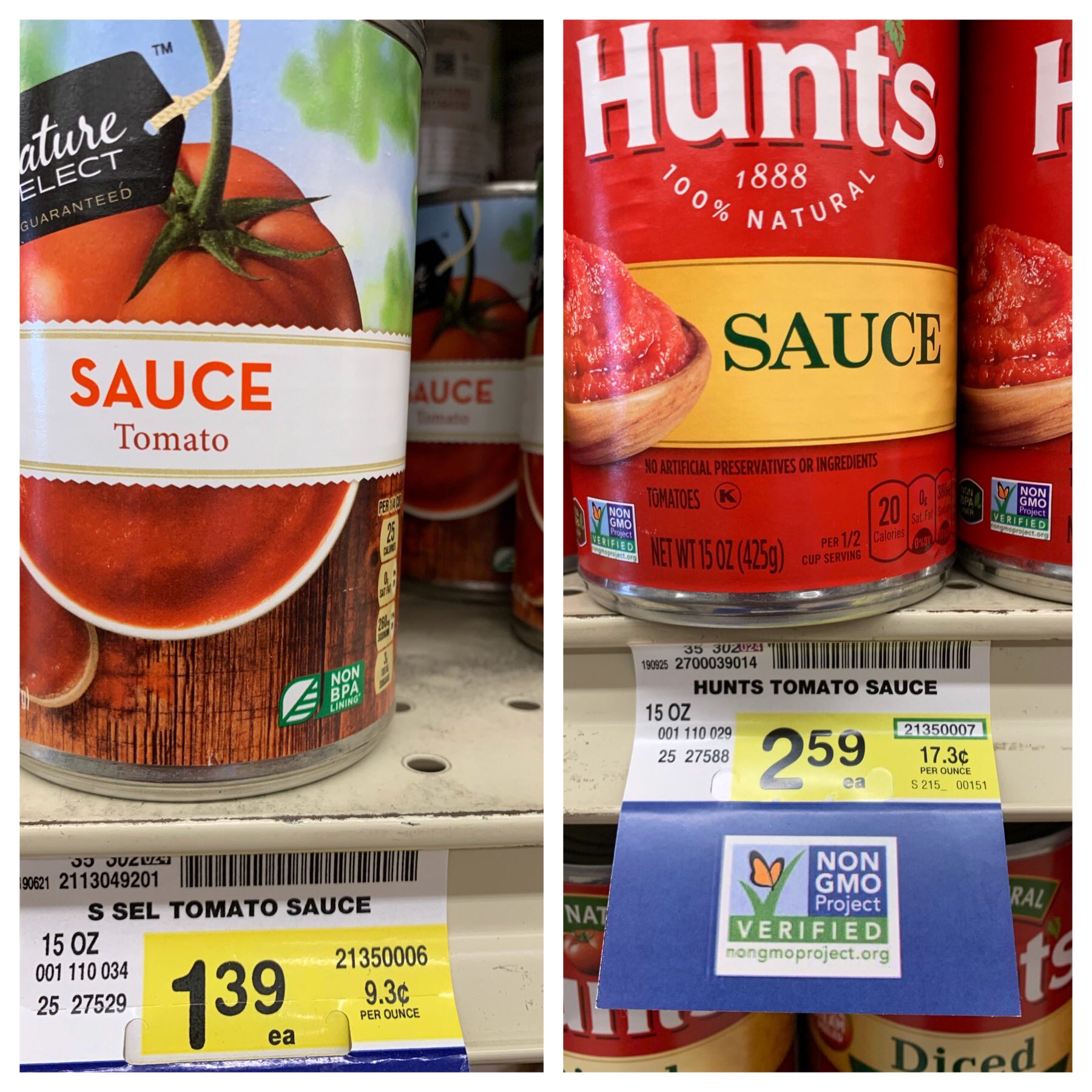
Fast forward to today, when plant juice calls itself milk and Non-GMO Project sells a non-GMO rock salt to a consumer base that does not know that in salt, there is no O for a G to M.
A new review of other papers claims that unless women stopped drinking alcohol a year prior to conception they probably gave their kids future congenital heart disease.

The authors are not kidding. And binge drinking was correlated to 52 percent higher birth defects for males.  

The confounders are obvious, as they are for any exploratory paper: drinking was self-reported, congenital heart diseases are the most common birth defects, and the authors hand-selected studies that affirmed their hypothesis.
The organic food industry, even large players like Whole Foods, created a disturbing trend; lying to customers about whether or not organic food uses pesticides or chemicals.

In reality, organic food is covered in pesticides. If they were not, instead of only being an average of 13 percent more expensive than regular food (thanks to Amazon squeezing efficiency, it was 20 percent and higher when Whole Foods was a separate company) it would be 80 percent. Pests and other natural blights would devastate their crops.
A few years ago, France's International Agency for Research on Cancer, a United Nations body with a checkered scientific and ethical history, used statistics to suggest that red meat was bad for health.

It was easy. All they had to do was gather together studies that used rows of foods to meet columns of diseases and create a statistical link. Since they didn't have to do any actual science, they were able to declare that bacon was just as dangerous as plutonium or World War I mustard gas.

To IARC, it's safer to drink glyphosate than to eat a hot dog