Fake Banner
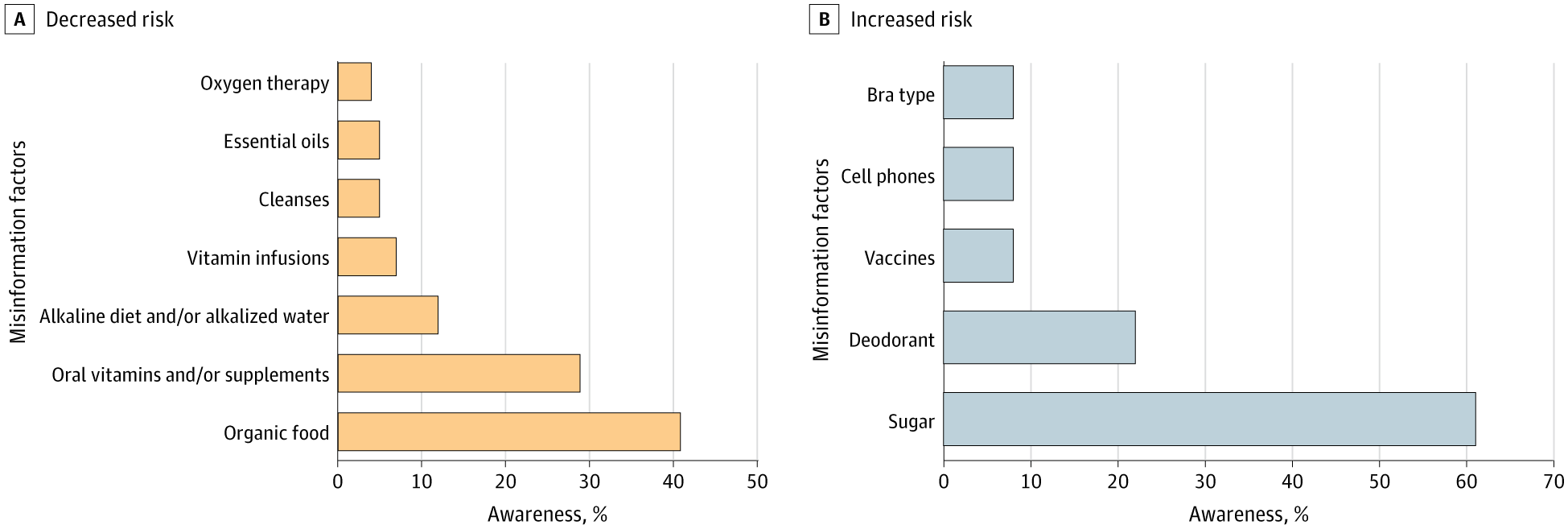
Misinformation Common Among Women With Breast Cancer

Vaccines are getting American media attention now that Republicans are engaging in misinformation...
Even With Universal Health Care, Mothers Don't Go To Postnatal Check-Ups

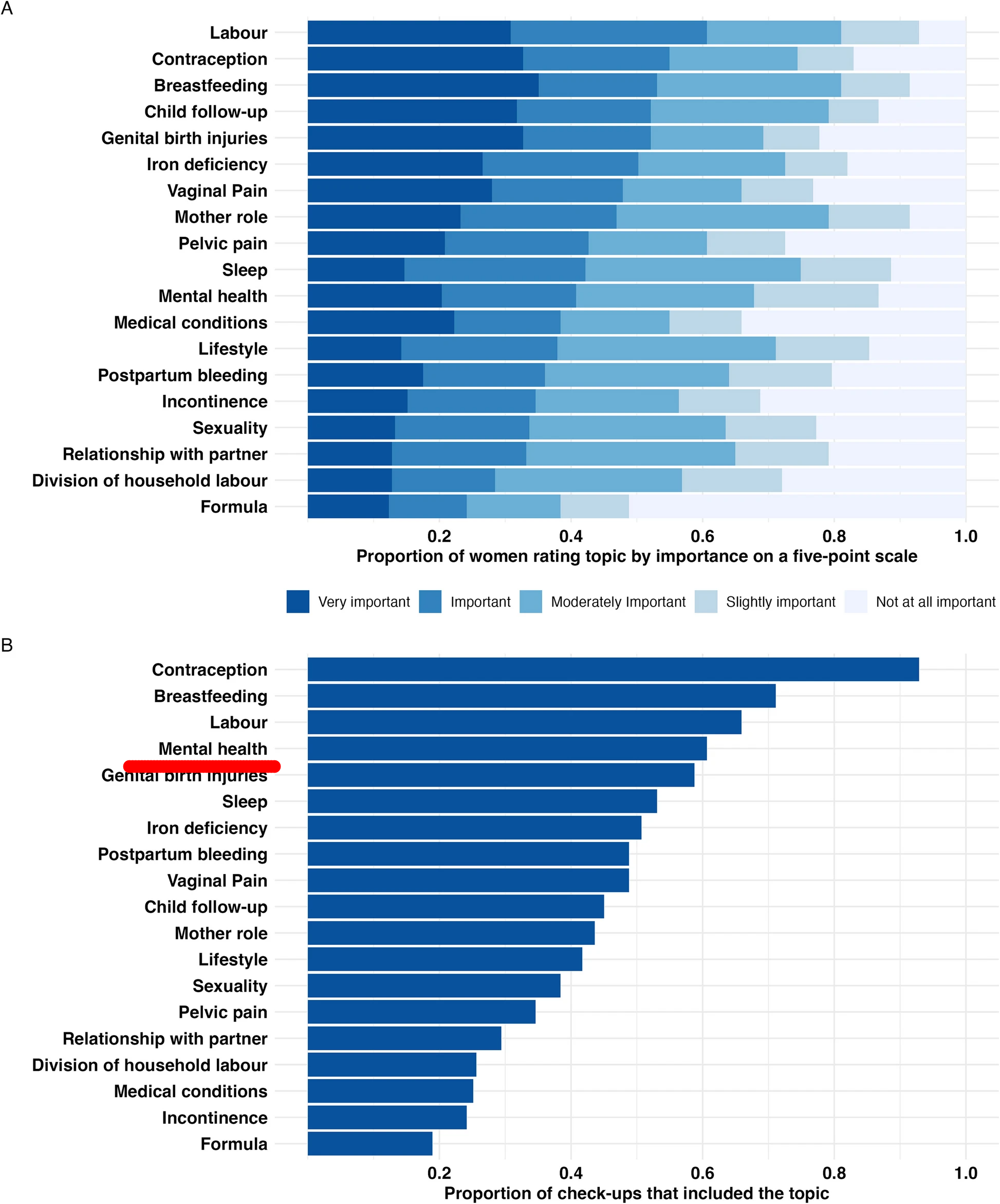
For decades, health care costs have been a political topic in America. Advocates argue it is the...

Happy Twelfth Night - Or Divorce Day, Depending On How Your 2026 Is Going

Today is, in Christian observance, Twelfth Night, the end of The 12 Days of Christmas in that song...
Blood Pressure Medication Adherence May Not Be Cost, It May Be Annoyance At Defensive Medicine

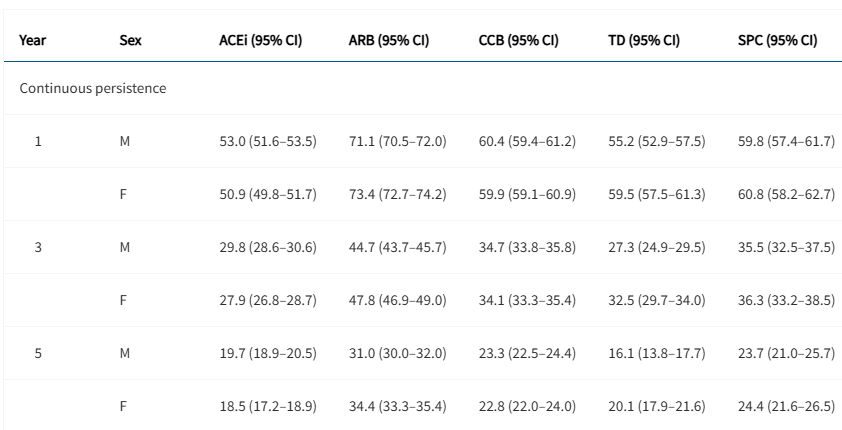
High blood pressure is an important risk factor for developing cardiovascular disease and premature...

User picture.
picture for Fred Phillipspicture for Tommaso Dorigopicture for Hontas Farmerpicture for picture for Patrick Lockerbypicture for Ilias Tyrovolas
Hank CampbellRSS Feed of this column.

I founded Science 2.0® in 2006 and since then it has become the world's largest independent science communications site, with over 300,000,000 direct readers and reach approaching one billion. Read More »

Blogroll
A new scaremongering story about food and cancer is making the rounds but before you run off to find comfort in the arms of Mark Hyman, Mehmet Oz, or Joe Mercola, keep one thing in mind.

This is in mice. This stuff is always in mice or a statistical correlation, which means without real science showing it in humans, it is not relevant to humans.
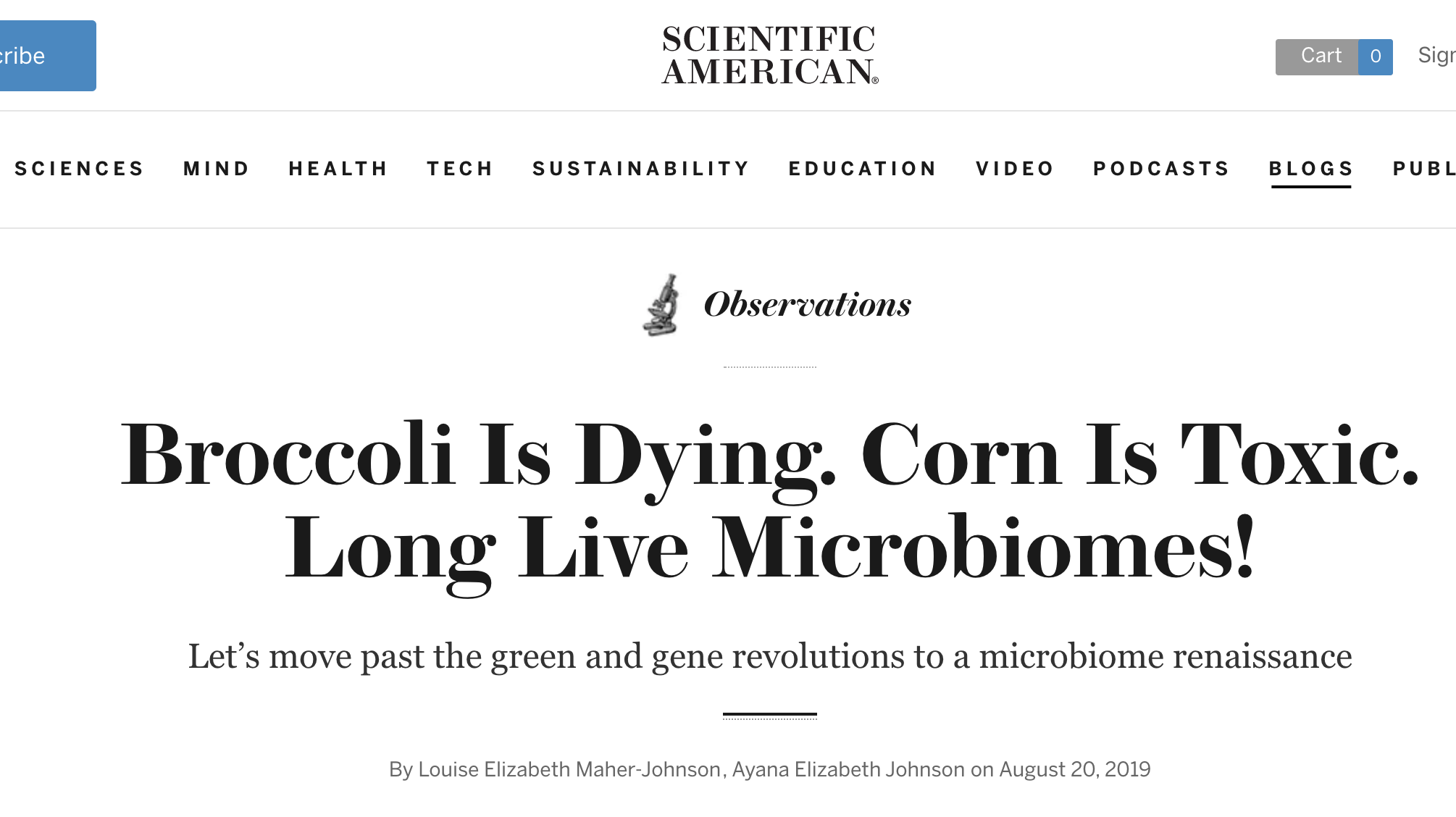
I didn't even know Scientific American Blogs still existed. They do, they were just irrelevant and no one remembered until a few days ago. Given their recent foray into nonsense, it can be the next place where denier for hire Paul Thacker pretends to be a journalist.

Scientific American Blogs was the brainchild of blogging wunderkind Bora Zivkovic, who left Scienceblogs for PLOS, to build a blog network for them, and then when Scientific American wanted to retry blogging they recruited him.
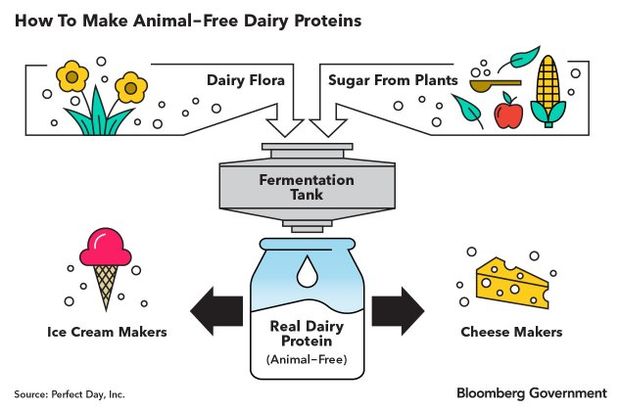
Ben&Jerry's is not going to roll out ice cream derived from geneticaly modified cells in a lab any time soon - their buying demographic hates science (although their parent conglomerate Unilever loves it) - but the public wants it now.
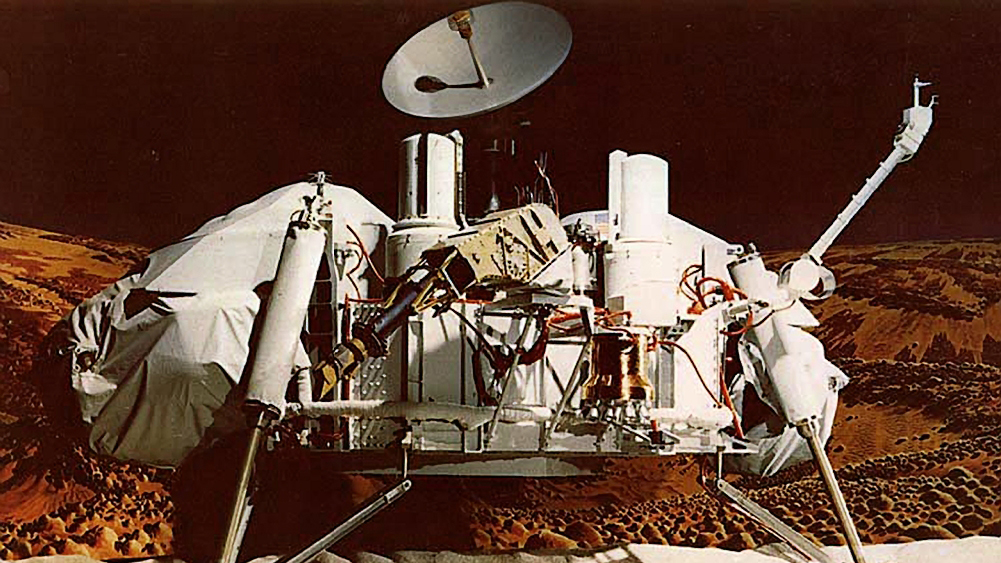
Viking 1, an unmanned U.S. probe headed for Mars, was launched on this day in 1975 from Cape Canaveral, Florida, which is Brevard county on the Atlantic Ocean and across the Banana River east of Merritt Island where Kennedy Space Center is which is itself east Titusville across the Indian River.

Yet even though Viking 1 took off from Cape Canaveral, formerly called Cape Kennedy, it did not take off from its more famous adjacent site, Kennedy Space Center, formerly called NASA Launch Operations CenterIt instead took off from Cape Canaveral Air Force Station headquartered at Patrick Air Force Base, actual Cape Canaveral, not Merritt Island, which had once been renamed Cape Kennedy Air Force Station. 

Sound confusing? 
In 2006, when Science 2.0 began, it felt like the world was ready for a writing network composed of scientists. There had already been two attempts, one failed and one wildly successful, albeit more focused on cultural issues than science.

The reason it felt time was because the public didn't trust journalists, who were (and are) often overtly partisan while scientists didn't trust journalists because they were (and are) often wrong. Why not make scientists the journalists?
A recent paper claims the ketogenic diet (basically the Atkins diet, except you can't sell new diet books using old names) will help with migraines.

Other more dangerous claims are that it will help with schizophrenia and epilepsy. The reality is that if the ketogenic diet could do any of those things, meal plans would be in double-blind clinical trials right now. Those diseases are a trillion dollar market.