Fake Banner
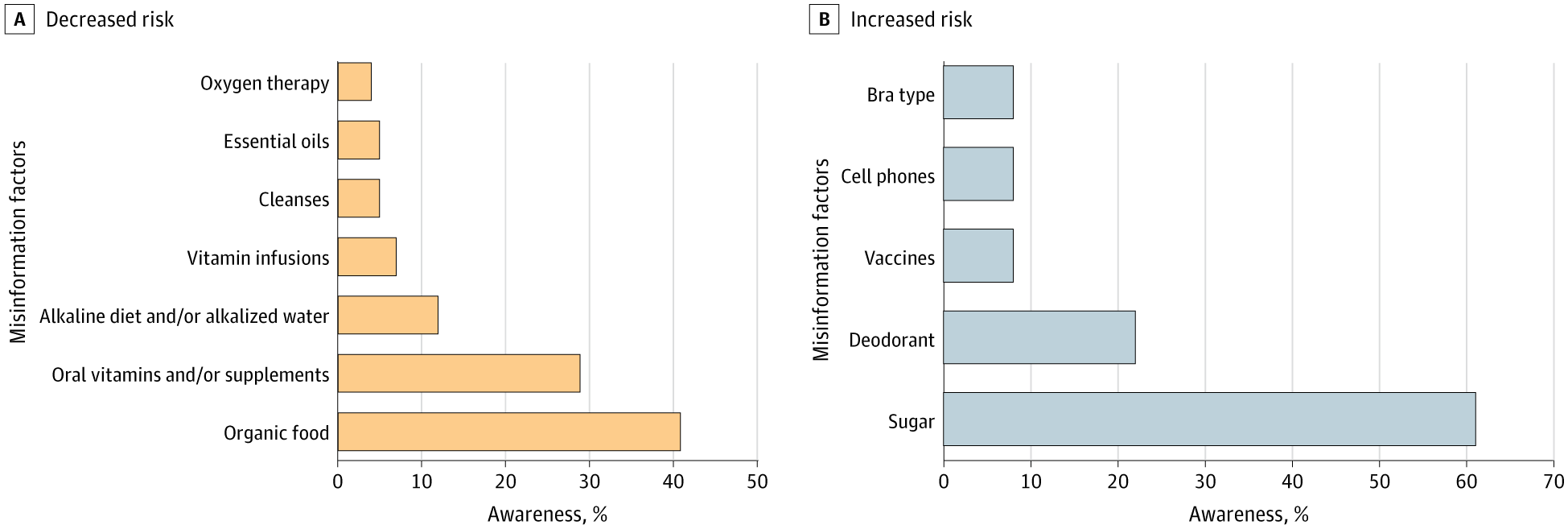
Misinformation Common Among Women With Breast Cancer

Vaccines are getting American media attention now that Republicans are engaging in misinformation...
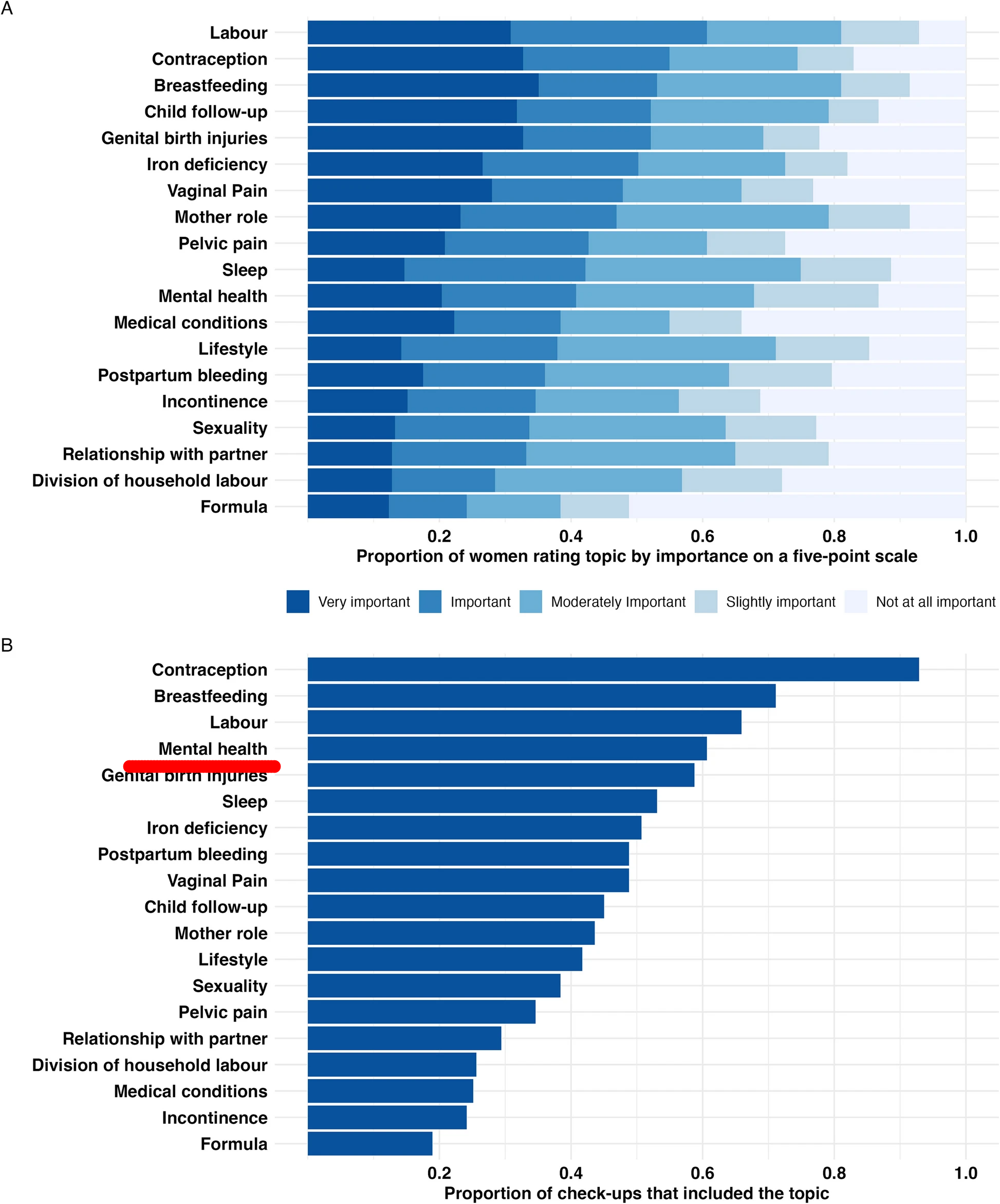
Even With Universal Health Care, Mothers Don't Go To Postnatal Check-Ups

For decades, health care costs have been a political topic in America. Advocates argue it is the...

Happy Twelfth Night - Or Divorce Day, Depending On How Your 2026 Is Going

Today is, in Christian observance, Twelfth Night, the end of The 12 Days of Christmas in that song...
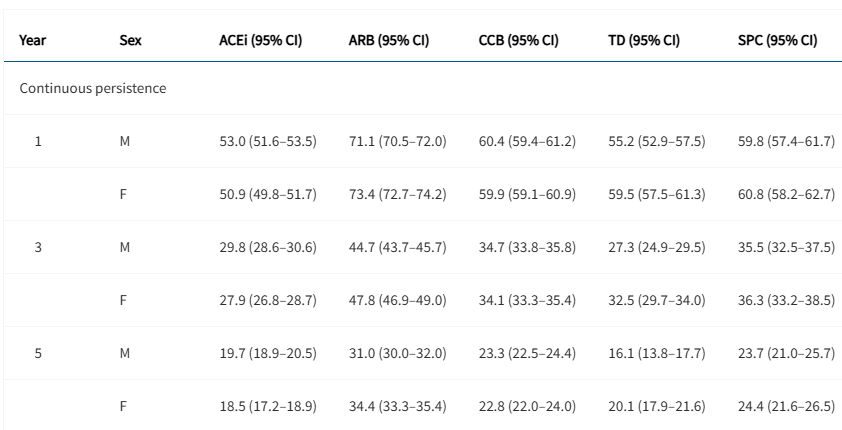
Blood Pressure Medication Adherence May Not Be Cost, It May Be Annoyance At Defensive Medicine

High blood pressure is an important risk factor for developing cardiovascular disease and premature...

User picture.
picture for Fred Phillipspicture for Tommaso Dorigopicture for Hontas Farmerpicture for picture for Patrick Lockerbypicture for Ilias Tyrovolas
Hank CampbellRSS Feed of this column.

I founded Science 2.0® in 2006 and since then it has become the world's largest independent science communications site, with over 300,000,000 direct readers and reach approaching one billion. Read More »

Blogroll
The most popular organic fertilizer is feces while the most popular pesticide is copper sulfate. Both of those don't sound great to ingest but a new study says that extra dung leads to more bacteria - and that may be a good thing, if you believe a lot more bacteria is beneficial to gut health.

Yogurt marketing and supplement claims aside, there is no evidence that your body is impacted by probiotics unless you suffered a legitimate medical issue (as in you need an actual fecal transplant), yet like gluten-free diets probiotic foods have become a trend among people with extra money to spend. The same people who buy organic food.
Bisphenol S (BPS) and bisphenol F (BPF) are chemicals used in the lining of aluminum-canned food and drinks (to prevent spoilage). They were rolled out as a replacement for bisphenol A (BPA), a compound targeted by activists under claims it might statistically be an "endocrine-disrupting chemical." Exhaustive studies later found overwhelming scientific evidence that was not so.
A new paper has statistically linked depression and anxiety during pregnancy (and link preterm births due to those) to the radius of natural gas hydraulic fracturing wells in Pennsylvania.

Should you be worried? The short answer is "no", this is not a very good paper.

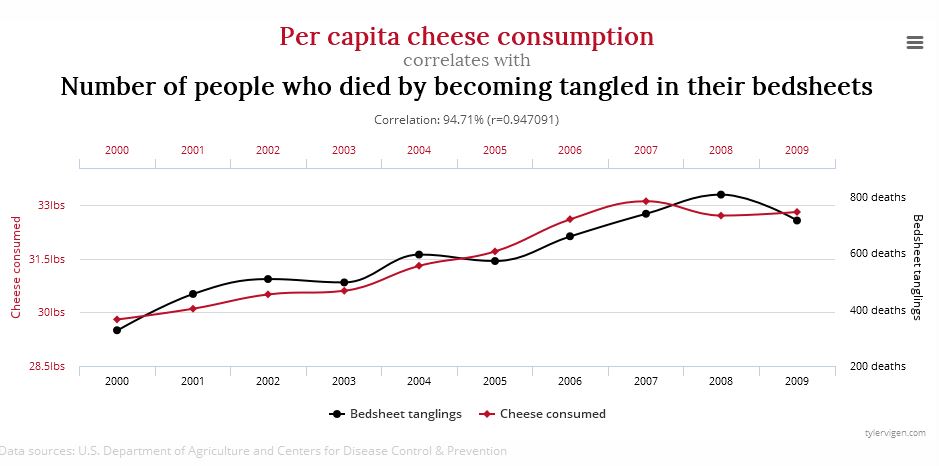
Just like "only in mice" has become a common complaint of biologists, chemists, and toxicologists about provocative claims designed to get media attention, "it's just correlation" is invoked nearly as often by the science community.
Raw milk is not a cure for any disease, it's actually more like a disease vector. It has no benefit to anyone, and I say that as a kid who drank it regular, and has a great deal of risk.

But the anti-science, anti-vaccine, anti-gmo, pro supplement community latched onto this, even for autism, and it became so popular FDA actually had to issue a statement telling people it's not real.  

In two years, not much has changed. Raw milk still won't be a treatment for autism, nor will raw camel milk, or any milk. It's nonsense, and embarrassing in a country that proudly claims world leadership in adult science literacy.

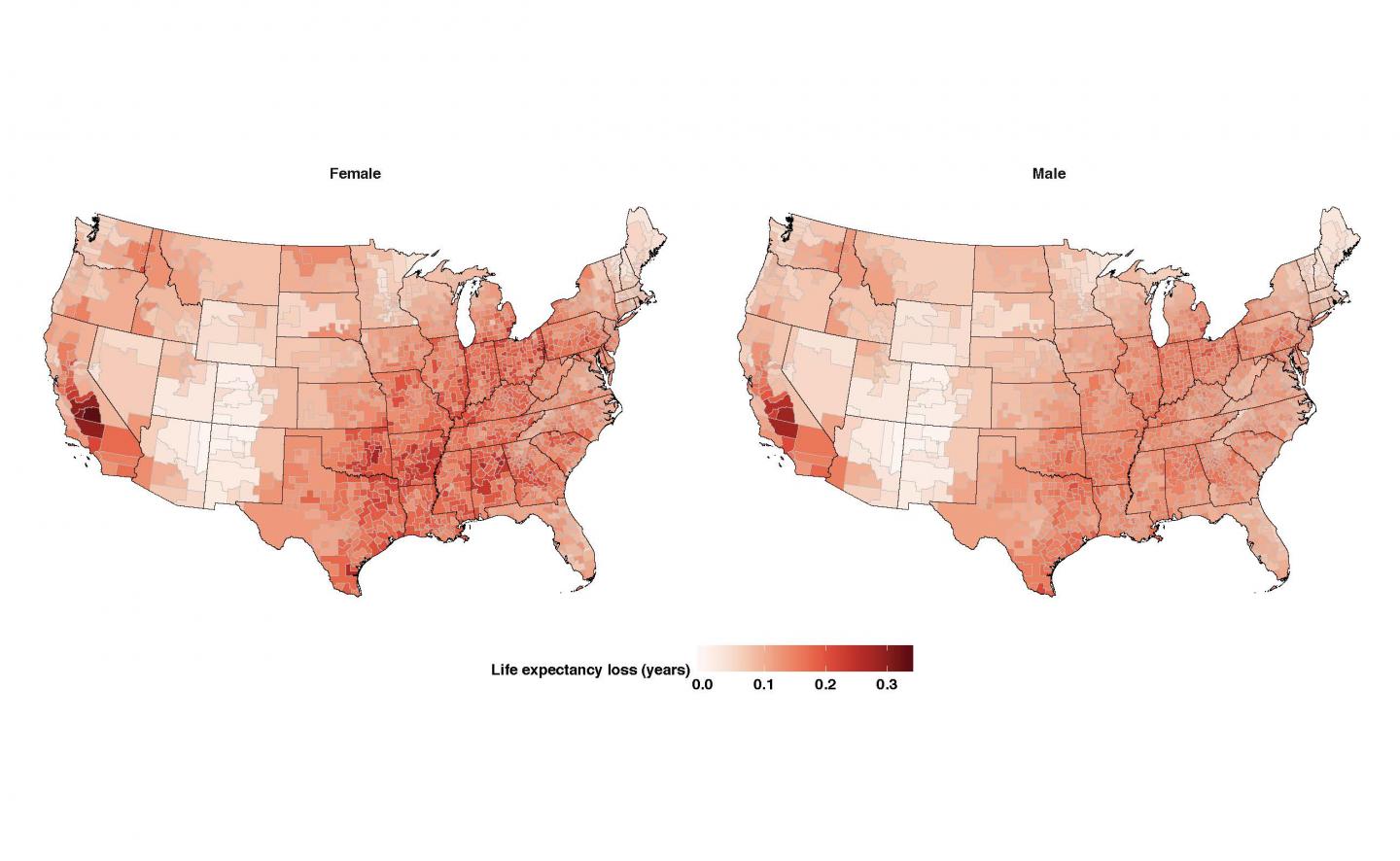
With air pollution a distant memory outside some pockets in the United States (or during wildfires), the U.S. EPA oddly embraced one paper, which they had not seen any data for(1), claiming that particles so small they could only be detected with an electron microscope, 2.5 microns in size, were killing people.

Data didn't show it, but it doesn't matter and that is the great thing about modern epidemiology. In this decade, epidemiologists only need to show a statistical correlation and then they get media coverage and hand it off to scientists and tell them to prove it. It's sort of like theoretical physicists claiming they can show time travel or a multiverse and the incompetent noobs in experimental physics need to drop everything and prove them right. 
If I have a choice between an emissions-belching factory near my home or clean, high-paying jobs from a diverse group of educated people 13,000 feet above where citizens live, I am siding with science.

This is why while I was a successful environmental fundraiser, many of their positions made no sense to me, even when I was young and naïve. Many of the positions I was supposed to believe in weren't about the environment, they were about manufacturing hype to raise money. Hawaiʻi's Thirty Meter Telescope is another example where it is not about the environment - 13 observatories and telescopes have been there for over 40 years - and it is also not about the next tactic after the environmental argument failed - religion.