Banner
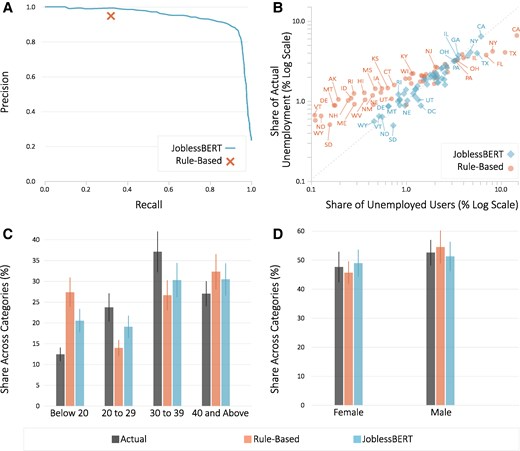
Social Media Is A Faster Source For Unemployment Data Than Government

Government unemployment data today are what Nielsen TV ratings were decades ago - a flawed metric...

Gestational Diabetes Up 36% In The Last Decade - But Black Women Are Healthiest

Gestational diabetes, a form of glucose intolerance during pregnancy, occurs primarily in women...
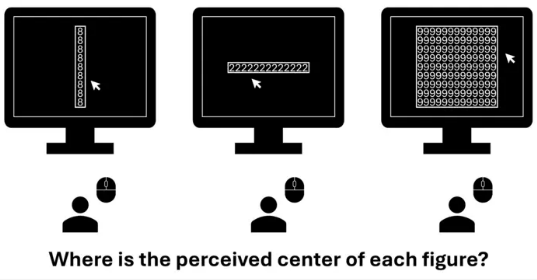
Object-Based Processing: Numbers Confuse How We Perceive Spaces

Researchers recently studied the relationship between numerical information in our vision, and...
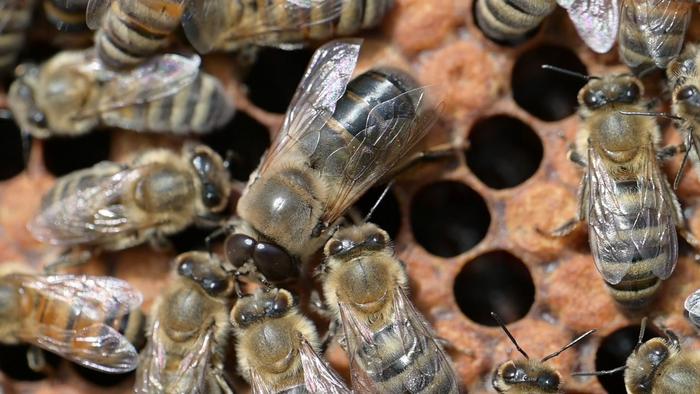
Males Are Genetically Wired To Beg Females For Food

Bees have the reputation of being incredibly organized and spending their days making sure our...

User picture.
News StaffRSS Feed of this column.

News Releases From All Over The World, Right To You... Read More »

Blogroll

Northwestern University researchers have discovered a drug that slows – and may even halt – the progression of Parkinson’s disease. The drug rejuvenates aging dopamine cells, whose death in the brain causes the symptoms of this devastating and widespread disease.

D. James Surmeier and his team of researchers have found that isradipine, a drug widely used for hypertension and stroke, restores stressed-out dopamine neurons to their vigorous younger selves.

An international study by researchers at Seattle Children’s Hospital Research Institute, the University of Washington School of Medicine, and Radboud University in Nijmegen, Netherlands has identified a new genetic cause for Joubert syndrome (JS).

Joubert syndrome is an inherited condition that affects development of the cerebellum and brainstem, the structures in the brain that coordinate movements and regulate basic functions such as breathing, swallowing, heart rate and consciousness. The study confirms key information about the genetic changes that cause JS and cellular structures called cilia, conclusively placing JS in a class of recently identified ciliopathic conditions.

More than 26 million people worldwide were estimated to be living with Alzheimer’s disease in 2006, according to a study led by researchers at the Johns Hopkins Bloomberg School of Public Health.

The researchers also concluded the global prevalence of Alzheimer’s disease will grow to more than 106 million by 2050. By that time, 43 percent of those with Alzheimer’s disease will need high-level care, equivalent to that of a nursing home.

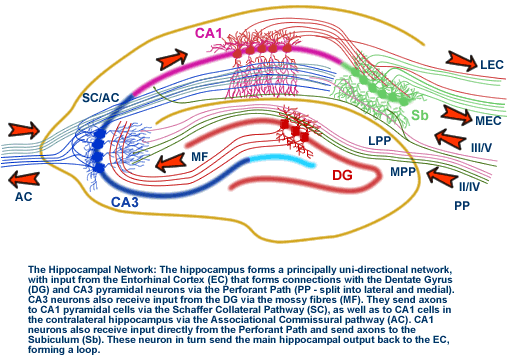
We've all had the feeling we've been somewhere before or had a feeling we've previously had a conversation. It isn't magic or mysticism, the answer is in a set of neurons called your 'place cells.'

Researchers believe these 'place cells' fire to provide a sort of blueprint for any new space we encounter. The next time we see the space, those same neurons fire. Thus we know when we've been somewhere before and don't have to relearn our way around familiar turf. But similar spaces may activate overlapping neuronal blueprints, leaving room for confusion if the neurons are not fine-tuned. Thus happens deja vu.


Source: University of Bristol

It used to be said that men predominantly liked salty snacks and women liked sweets. Food preference, in that sense, was related to chromosomes.

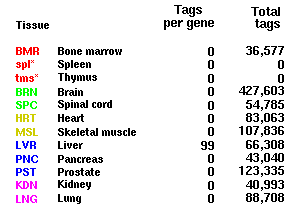
It may go deeper than that. Even your preference for fats, carbohydrates and proteins may be genetic. Researchers have found that the apolipoprotein A-II gene (APOA2) is associated with proportions of fat, carbohydrate, and protein in the diet, total calories and, therefore, with body-mass-index (BMI.


APOA2. Courtesy: genecards.org

It may not sound like a great thing for your backyard festivities but scientists have figured out how to make the fruit fly live longer. Luckily, humans will get something out of the deal -namely the discovery that a single protein can inhibit aging means we might live longer to be annoyed by insects.


Not this Superfly. A super fruit fly. © Warner Bros.