Banner
Social Media Is A Faster Source For Unemployment Data Than Government

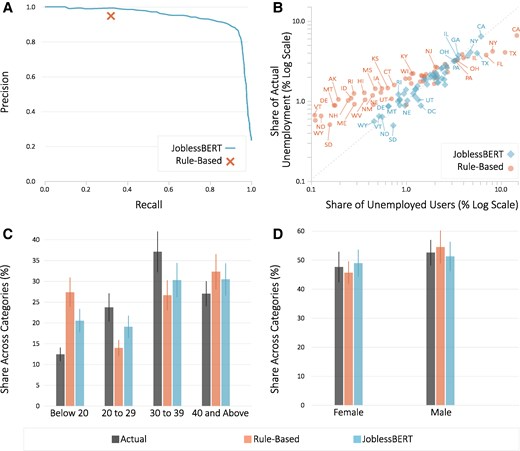
Government unemployment data today are what Nielsen TV ratings were decades ago - a flawed metric...

Gestational Diabetes Up 36% In The Last Decade - But Black Women Are Healthiest

Gestational diabetes, a form of glucose intolerance during pregnancy, occurs primarily in women...

Object-Based Processing: Numbers Confuse How We Perceive Spaces

Researchers recently studied the relationship between numerical information in our vision, and...
Males Are Genetically Wired To Beg Females For Food

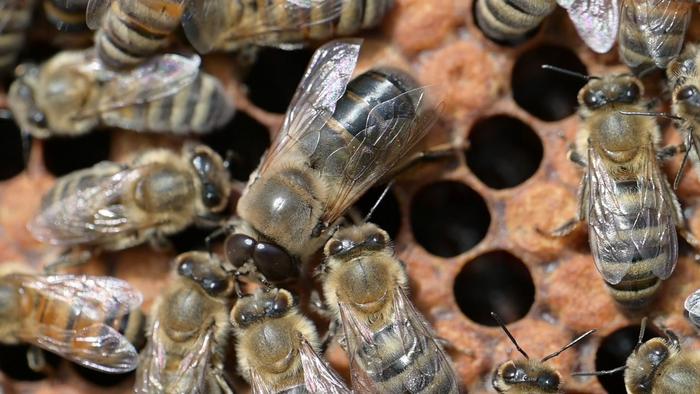
Bees have the reputation of being incredibly organized and spending their days making sure our...

User picture.
News StaffRSS Feed of this column.

News Releases From All Over The World, Right To You... Read More »

Blogroll

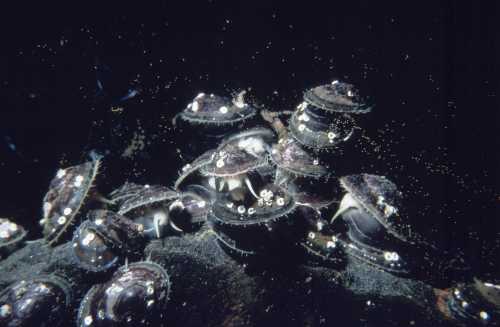
A limpet no bigger than a coin could reveal the possible fate of cold-blooded Antarctic marine animals according to new research.

Compared to their temperate and tropical cousins, cold-blooded polar marine animals are incapable of fast growth. Until now scientists assumed that a lack of food in winter was the major limiting factor. Studies of the protein-making abilities of limpets in both the sea around the British Antarctic Survey’s (BAS) Rothera Research Station and in the laboratory aquarium reveal that these animals cannot make proteins – the building blocks of growth - efficiently.

Lead author Dr Keiron Fraser from BAS says,“This is an important step forward in our understanding of the complex biodiversity of Antarctica’s unique ecosystem.

The scientist involved in helping re-introduce the Great Bustard to the UK is “delighted” that birds released at a secret Wiltshire location have laid their first eggs.

Dr Tamas Szekely from the University of Bath says that the announcement from the Great Bustard Group comes a year earlier than predicted, and shows that the project is making good progress.

The Great Bustard is the world’s largest flying bird and although it was hunted as a trophy until it became extinct in the UK in the 1830s, it still lives in stable populations in eastern Europe.


Female Great Bustard at nest (credit: IUCN Bustard Specialist Group)

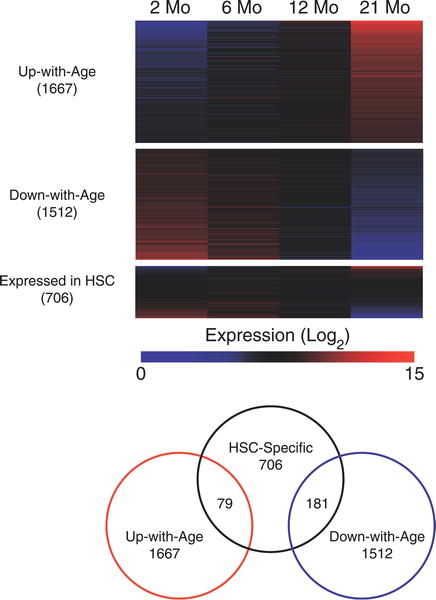
There is little disagreement that the body’s maintenance and repair systems deteriorate with age, even as there is plenty of disagreement as to why.

Stem cells combat the aging process by replenishing old or damaged cells—particularly in the skin, gut, and blood—with a fresh supply to maintain and repair tissue. Unfortunately, new evidence published in the open-access journal PLoS Biology suggests that this regenerative capacity also declines with age as stem cells acquire functional defects.

People who spent more time in the sun as children may have a lower risk of developing multiple sclerosis (MS) than people who had less sun exposure during childhood, according to a study published in the July 24, 2007, issue of Neurology®.

For the study, researchers surveyed 79 pairs of identical twins with the same genetic risk for MS in which only one twin had MS. The twins were asked to specify whether they or their twin spent more time outdoors during hot days, cold days, and summer, and which one spent more time sun tanning, going to the beach and playing team sports as a child.

Drinking more than one soft drink daily — whether it’s regular or diet — may be associated with an increase in the risk factors for heart disease.

“We were struck by the fact that it didn’t matter whether it was a diet or regular soda that participants consumed, the association with increased risk was present,” said Ramachandran Vasan, M.D., senior author of the Framingham Heart Study and professor of medicine at Boston University School of Medicine.

In an advance that could help curb global demand for oil, MIT researchers have demonstrated how ordinary spark-ignition automobile engines can, under certain driving conditions, move into a spark-free operating mode that is more fuel-efficient and just as clean.

The mode-switching capability could appear in production models within a few years, improving fuel economy by several miles per gallon in millions of new cars each year. Over time, that change could cut oil demand in the United States alone by a million barrels a day. Currently, the U.S. consumes more than 20 million barrels of oil a day.

Many researchers are studying a new way of operating an internal combustion engine known as “homogeneous charge compression ignition” (HCCI).