Banner
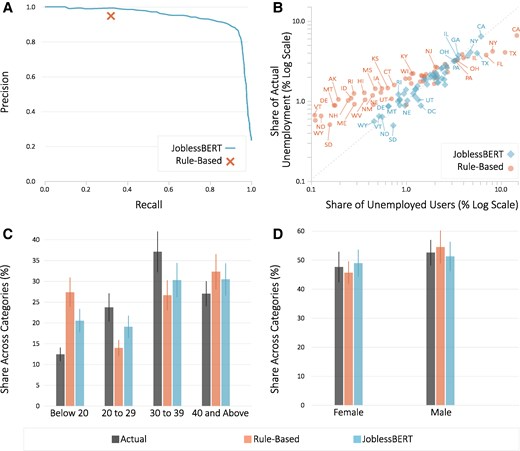
Social Media Is A Faster Source For Unemployment Data Than Government

Government unemployment data today are what Nielsen TV ratings were decades ago - a flawed metric...
Gestational Diabetes Up 36% In The Last Decade - But Black Women Are Healthiest

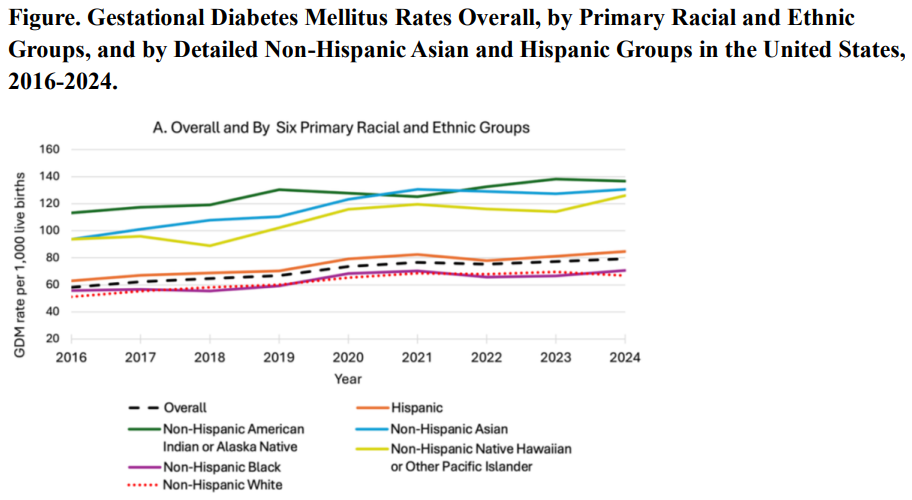
Gestational diabetes, a form of glucose intolerance during pregnancy, occurs primarily in women...
Object-Based Processing: Numbers Confuse How We Perceive Spaces

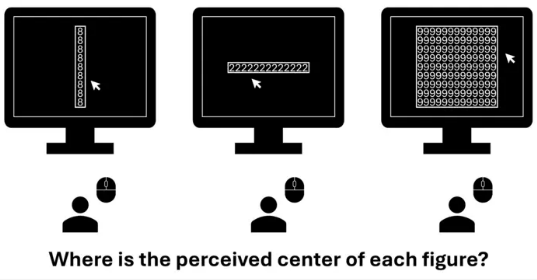
Researchers recently studied the relationship between numerical information in our vision, and...
Males Are Genetically Wired To Beg Females For Food

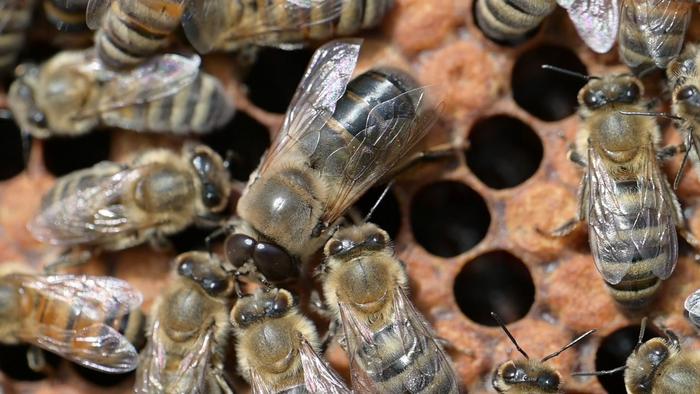
Bees have the reputation of being incredibly organized and spending their days making sure our...

User picture.
News StaffRSS Feed of this column.

News Releases From All Over The World, Right To You... Read More »

Blogroll
A new study finds that hugging a romantic partner can prevent the acute stress response of female bodies.

Women who embrace their romantic partner prior to undergoing a stressful experience had lower levels of the stress hormone cortisol in saliva compared to women who did not embrace their partner. No effect was found for men.

Some papers have claimed that massages, embraces combined with hand-holding, and embraces combined with affectionate communication can reduce signs of stress in women but those usually do not include men nor any effects of a brief embrace.
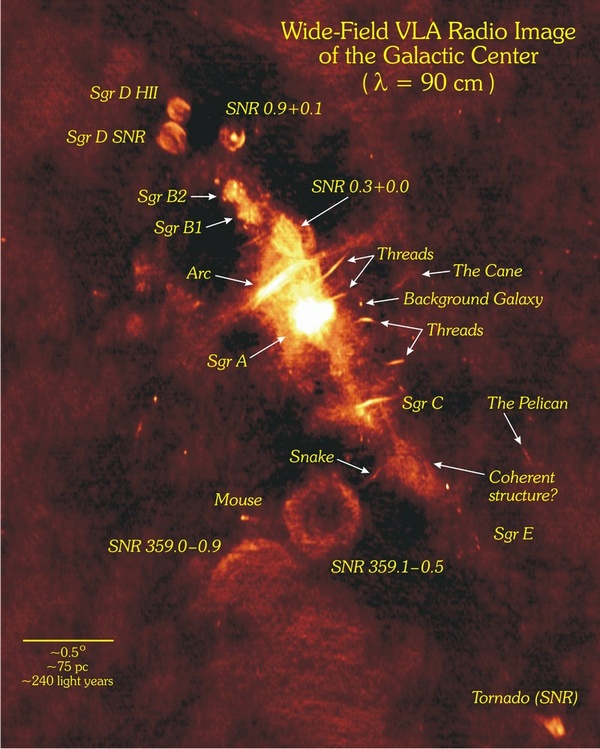
At the centere of our galaxy, the Milky Way, there exists what must be a black hole. But detecting it has been challenging because of the cosmic dust around it.

Now, for the first time, a group of radio antennas knows as the Event Horizon Telescope Collaboration have unveiled the first image of the supermassive black hole four million times more massive than our Sun.

known as Sagittarius A* (Sgr A*, pronounced "sadge-ay-star") it obviously can't be seen, that is built into the black hole name, but it can be inferred thanks to a dark central region (called a “shadow”) surrounded by a bright ring-like structure. The new view captures light bent by the powerful gravity of the black hole.
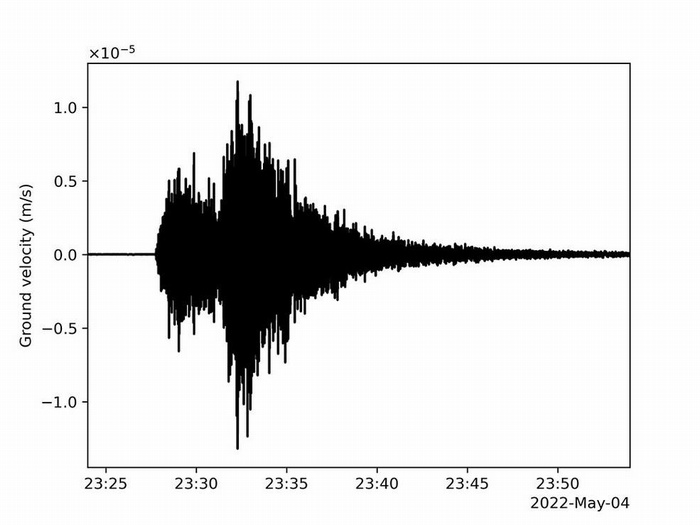
Mars doesn’t have tectonic plates like Earth, but it does have volcanically active regions that can cause rumbles, and one way to develop a better understanding of Mars’ mantle and core is to examine seismic active. In March, NASA’s InSight lander detected two strong, clear quakes originating in a location of Mars called Cerberus Fossae – the same place where two strong quakes were seen earlier in the mission. Those quakes have magnitudes of 3.3 and 3.1; the previous quakes were magnitude 3.6 and 3.5.

InSight has recorded over 1,300 quakes to date, but nothing like the magnitude 5 temblor that occurred on May 4, 2022. That is a medium-sized earthquake on Earth, they happen 5 times each day, but it is a size researchers only hoped to get during this mission on Mars.
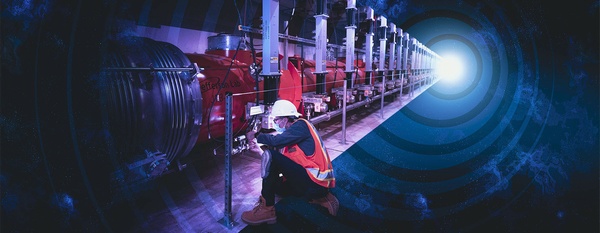
A half-mile-long stretch of tunnel in California is now colder than most of the universe. It contains a new superconducting particle accelerator, part of an upgrade project to the Linac Coherent Light Source (LCLS) X-ray free-electron laser, one of the last milestones before LCLS-II will produce X-ray pulses that are 10,000 times brighter, on average, than those of LCLS and that arrive up to a million times per second – a world record for today’s most powerful X-ray light sources. 

Crews have successfully cooled the accelerator to minus 456 degrees Fahrenheit – or 2 kelvins – a temperature at which it becomes superconducting and can boost electrons to high energies with nearly zero energy lost in the process.
Seeing a doctor can be crucial to managing and preventing chronic disease but there has long been a racial gap in routine visits that can't be explained by racism or income. 

Maybe people didn't like like going to the doctor because the COVID-19 pandemic caused use of telemedicine to rise sharply, and as that happened gaps in visits disappeared for black patients at Penn Medicine. 

Once “normal” in-office appointments returned, previous inequities stayed erased, indicating that telemedicine wasn’t just a stopgap solution but a potential long-term tool for equity. 
Astronomers have been assuming that real new knowledge of black holes might have to wait until 2030, when/if NASA’s gravitational wave detector, LISA, launches into space.

The Event Horizon Telescope may have something else in mind. They have called a press conference for Thursday and speculation is rampant about what it might mean.