Banner
Ousiometrics Analysis Says All Human Language Is Biased

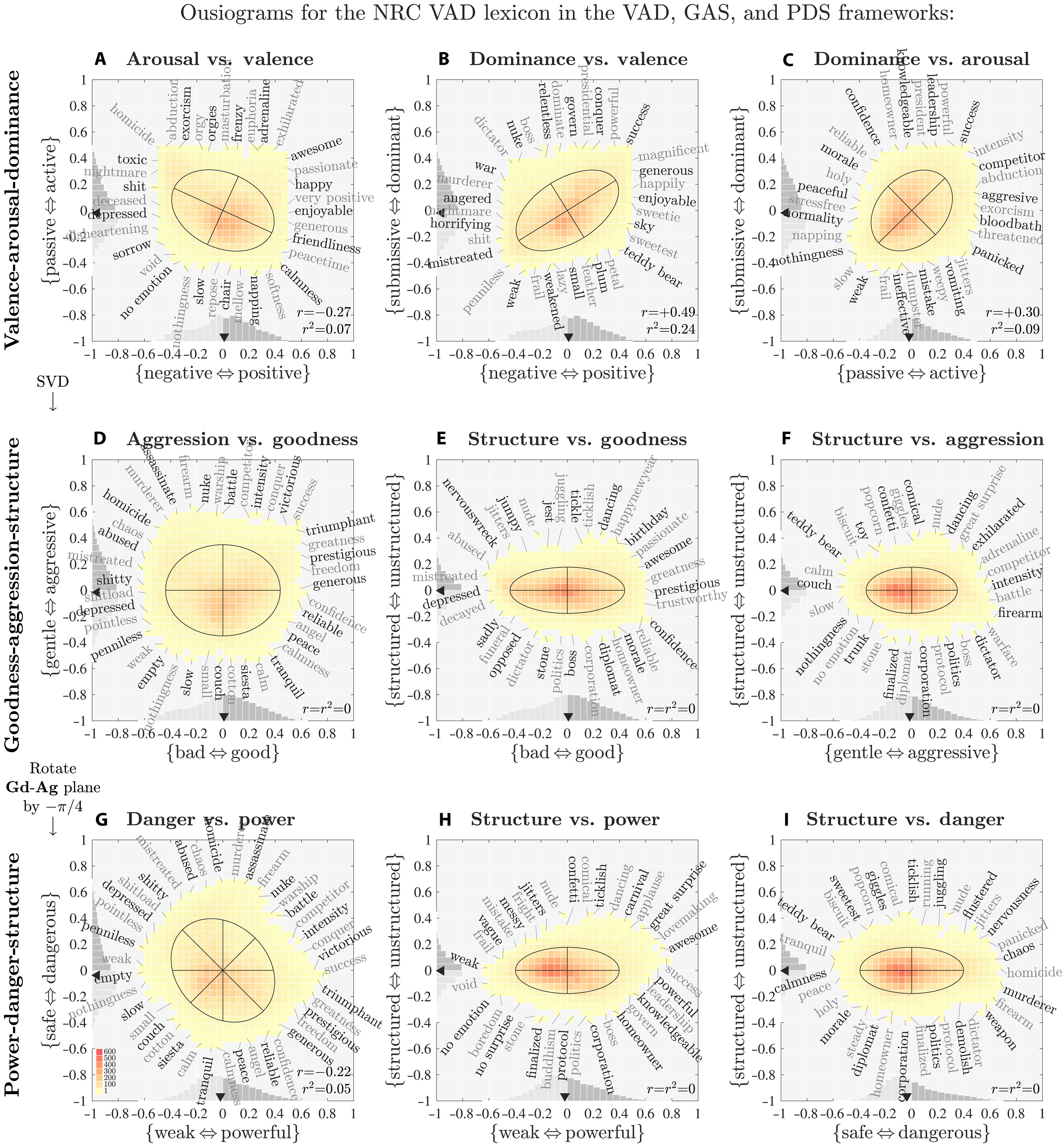
A new tool drawing on billions of uses of more than 20,000 words and diverse real-world texts claims...
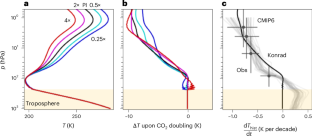
Wavelengths Of Light Are Why CO2 Cools The Upper Atmosphere But Warms Earth

There are concerns about projected warming on the Earth’s surface and in the lower atmosphere...

Here's Where Your Backyard Was 300 Million Years Ago

We may use terms like "grounded" and terra firma to mean stability and consistency but geology...

Convergent Evolution Cheat Sheet Now 120 Million Years Old

One tenet of natural selection is a random walk of genes but nature may be more predictable than...

User picture.
News StaffRSS Feed of this column.

News Releases From All Over The World, Right To You... Read More »

Blogroll
Yogurt with probiotics are one of the latest health fads, but no one is sure they are doing anything at all and, if they are, that it is helping. 

Probiotics are defined by marketing groups as "live micro-organisms which, when administered in adequate amounts, confer a health benefit on the host, beyond the common nutritional effects." Proponents believe they facilitate fiber digestion, might boost the immune system and prevent or treat diarrhea. Dozens of bifidobacteria and lactobacilli are marketed in foods like yogurts and fermented milk products.
A decade ago there was mass hysteria among the fringes of science academia because American President George W. Bush limited federal funding for human embryonic stem cells to existing lines. Accompanying claims were that Alzheimer's Disease wouldn't be cured and Republicans hated science. 

In 2014, it is difficult to remember what all the fuss was about. California wants its $3 billion in hESC funding back, though that money did finally produce one paper, and adult stem cells have done all of the things hESC research was speculated to be able to do. Now, a final hurdle is about to be crossed: researchers have successfully 'reset' human pluripotent stem cells (iPSCs) to a fully pristine state, the point of their greatest developmental potential. 
Around 3,000 farmers work 6,000 hectares in Veracruz, the west coast of Mexico, to grow potatoes (Solanum tuberosum). In recent decades, the fields of the Cofre de Perote area were affected by the presence of the golden nematode of potatoes (Globodera rostochiensis), also known as the yellow potato cyst nematode, a devastating plant pathogen, which reduced crop yields by more than 40 percent, leading to loss of income, loss of food and greater environmental strain due to making up the gap.

According to records of the Institute of Ecology (INECOL) in Mexico, there were 6,000 cysts per kilogram of soil of the nematode - European Organization for the Protection of Plants guidelines say anything over 40 cysts will affect crop yield.

Rheumatoid arthritis causes chronic pain and inflammation in joints, such as those in the hands and feet, as well as knees and hips. Over time, rheumatoid arthritis can destroy the cartilage that lubricates and cushions the joints. In essence, it 'remodels' bones, leading to disfigurement, pain and reduced mobility.

Cartilage was previously thought to be a victim of an overzealous immune system but a new paper finds it has an active role in rheumatoid arthritis.

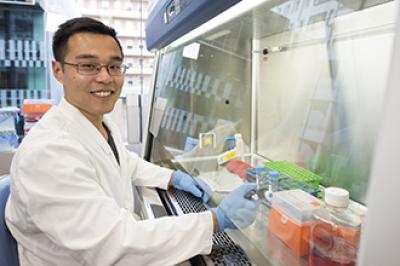
Dr Tommy Liu, Professor Ian Wicks, Dr Kate Lawler, Dr Ben Croker and colleagues from the Walter and Eliza Hall Institute made the discovery while investigating the role of the protein SOCS3 in controlling inflammation during rheumatoid arthritis. 

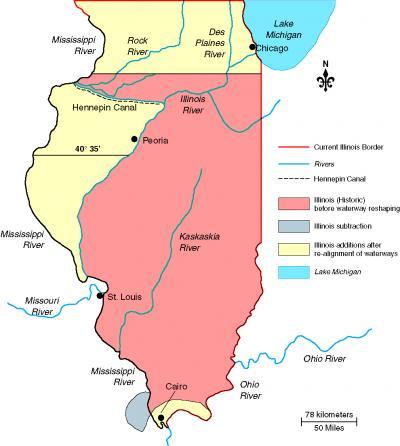
Given its rampant crime, corruption and money issues, a lot of residents of Illinois publicly wish they could give Chicago away. They almost never had it at all.

The original proposed northern boundary of Illinois was a straight line from the southernmost tip of Lake Michigan to just south of the Rock and Mississippi River confluence - had it been approved,  the northern 51 miles of the Illinois Territory would have become Wisconsin when it became a state in 1848.

Psoriasis is an autoimmune disease with symptoms which include the formation of red inflamed lesions that appear on the skin, vary from mild to severe.

It affects around 125 million people worldwide. A new paper has found different types of dendritic cells in human skin have assorted functions in the early and more advanced stages of psoriasis. The scientists suggest that new strategies to regulate the composition of dendritic cells in psoriatic skin lesions might represent an approach for the future treatment of the disease.

The scientists observed an increase in the accumulation of plasmacytoid dendritic cells in the psoriatic lesions of patients as well as in mice that are model organisms for the study of the disease.