The adage that 'there is a sucker born every minute' has always been true. Organic food? Homeopathy? Social psychology? I am cool with all of those unless poor people who think they are accepting science are being exploited for financial gain.
And so if a company claims they will name an asteroid after you for five bucks, or a star, and you don't want to do the creative design work of making your own certificate and printing it off, I suppose that's harmless enough, but if you ask I will still tell you how meaningless it is.
If you're not a researcher, you probably don't use Mendeley a lot, I don't have an account there even though I have written lots of pieces about their stuff. But it's popular among researchers and in the early days of Science 2.0, when I had the Science 2.0 name itself reserved for a collaboration tool, I always assumed we would buy something like Mendeley or something like Mendeley would buy us, depending on who got biggest first. Other than a few emails with the CEO when he had something interesting to share, I have no involvement with the company.
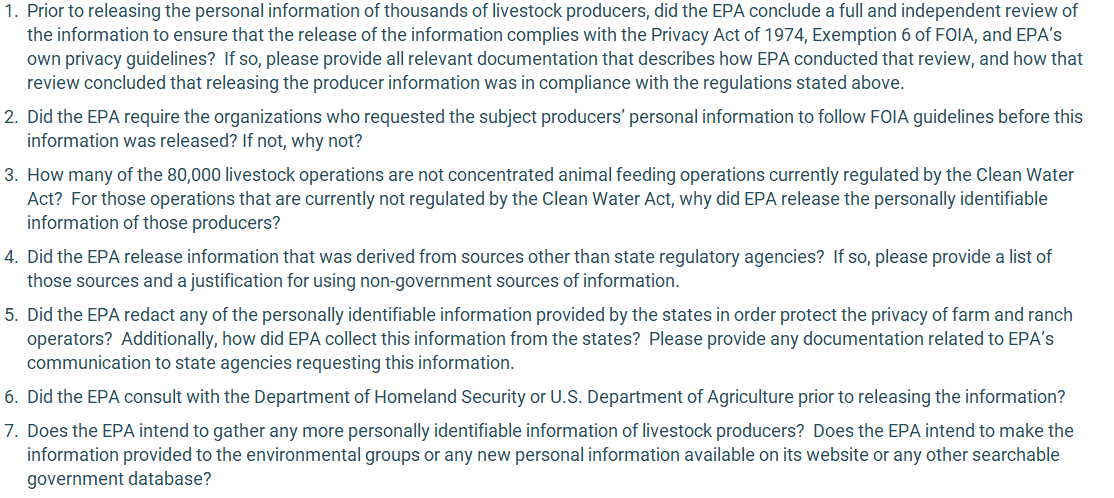
The Environmental Protection Agency has always been a political beast - it is political appointees accountable to whatever administration is in power, not the electorate. President Richard Nixon created it, that should tell you something.
For an administration that promised to 'restore science to its rightful place' and that is run by a man who calls himself '
scientist in chief' there is sure a lot of anti-science activity going on.
Food so cheap that poor people can be fat is a miracle only dreamed about by philosophers ad economists throughout history. It was previously believed that the labor force needed to produce enough food would outstrip the food they could produce, something like how trying to exceed the speed of light adds too much mass.
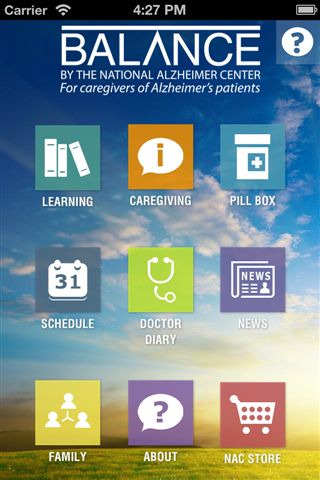
Alzheimer's research is always big news. The reason is simple: people are living longer and they also want to be living better. While progress in general health issues for seniors marches on, the brain remains trickier stuff. Instead of less Alzheimer's than in the past, we have more, thanks to better diagnosis and greater longevity. Once you reach a certain age, you are almost certain to have someone in your family with it.


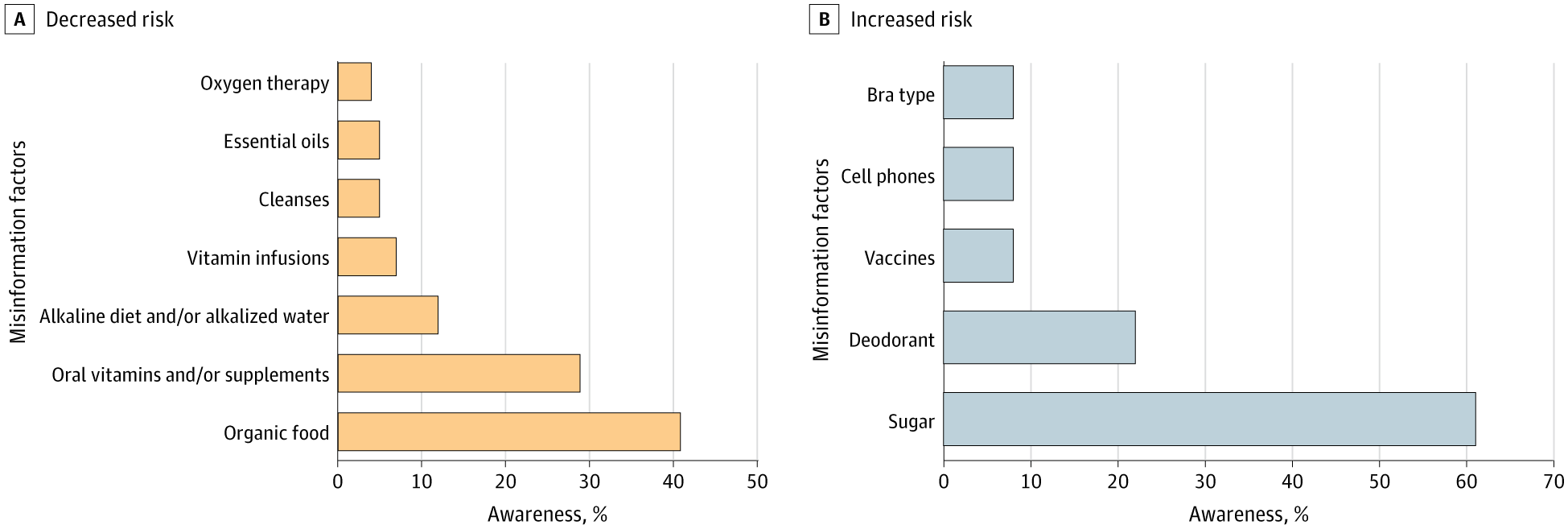 Misinformation Common Among Women With Breast Cancer
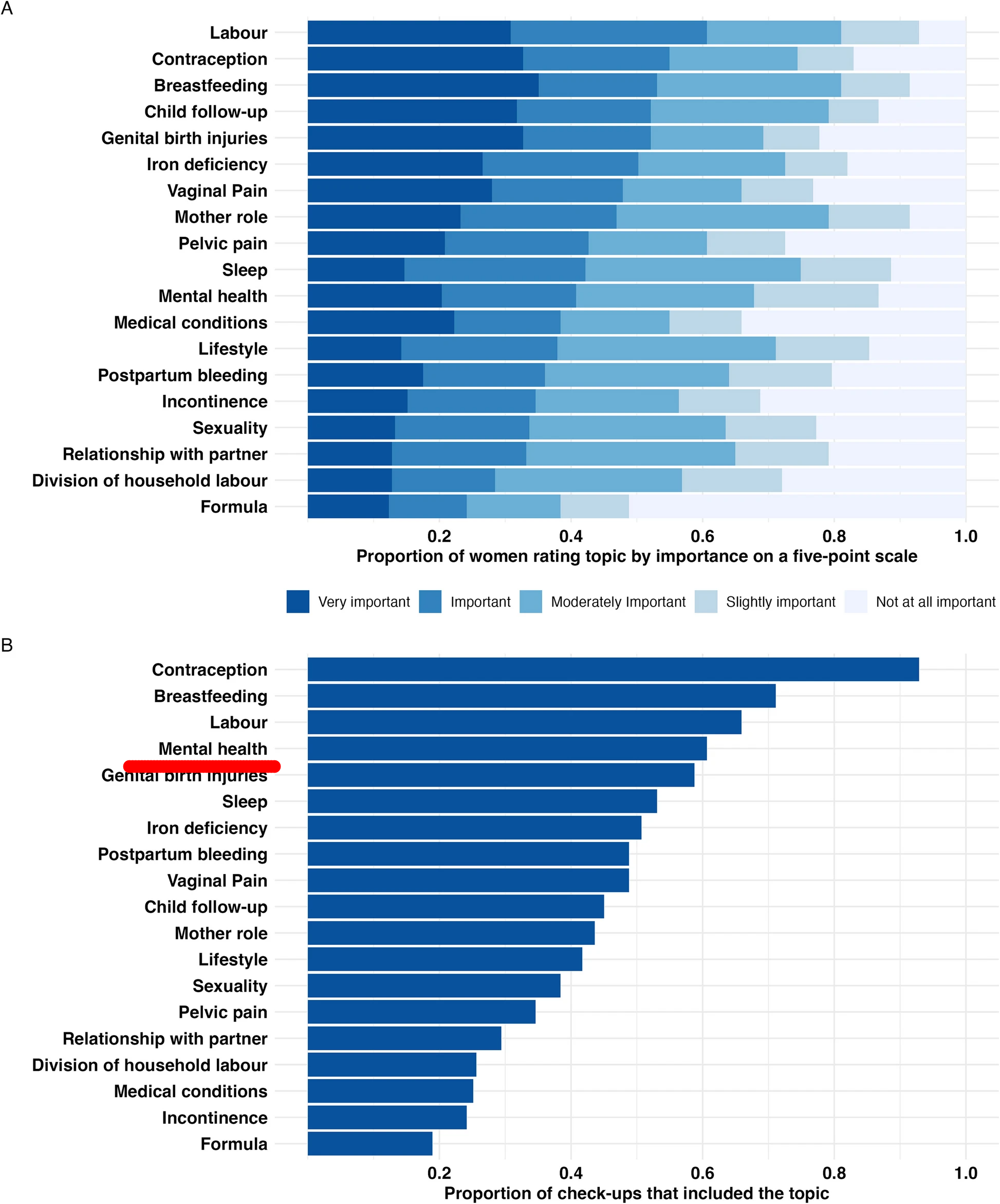 Even With Universal Health Care, Mothers Don't Go To Postnatal Check-Ups
 Happy Twelfth Night - Or Divorce Day, Depending On How Your 2026 Is Going
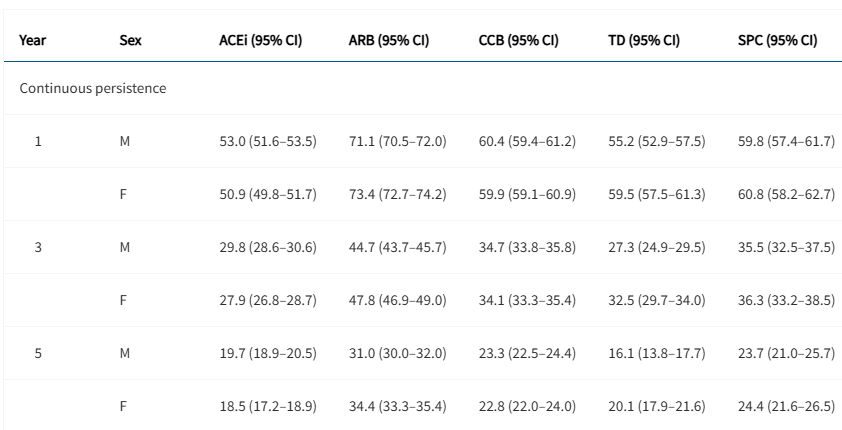 Blood Pressure Medication Adherence May Not Be Cost, It May Be Annoyance At Defensive Medicine