Are you a science undergraduate or graduate student (or even a post-doc) who has discovered you love science but aren't crazy about the idea of doing research in a narrow field?
Science is a big place and there are lots of other ways to be in the world of research without doing research. On February 7th, 2013, Dr. Alex Berezow, microbiologist and editor of RealClearScience, explained how you can transition from the laboratory to the newsroom
in a talk held at the University of Washington.
Obviously many of the insights can apply to anyone in science who wants to do their own outreach as well.
Can you buy leadership?
If you talk to people trying to convince the government to give them more money, the answer is 'yes', even among scientists who know better. Since the cancellation of the Superconducting Supercollider, Americans have been shy about Big Physics - politicians don't trust the projections science makes on if projects can be completed at all, much less on time and on budget. And no one has minded not having Big Physics locally except American physicists, who would rather large colliders be closer to home.
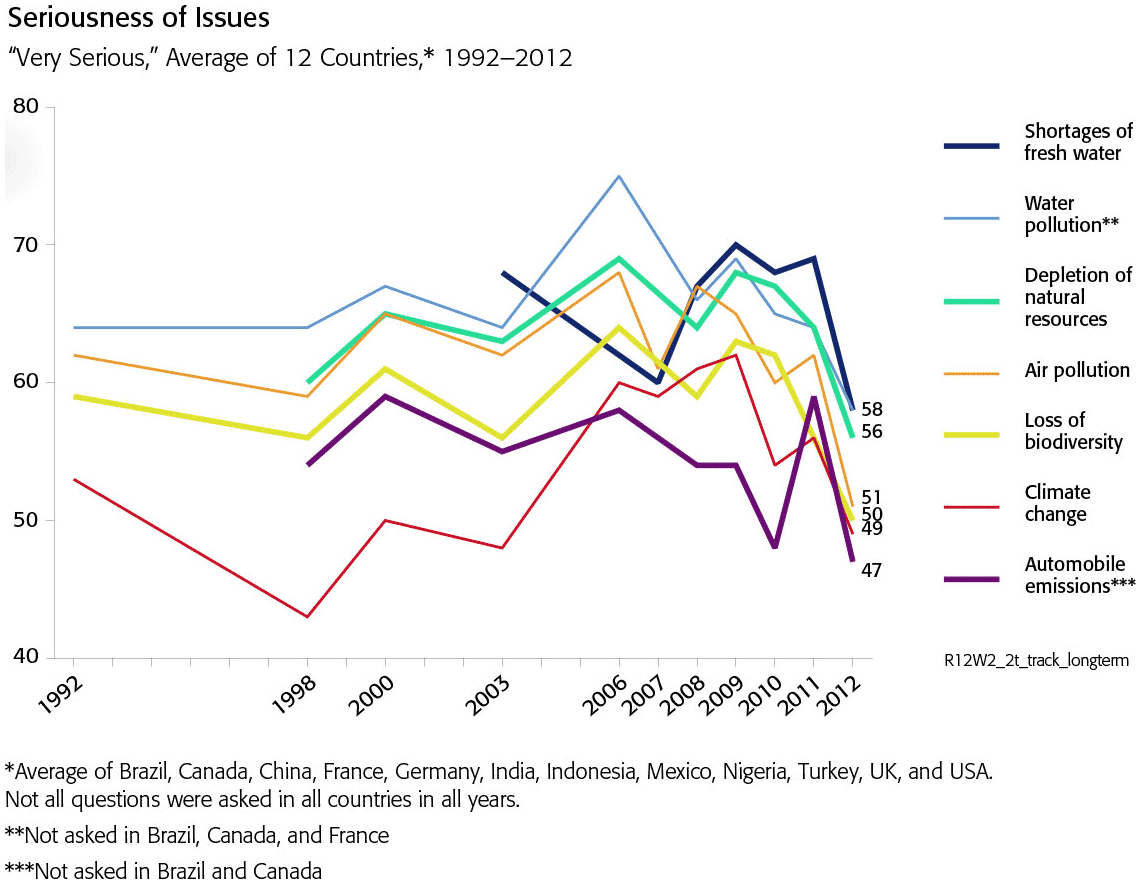
Environmental activists make money telling us all how terrible things are; climate scientists appreciate the help promoting their data, we do have a bit of a train wreck coming at us emissions-wise, but climate scientists also know there is a risk of backlash if there are too many hyperbolic claims, and that 'green fatigue' will set in if every change in temperature and every storm is attributed to global warming. That's why even the IPCC, no wallflower when it comes to using media talking points,
wishes media would not attribute local weather to climate change.
On TVO's The Agenda with Steve Paikin,
yesterday's topic was "The Anti-Science Left" and it starts off with a quote from my book with
Dr. Alex Berezow, called
"Science Left Behind", about the feel-good fallacies that anti-science progressives (and science media pundits who have to defend their political positions) use in order to claim to be on Team Science...but in reality are engaged in the scientization of politics.
As American culture becomes more polarized, with various constituencies aligning themselves on left-right graphs, religious groups are not going to win with a subset of people, even among rational scientists who should be immune from motivated reasoning. If the Catholic church wants to hold a conference on stem cells but doesn't include the controversial and, to-date, wildly overhyped human embryonic stem cell research among its discussions of adult and induced pluripotent stem cell breakthroughs, it's all yelling about Galileo and bans and general political theater on blogs only read by people who need a new shot of confirmation bias.
NASA is hosting a news teleconference to announce black hole observations from its newest X-ray telescope, the Nuclear Spectroscopic Telescope Array (NuSTAR), and the European Space Agency's XMM-Newton X-ray telescope.
This is obviously big news and has been hinted at for a while. Check it out.
The briefing participants are:
-- Fiona Harrison, NuSTAR principal investigator, California Institute of Technology, Pasadena, Calif.
-- Guido Risaliti, astronomer, Harvard-Smithsonian Center for Astrophysics, Cambridge, Mass., and the Italian National Institute for Astrophysics
-- Arvind Parmar, head of Astrophysics and Fundamental Physics Missions Division, European Space Agency


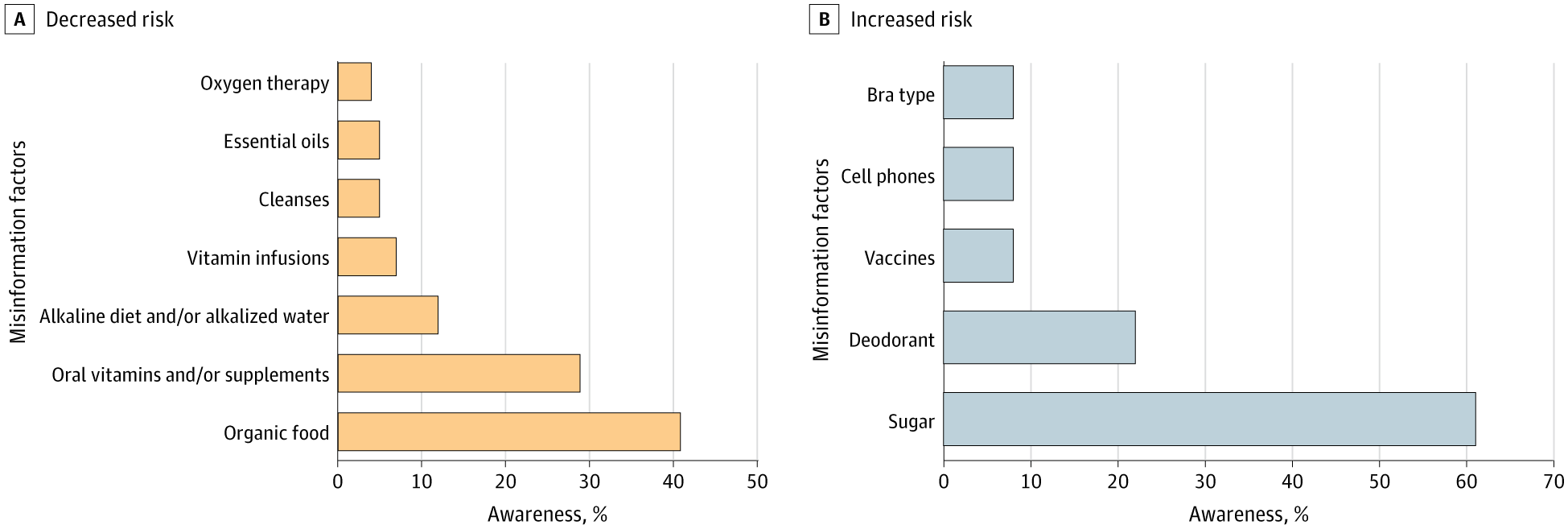 Misinformation Common Among Women With Breast Cancer
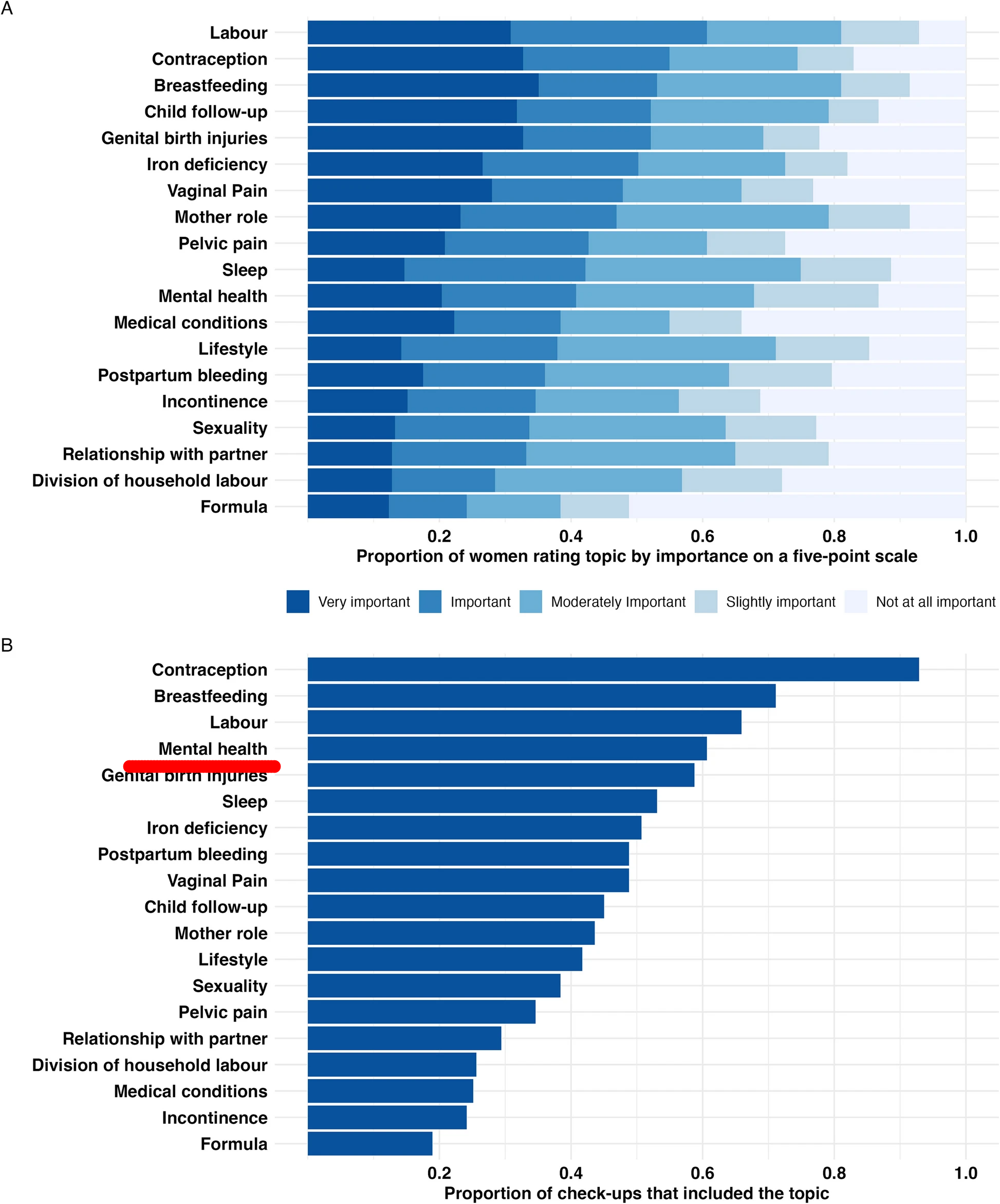 Even With Universal Health Care, Mothers Don't Go To Postnatal Check-Ups
 Happy Twelfth Night - Or Divorce Day, Depending On How Your 2026 Is Going
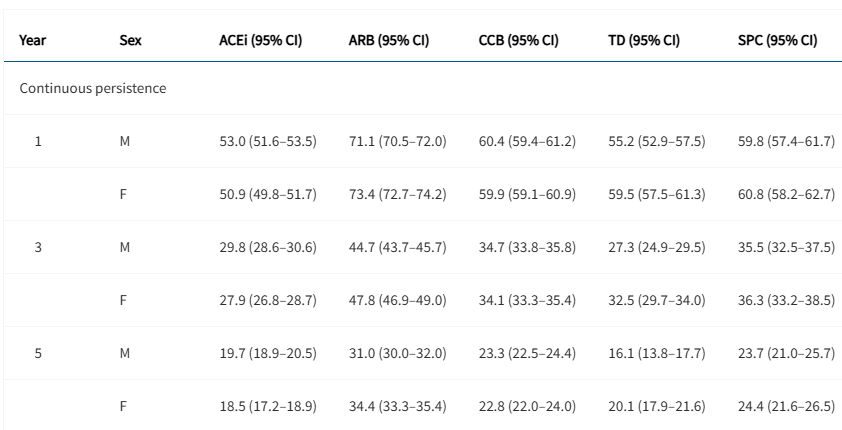 Blood Pressure Medication Adherence May Not Be Cost, It May Be Annoyance At Defensive Medicine