Biology is tricky and evolutionary biology even trickier - in the modern age, with insights into epigenetics, that trickiness and general complexity means virtually any stance you want to adopt on any issue can claim to be 'biological' if you just say something pithy like 'It's a combination of nature and nurture', which is the biology equivalent of amateur political scientists who say 'If only people would talk to each other we could all get along' about foreign relations.
At my kid's graduation party on Sunday I had a chance to meet
Tom Goddard who, it turns out, works on a tool used to look at the spatial organization of chromosomes in the cell nucleus and protein structures determined by electron cryo-microscopy.The tool is called
Chimera (a fun name by any measure) and it is developed/maintained by
the Resource for Biocomputing, Visualization, and Informatics (RBVI) group at UC San Francisco.
"Chagas Disease: “The New HIV/AIDS of the Americas”" screams the headline of an editorial in the open access journal PLoS Neglected Tropical Diseases, written primarily by two principal investigators of a vaccine against Chagas disease - and it has resounded with a thud among the actual people they think they are helping.
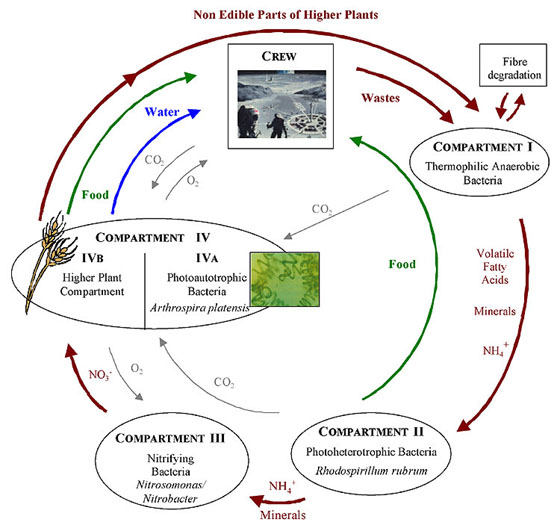
Space is an extremely hostile environment. You knew that, though no one wants to think about exploding instantly as their blood boils without an atmosphere (
or it does not - like
how airplanes fly,
this seems to still be a debate). Most planets aren't all that much better.
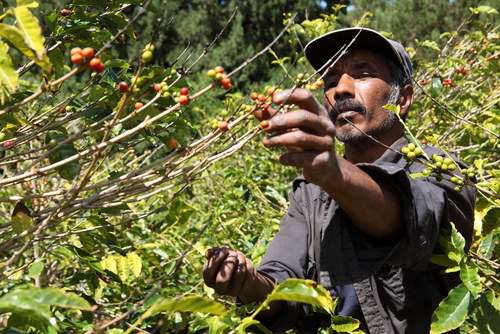
The fair trade movement is in its seventh decade but has an internal problem. Fair trade, as a concept, sought originally to make sure small people got a fair deal - a Mennonite visiting Puerto Rico saw the poverty levels of people there and decided to help them make more money, rather than advocating to give them government handouts (I know, I know, zany religious types).
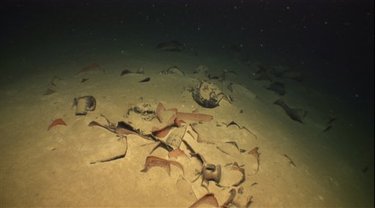
Ancient sunken ships are generally found in shallow water 100 or so, but two Roman-era shipwrecks have been found almost a mile deep in waters off the islands of Corfu and Paxoi, the Ionian Sea between western Greece and Italy.
The wrecks are from the third century A.D. and lend more evidence to the idea that bolder ancient shipmasters did not just stick to coastal routes and ventured into the open sea. Of course, since they are wrecks it also explains why more cautious trade captains absolutely did stick to coastal routes when they could. Smaller vessels such as this, 80 feet long and usually loaded with cargo and not built for open water navigation, liked to be closer to land to save the crew if things went wrong.


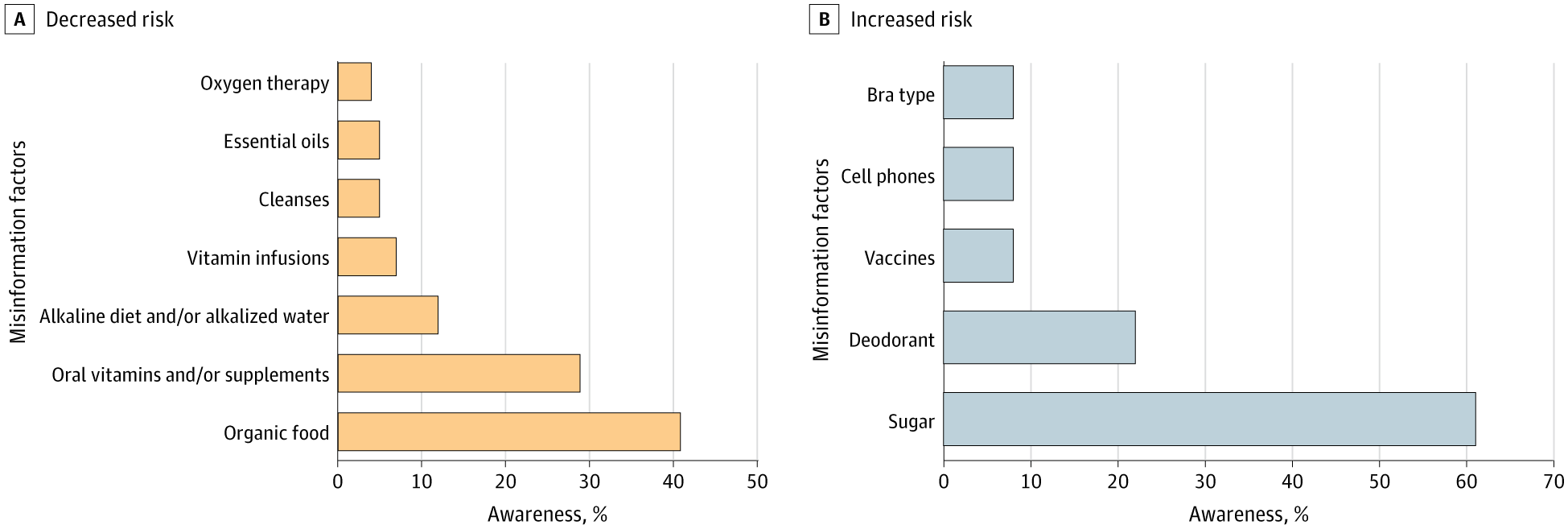 Misinformation Common Among Women With Breast Cancer
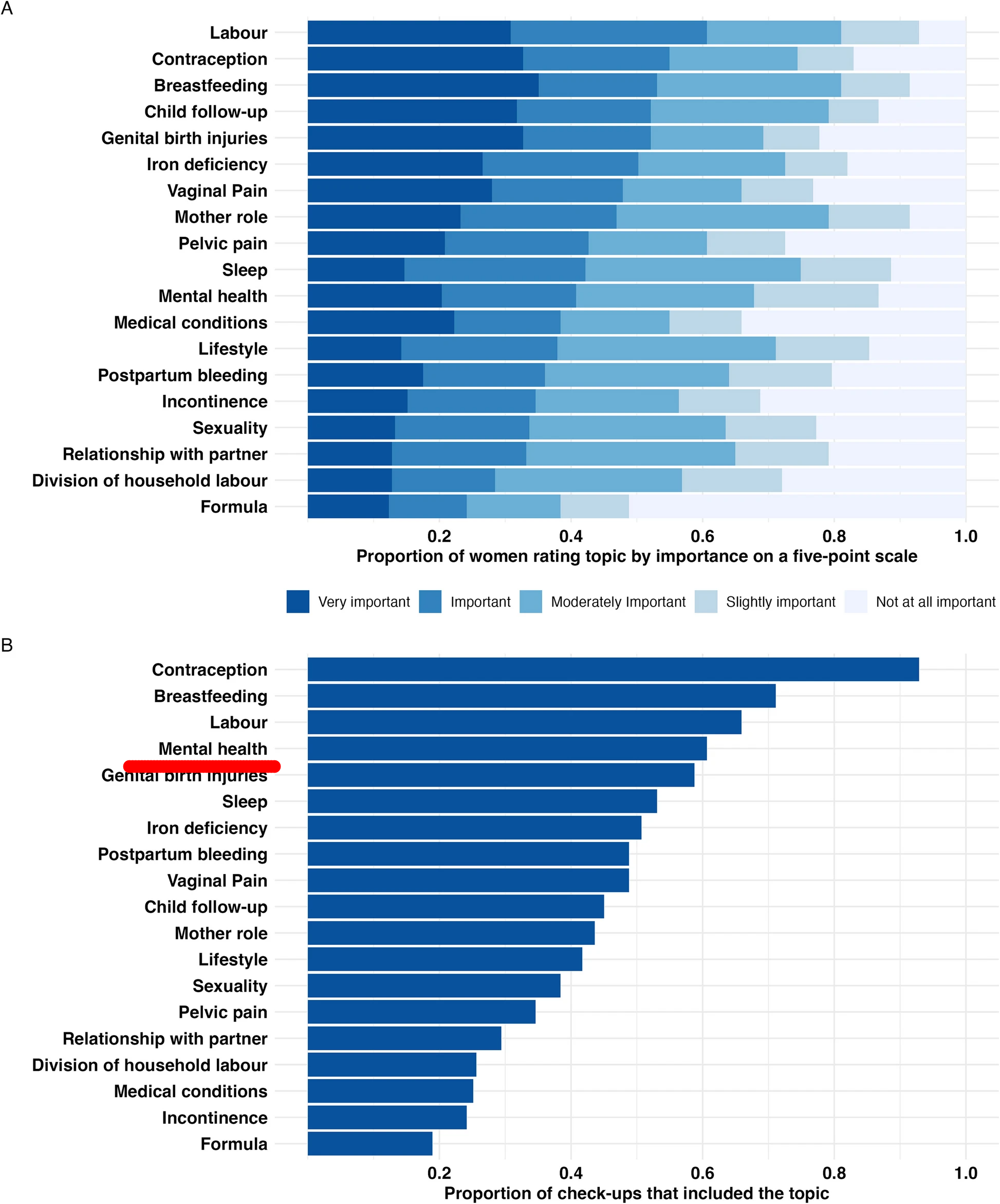 Even With Universal Health Care, Mothers Don't Go To Postnatal Check-Ups
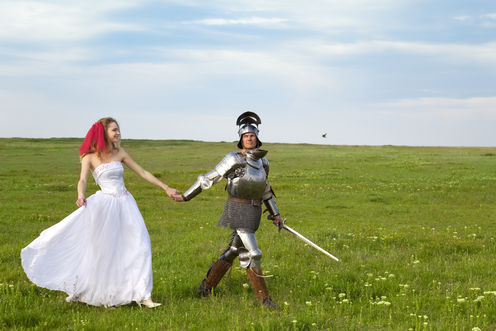 Happy Twelfth Night - Or Divorce Day, Depending On How Your 2026 Is Going
 Blood Pressure Medication Adherence May Not Be Cost, It May Be Annoyance At Defensive Medicine