Fake Banner
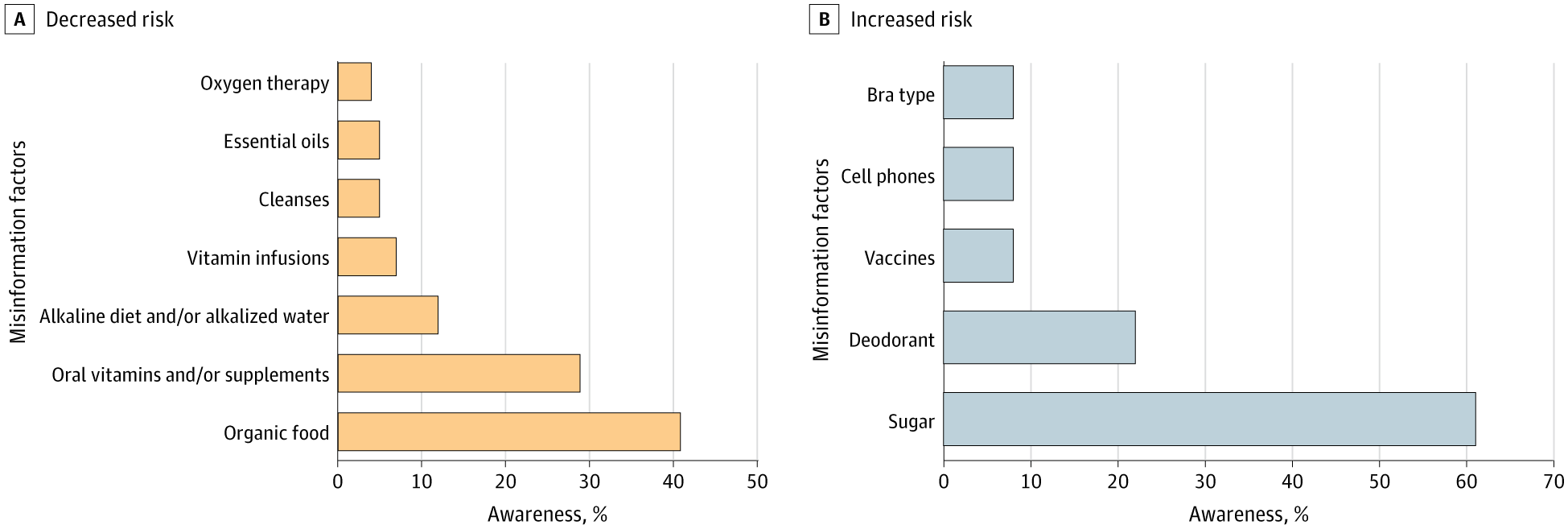
Misinformation Common Among Women With Breast Cancer

Vaccines are getting American media attention now that Republicans are engaging in misinformation...
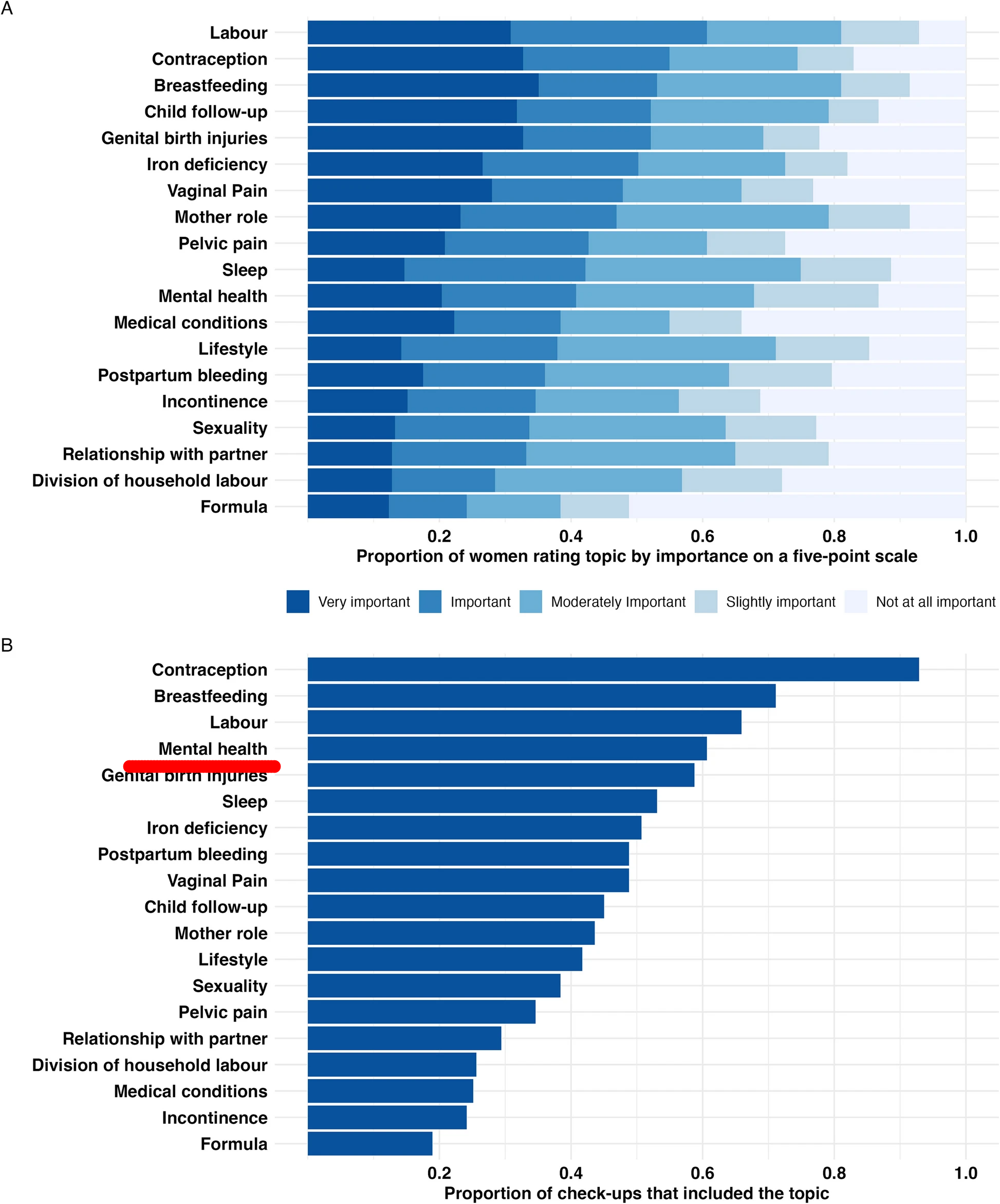
Even With Universal Health Care, Mothers Don't Go To Postnatal Check-Ups

For decades, health care costs have been a political topic in America. Advocates argue it is the...

Happy Twelfth Night - Or Divorce Day, Depending On How Your 2026 Is Going

Today is, in Christian observance, Twelfth Night, the end of The 12 Days of Christmas in that song...
Blood Pressure Medication Adherence May Not Be Cost, It May Be Annoyance At Defensive Medicine

High blood pressure is an important risk factor for developing cardiovascular disease and premature...

User picture.
picture for Fred Phillipspicture for Tommaso Dorigopicture for Hontas Farmerpicture for picture for Patrick Lockerbypicture for Ilias Tyrovolas
Hank CampbellRSS Feed of this column.

I founded Science 2.0® in 2006 and since then it has become the world's largest independent science communications site, with over 300,000,000 direct readers and reach approaching one billion. Read More »

Blogroll
In Proofiness - How Gender And Pay Statistics Are Used To Do Bad Things, I noted that some of the statistics regarding gender and pay in science were misconstrued to make it look like science academia is sexist as opposed to simply being unequal in places.  
This afternoon we had the first formal meeting for product planning of the Science 2.0 television pilot.  

As you can imagine, there was talk of technical details, how the creative guys will set up the shot lists and storyboard the segments, what segments we will use, and then some of the philosophical stuff.

Like, what will make Science 2.0 a science show for the next century?

I told the agency and the producer what a fond recollection U.S. scientists of today have for shows like "Nova" and Carl Sagan's "Cosmos" - but noted that at the time, those were not regarded as stodgy, traditional ways of doing science on television, they were cutting edge.
Proofiness, slightly different than Stephen Colbert's truthiness, is basically finding statistics you want to believe to enhance your confirmation bias.  It was coined by Charles Seife, a long-time science writer who teaches journalism at New York University, because he was outraged at skewed representation on both sides of the aisle, like Al Gore for cherry-picking data about global warming and George Bush for cherry-picking data about how tax refunds would save poor people money.   He wrote a book on it called "Proofiness: The Dark Arts of Mathematical Deception" to clobber everyone he found doing it.
I wrote an article talking about the spate of "X is awesome" and "Y is bad for you" articles that came out every year and even had a little quiz asking people if they could identify what superfood and/or remedy was popular in years I had edited out for brevity.

So if you were on a sugar diet, or a red wine diet or an acai berry diet, I know what year you read health magazines.   

Some skepticism is warranted - you will find any number of studies here correlating antioxidants to health benefits.(1)  There's just one problem - there isn't any actual evidence antioxidants help you at all.
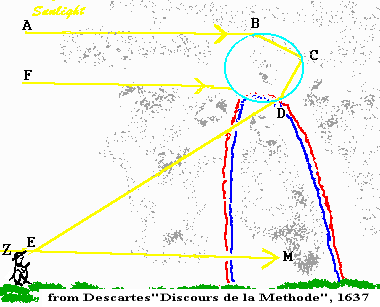
My wife and I once saw a rainbow and we discussed how it happened. She listened somewhat patiently for the first few sentences and then told me I was spoiling the magic of the rainbow, like it was somehow less romantic if she knew how it happened.(1)

Men, you are with me on this; she has a man who can make a rainbow for her any time she wants - and will. That's a higher order of romantic, I think you will agree. Plus, I have to defend all rainbow-making men and note that because my rainbow is a special distribution of colors whose reference point is her eyes, no one else will ever see it. Is it literally for her eyes only.
Some stereotypes are self-reinforcing.   If someone tells you over and over that you are oppressed, if you hit an obstacle and fail, like all of us do at some point in our lives, a convenient excuse is that you are discriminated against.(1)

There is zero data showing women are discriminated against in science, math or engineering - none.   But because there used to be far more men and those men were not lined up against the wall and shot to make room for women in faculty, the claim is that science academia is still prejudiced against women.