Fake Banner
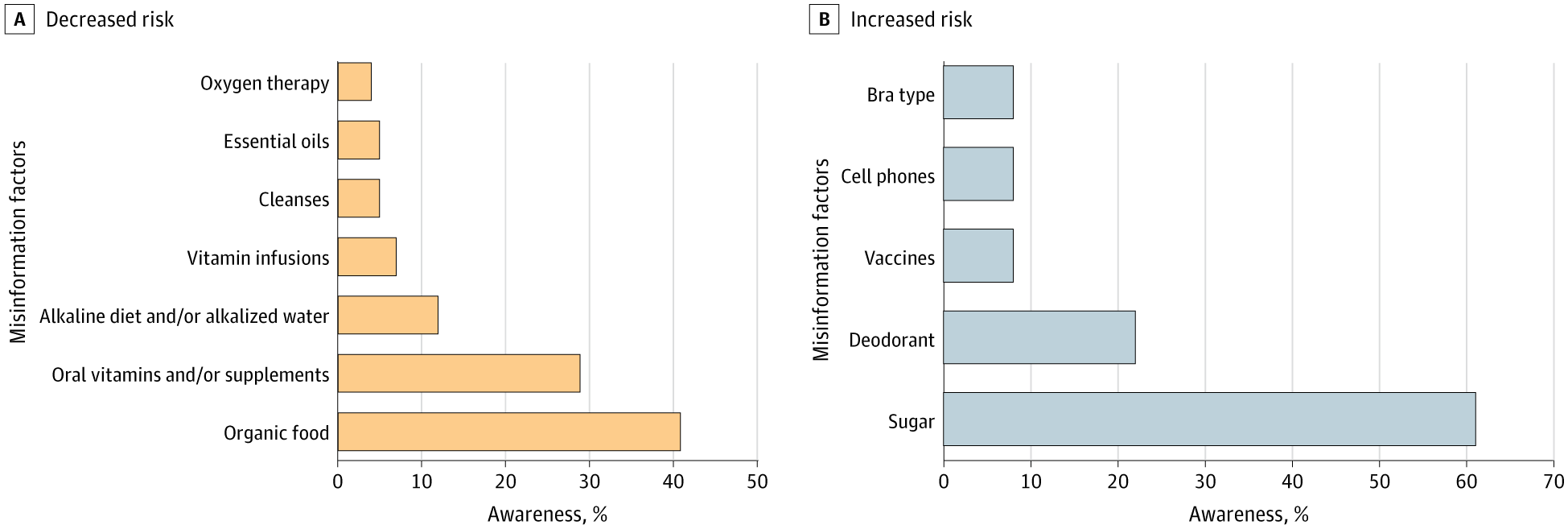
Misinformation Common Among Women With Breast Cancer

Vaccines are getting American media attention now that Republicans are engaging in misinformation...
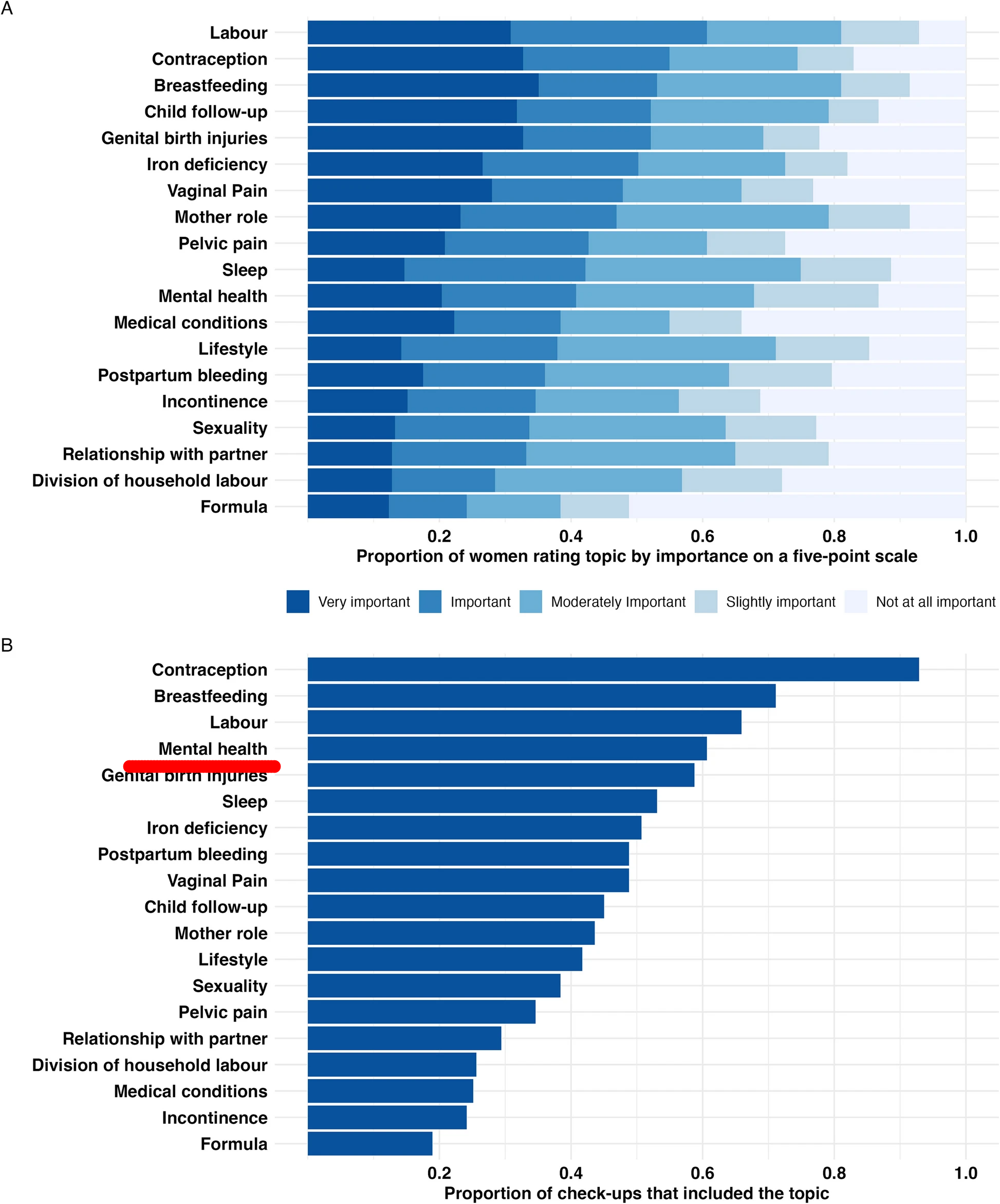
Even With Universal Health Care, Mothers Don't Go To Postnatal Check-Ups

For decades, health care costs have been a political topic in America. Advocates argue it is the...

Happy Twelfth Night - Or Divorce Day, Depending On How Your 2026 Is Going

Today is, in Christian observance, Twelfth Night, the end of The 12 Days of Christmas in that song...

Blood Pressure Medication Adherence May Not Be Cost, It May Be Annoyance At Defensive Medicine

High blood pressure is an important risk factor for developing cardiovascular disease and premature...

User picture.
picture for Fred Phillipspicture for Tommaso Dorigopicture for Hontas Farmerpicture for picture for Patrick Lockerbypicture for Ilias Tyrovolas
Hank CampbellRSS Feed of this column.

I founded Science 2.0® in 2006 and since then it has become the world's largest independent science communications site, with over 300,000,000 direct readers and reach approaching one billion. Read More »

Blogroll
With the end of the space shuttle, we may also be seeing an end to manned space travel as a science endeavor.  I am not saying we shouldn't send people into space, we certainly should, but it should be just that - a bold voyage into the unknown and not rationalized with science, where it is not a very good one.  Robots are cheaper and better and the Congressional hearings are less messy if a robot dies.

President Obama likely agrees about robots, since he canceled the manned successor to the space shuttle, the Constellation project and there is no valid replacement in sight.
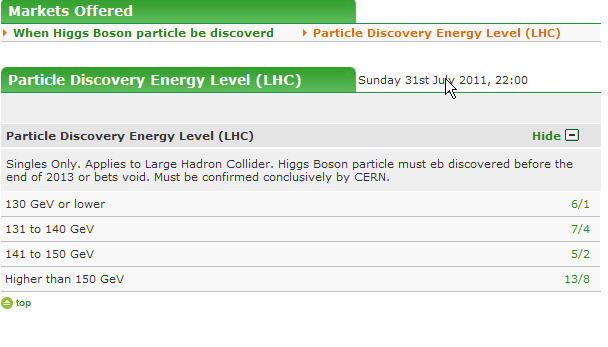
The LHC and its lower-energy counterpart in the US, Tevatron, have reported some important Higgs news this past week - details of six searches for the Standard Model Higgs boson at CERN and another in Chicago coming up.
Norway just had a tragedy - the kind of random violence that social scientists, who we all wish would take a holiday during horrific events, will try and find correlation and causation for, like he was right wing or he was left wing or he was angry about farm prices or a video game store didn't having something he wanted or even that he didn't get enough sex, once evolutionary psychologists dive in.
 
As I wrote in Like Freedom? Thank A Scientist - How Science Made America Possible, during the meetings of the the Continental Congress during independence discussions, Thomas Jefferson noted the temperature on four separate occasions.  Jefferson, like many others present, was a citizen scientist long before there was government funding for it.   The same climate of liberalism (liberals, not busybody progressives, as I have stated too many times to count) that makes science flourish made democracy possible.
One aspect of journalism that has led to a sense of entitlement among the public, and certainly those who have dissenting opinions, is the idea of 'balance' in media coverage.   That is, showing both sides.

While balance is certainly fair, is it accurate and is it doing a service to the reader?  Are anti-GMO activists as legitimate as all of the scientists in the field?   Are anti-vaccine activists as legitimate as all of medicine?  How about homeopathy proponents?

How about climate change?
The Redemption of Gus Grissom

The 50th anniversary of Alan Shepard's flight, the first American in space, was something of a big deal in pop culture.  The 50th anniversary of John Glenn orbiting the Earth, arriving this winter, will likely be a much bigger deal because Sen. Glenn has a lot of name recognition.

But between them in aerospace history, chosen to be among the "Mercury 7" test pilots who were picked when NASA was just six months old and who risked their lives flying into the great unknown, is a guy who doesn't get enough respect.