Conservatives, who generally agree on the value of individual freedom, want the government to limit marijuana. Progressives, who generally agree on the value of big government, don't want the government to limit marijuana.
Conservatives, who generally agree on the merits of capitalism, like genetically modified organisms, as long as they aren't researched using human embryonic stem cells and curing people of serious illnesses. Progressives, who generally dislike capitalism unless it is the magical sort that works in a world where regulation of fossil fuels and mandates and subsidies for lousy alternative solutions from 1600 A.D. will still allow capitalism to flourish, dislike genetically modified organisms because they hate science.
Quantum entanglement was strange when it was conceptualized. It violated Einstein's famous speed limit in his Theory of Relativity and he called it
spukhafte Fernwirkung - “spooky action at a distance” and sought to note the flaws in
Heisenberg's uncertainty principle and the
Copenhagen interpretation. The result was the Einstein–Podolsky–Rosen paradox.
Addiction is a beast, I am told. Perhaps I am addicted to coffee - I have given it up on occasion for a few months, like I have meat, pastas and breads, but never quit like people quit smoking or heroin. If it's my only vice, and it would seem to be, that is likely not so bad.
Pathology is something else. Some people say addiction is a disease, as in people who pathologically lie. What about pathological coffee drinking?
Writing at the Washington Post's Capital Weather Gang blog, Jason Samenow
advocates an idea he recently saw pitched by atmospheric scientist Alan Betts, namely that science studies be accompanied by layperson explanations.
If Hollywood movies are your science guide,
outer space is populated primarily by hot vampire girl aliens and time travel is not only possible, but chicks will dig you more, the same way women today would like a man in a powdered wig and no bath for three days if he suddenly appeared from 1811.
(1)
Science hates to be a buzzkill but often must - having sex with someone from the future might shorten your lifespan, thanks to antagonistic coevolution.
When is a multi-million dollar business that charges money before a science article can be seen by the public superior to another multi-million dollar business that charges money before a science article can be seen by the public?
Apparently only if they claim to be non-profit.
Scientists are not business people so it is easy to understand why anyone would confuse non-profit status with "doesn't make money". They all want to make money. So if one publisher can charge you $1,200 to buy out the copyright and another charges readers $150 to read science, who is superior?
It basically only depends on who you like.


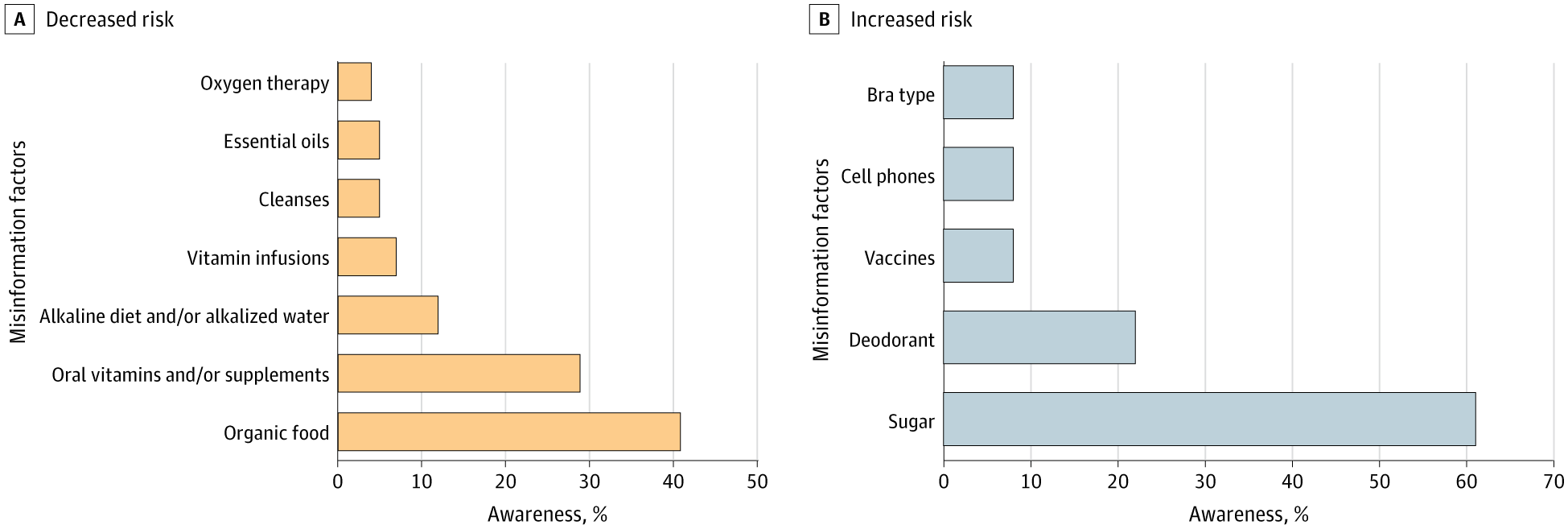 Misinformation Common Among Women With Breast Cancer
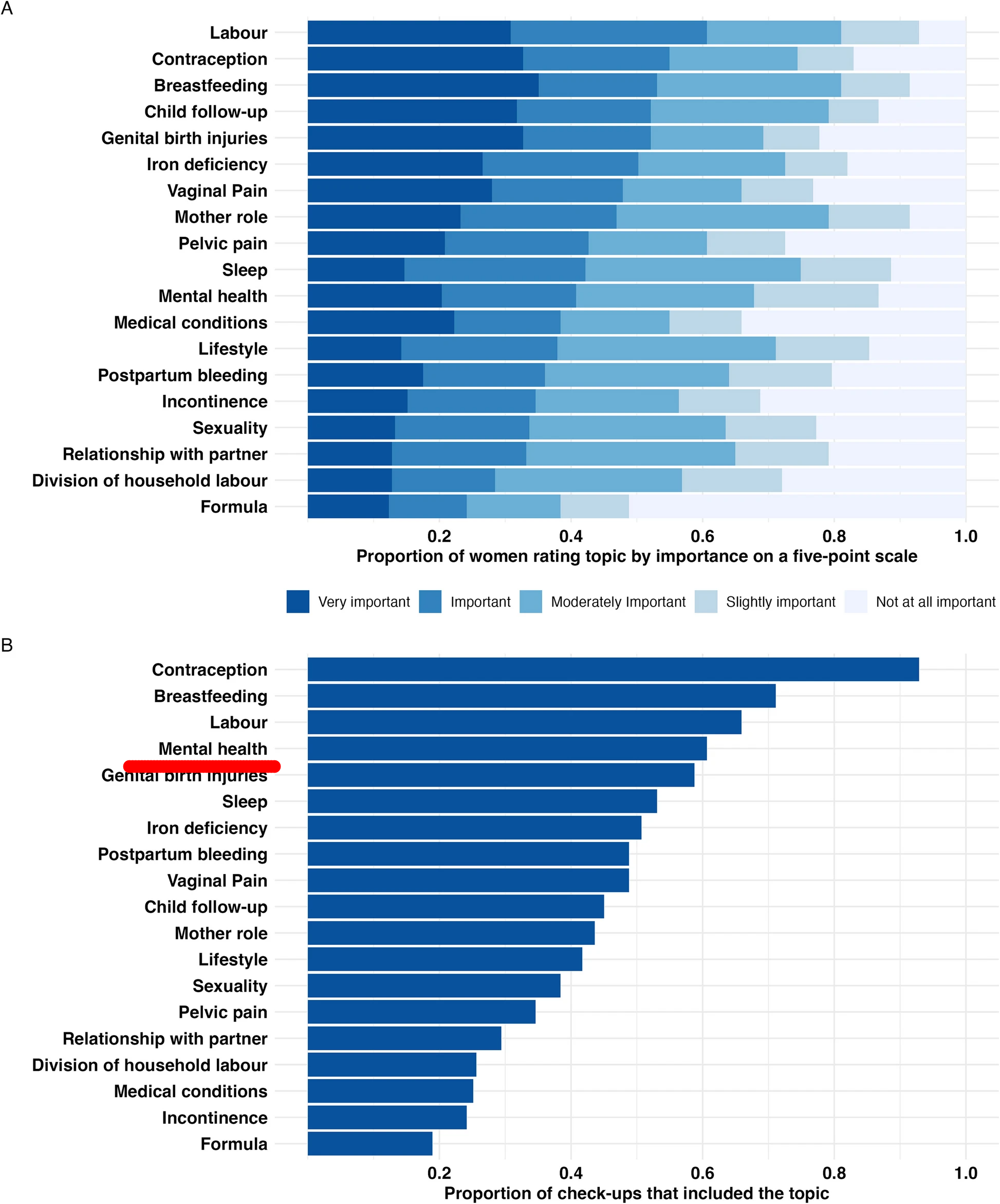 Even With Universal Health Care, Mothers Don't Go To Postnatal Check-Ups
 Happy Twelfth Night - Or Divorce Day, Depending On How Your 2026 Is Going
 Blood Pressure Medication Adherence May Not Be Cost, It May Be Annoyance At Defensive Medicine