You've seen it everywhere by now -
Earth's sixth mass extinction: Is it almost here? and other articles discussing an article in Nature (471, 51–57 doi:10.1038/nature09678) claiming the end of the world is nigh. Hey, I like to live in important times. So do most people. And something so important it has only happened 5 times in 540 million years, well that is
really special. But is it real?
Blogging has been around since the late 1990s and email (effectively) for a decade prior to that - both are now on the wane, according to recent claims (
email by social media and
blogging by...social media again) and while it's true I wouldn't start a standalone email company today, having it as part of a suite seems like a good idea. Since practically the day we began we have had @science20.com email addresses available to columnists and featured authors but one more email address is not really helping most people.
One time on a dreary (particularly dreary- 300 of them a year are rather so) Seattle afternoon I was approached by a hobo(1) so I gave him some money and asked him, since he clearly had no place better to be, "Just curious, but if you are going to be homeless, why Seattle? Why not pick some place like San Diego where the weather is good? This has to be miserable for you."
His reply; "I have family here."
!!!
If we're being honest in retrospect, the first decade of the 2000s was bad for science journalism. Too many journalists decided they wanted to be cheerleaders for science or, worse, had scientist envy and wanted to be included in cool discussions about the mysteries of the universe.
Basically, journalists stopped asking the awkward questions of scientists that journalists in other fields know makes their careers (see: Dan Rather and Richard Nixon). Result: While the science audience is up and science knowledge has tripled since 1988, jobs in science journalism are down. Few people read them.
Try going into a hospital room to see a newborn baby without using that annoying hand sanitizer stuff - the Frankenstein monster had an easier time with angry villagers than you will have with concerned hospital staff and family members. The hospital staff I can understand - they know people are looking for a reason to sue. Family members are more of a puzzle.
Weren't they kids once? You have to eat a little dirt to be healthy, people.
A group of German archaeologists have set off to find a priceless ancient treasure and I'd rather they not get it. Sounds like the plot of "Raiders of the Lost Ark" right?
As smashing as I look in a Stetson fedora, the reality involves no Nazis or theological death rays, instead it involves 2,156 gold tablets on which the Maya recorded their laws, which may be buried in Guatemala's Lake Izabal. But the reality does involve a treasure map, which is always fun.
Mayan expert Joachim Rittsteig claims to have thoroughly studied the Dresden Codex, a pre-Columbian Maya book which contains most of what we know about Mayan Culture, and says it details the location of this treasure.


 Happy Twelfth Night - Or Divorce Day, Depending On How Your 2026 Is Going
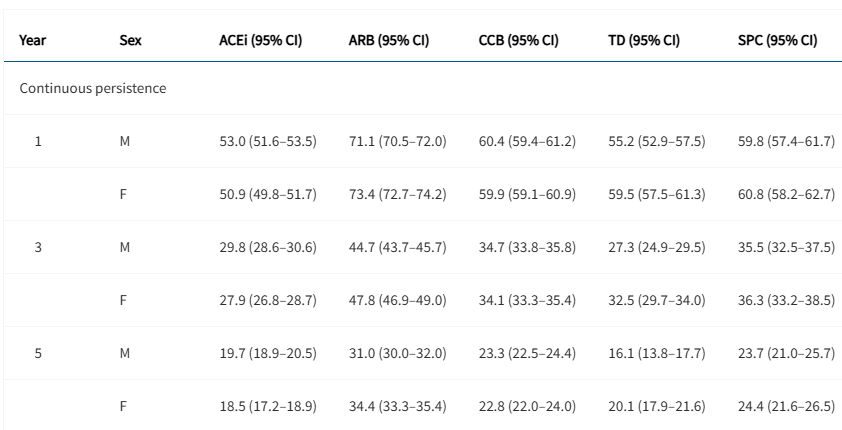 Blood Pressure Medication Adherence May Not Be Cost, It May Be Annoyance At Defensive Medicine
 On January 5th, Don't Get Divorced Because Of Hallmark Movies
 Does Stress Make Holidate Sex More Likely?