Fake Banner
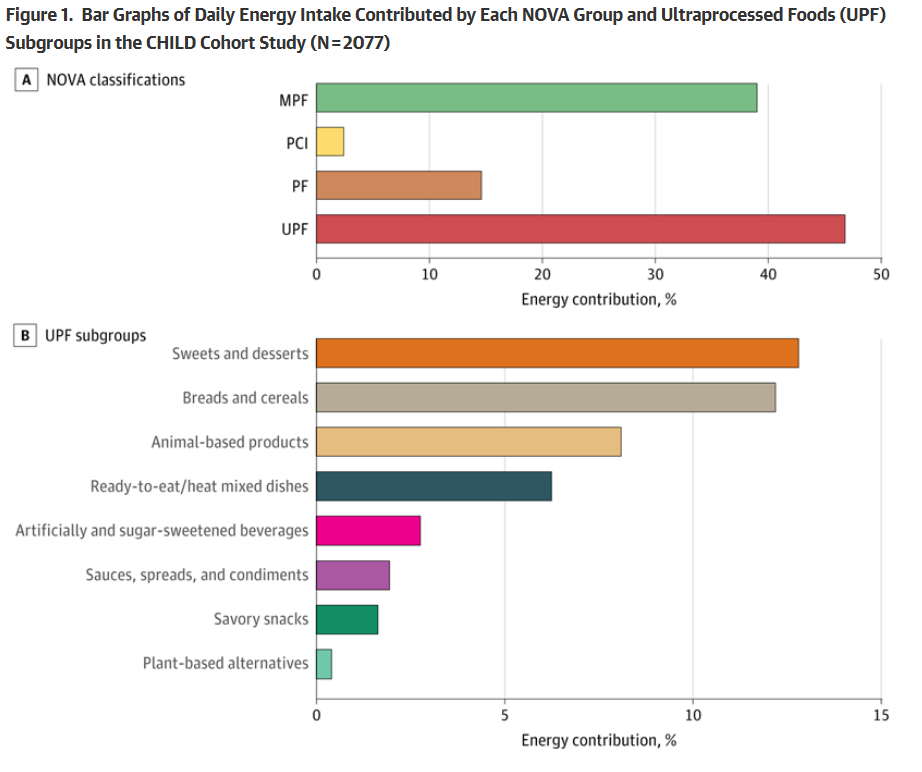
Canadian Epidemiologists Claim Processed Foods Cause Bad Kids

A cohort analysis of preschoolers in Canada has led the authors of the paper to call for bans...
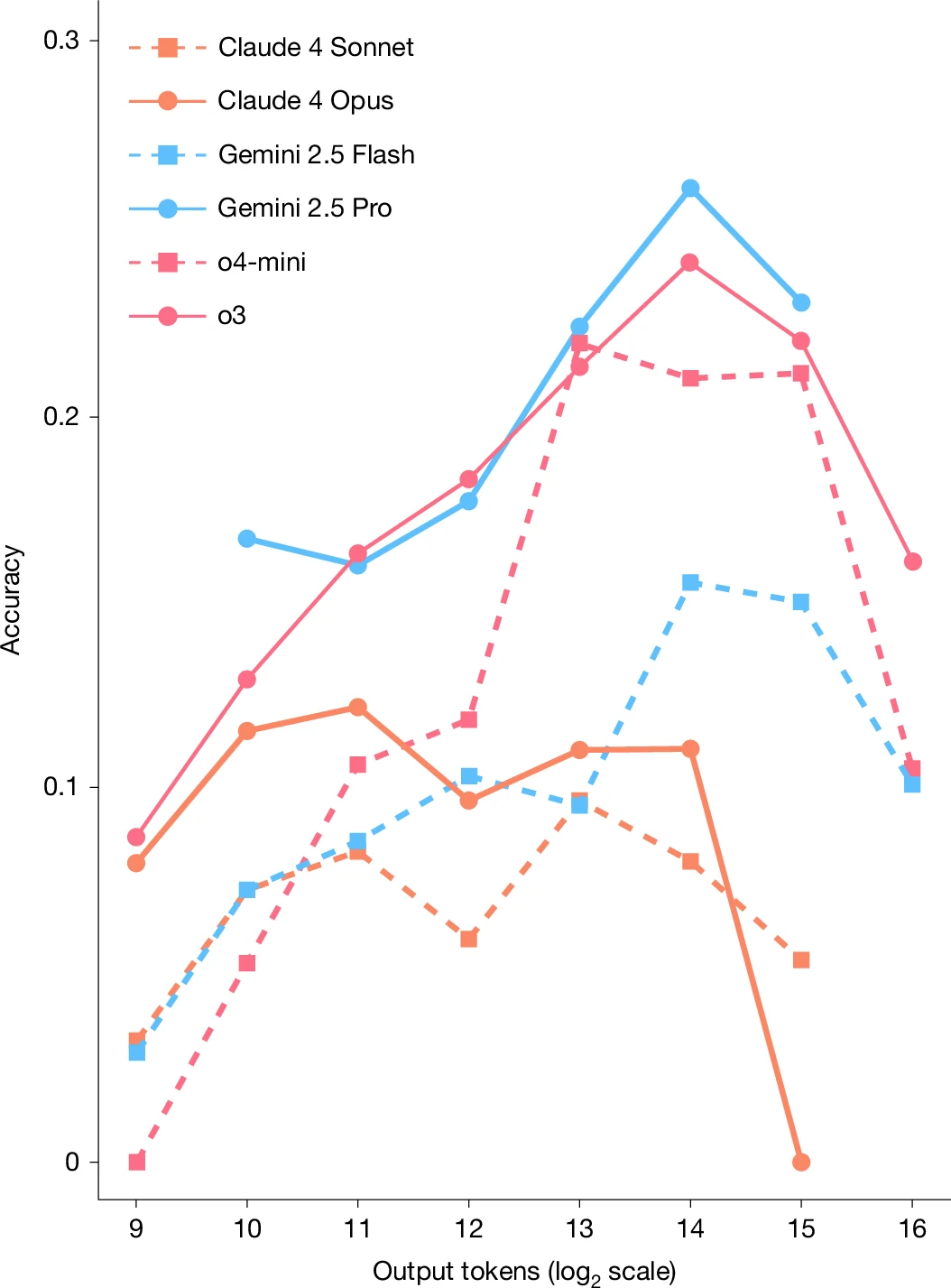
What AI Can't Do: Humanity’s Last Exam

By this time 26 years ago, the "Dot-Com Bubble" was ready to burst. People who wanted to raise...

Does NBA Income Inequality Impact Team Performance?

A new paper says that players where a few superstars get the money leads to less cooperation and...
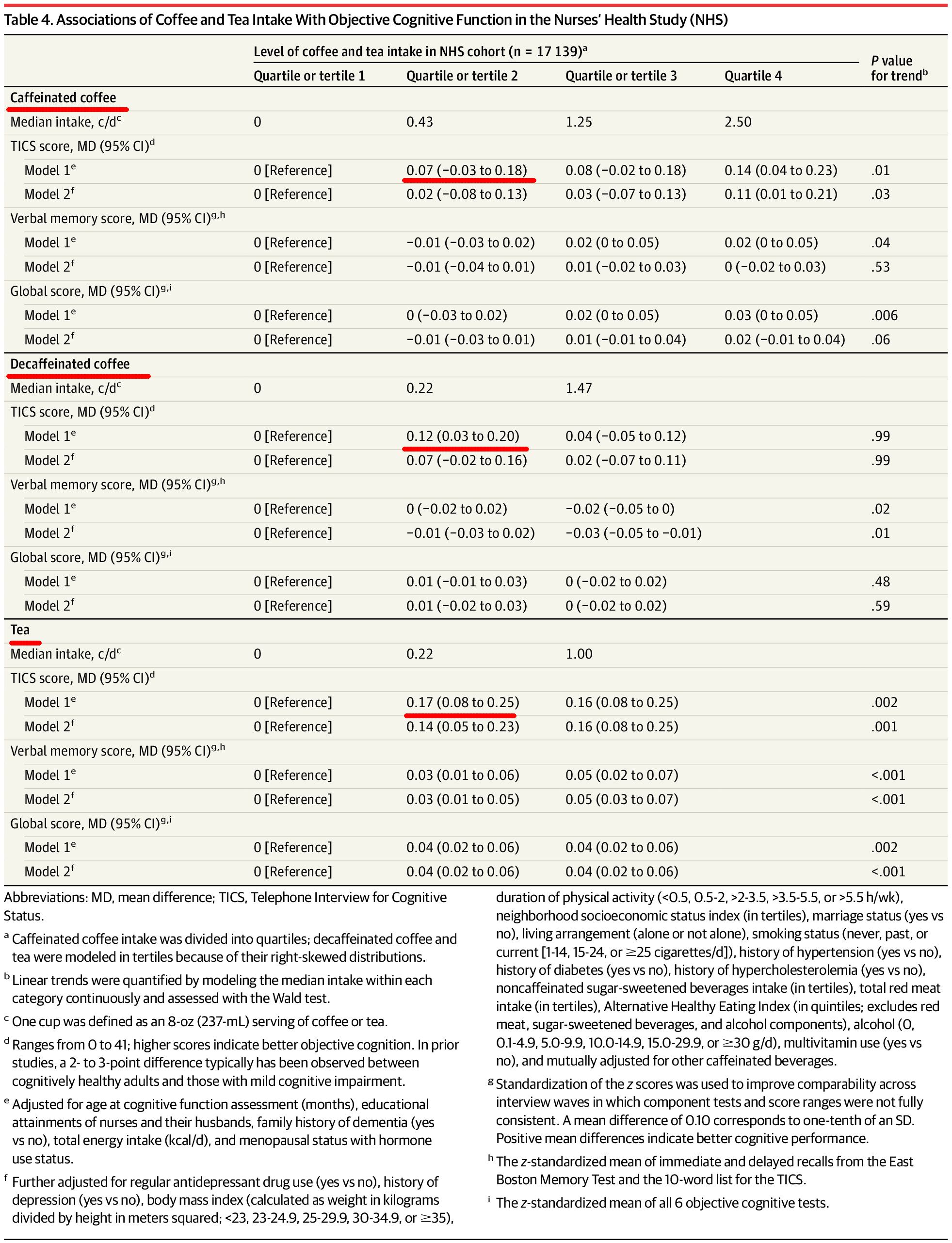
Dogs And Coffee: Finally, Epidemiology You Can Trust

In 2026, it is easy to feel intellectually knocked around by all of the health claims you read...

User picture.
picture for Tommaso Dorigopicture for Hontas Farmerpicture for picture for Fred Phillipspicture for Atreyee Bhattacharyapicture for Patrick Lockerby
Hank CampbellRSS Feed of this column.

I founded Science 2.0® in 2006 and since then it has become the world's largest independent science communications site, with over 300,000,000 direct readers and reach approaching one billion. Read More »

Blogroll
Abbott Laboratories, the $40 billion conglomerate involved in pharmaceuticals, medical devices and supplements such as Similac and Ensure, has stated they will create a GMO-free version of Similac for parents who worry about GMOs inside their kids.

They cited a survey showing 20 percent of respondents wanted that option. The survey also noted that wealthier people in places like California and the Northeast were willing to pay more. Almost all baby formula uses corn and soy derivatives and more than 90 percent of those crops are GMOs, so  this will be for niche consumers who don't regard cost as an object.
Have you been avoiding Taco Bell because of the Yellow No. 6 dye in its nacho cheese? 

Of course not. And if removing that or carmine from its red tortilla chips means you will suddenly think their food is healthy, you are being educated by advertising.

Which is just what they are hoping.

There is nothing healthy about Taco Bell or Pizza Hut or Chipotle yet they have all delivered similar intellectual placebos to the public in order to boost sales. And it's working, or at least they think it is working, since more and more junk food chains attach this health halo to their products because supposedly consumers are demanding it. Whether that turns out to be virtual money or real money is the question.
Like organic food, open access publishing has shrouded itself in a cultural halo, but it's still a business. No one is pumping out 40,000 articles per year, most of them with just a few check boxes called 'editorial review', because the 40,000 best articles happened to show up in their Inboxes, they do it to keep the lights on.
If you like mummies (and who doesn't like mummies?) you are in luck: The Anatomical Record has a special issue with 26 articles devoted to them, all open access. You may not leave the house this weekend.
A paper in Science has been retracted - by the senior author. Because he did not know the data in his paper was fake.

Whether that makes political science or the peer review system look worse will be a matter of debate.
Candor from Monsanto C-level people is downright refreshing - and it's new.  In seeking to perhaps take over Syngenta, they recognize they may want to do things differently than they did when they rolled out GMOs.

GMOs were already the future 20 years ago. They had been successful with insulin and had saved the rainbow papaya in Hawaii when breeding techniques, land management, and chemicals could not. It made sense to help corn and soybeans use less pesticides, grow better, and help us all benefit from environmental strain.