Fake Banner
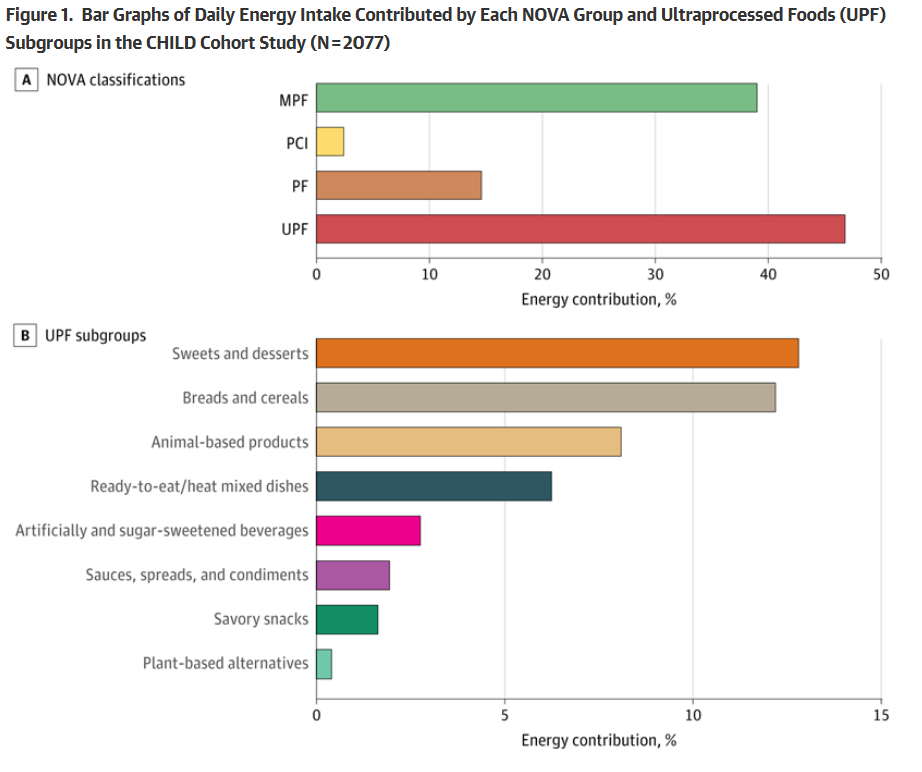
Canadian Epidemiologists Claim Processed Foods Cause Bad Kids

A cohort analysis of preschoolers in Canada has led the authors of the paper to call for bans...
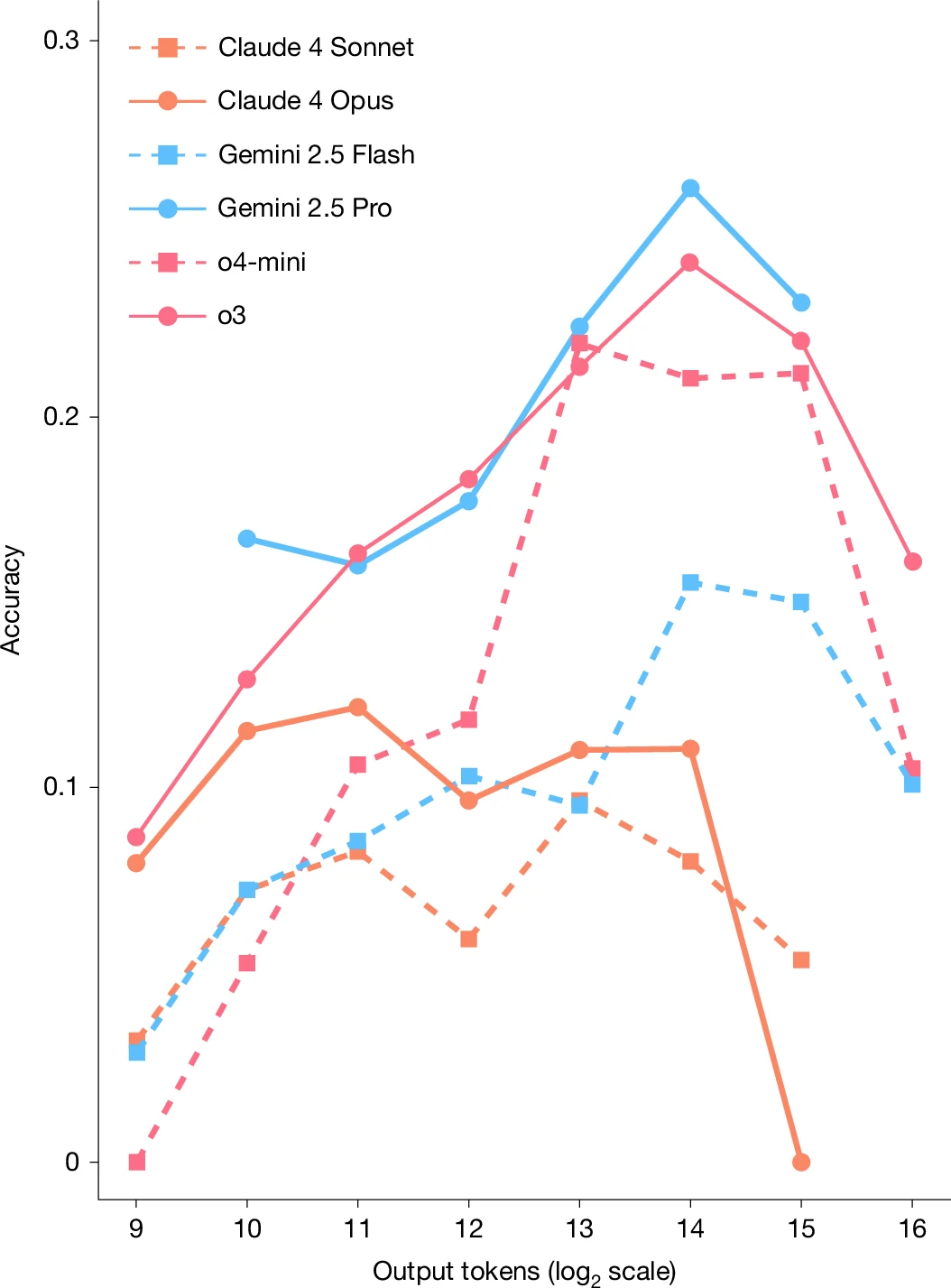
What AI Can't Do: Humanity’s Last Exam

By this time 26 years ago, the "Dot-Com Bubble" was ready to burst. People who wanted to raise...

Does NBA Income Inequality Impact Team Performance?

A new paper says that players where a few superstars get the money leads to less cooperation and...
Dogs And Coffee: Finally, Epidemiology You Can Trust

In 2026, it is easy to feel intellectually knocked around by all of the health claims you read...

User picture.
picture for Hontas Farmerpicture for picture for Tommaso Dorigopicture for Fred Phillipspicture for Atreyee Bhattacharyapicture for Patrick Lockerby
Hank CampbellRSS Feed of this column.

I founded Science 2.0® in 2006 and since then it has become the world's largest independent science communications site, with over 300,000,000 direct readers and reach approaching one billion. Read More »

Blogroll

A previously unnamed species of horse fly has been named in honor of American pop singer Beyoncé Knowles. Beyoncé just had a baby but this horse fly business is probably the best gift of all. 

Well, maybe not, the baby might be more important to her, since she and husband Jay-Z had bulletproof glass and bodyguards put in place at the Upper East Side Lenox Hill hospital where the delivery occurred and I bet the fly doesn't have any bodyguards at all.  

Ari Levaux, a food columnist, wrote about genetically-modified organisms (GMOs) in The Atlantic. Fair enough, it is a hot-button issue among anti-science progressives and they need to sell pageviews over there so it isn't much of a surprise.  He's a syndicated columnist so they don't check his stuff in advance but I guess the fact that he does restaurant reviews for the Albuquerque Weekly Alibi is good enough for them to trust his take on complex biology topics.(1)
It's often the case that when something claims to cure everything, a little skepticism is warranted.  We have dozens of articles here on Resveratrol but over time the titles began to reflect growing disbelief it could be that perfect.  By the time it received gushing endorsements from Dr. Oz. and the other Four Horsemen of the Alternative (Gupta, etc.) we were crafting titles like Resveratrol - 2009's Miracle Compound Du Jour.
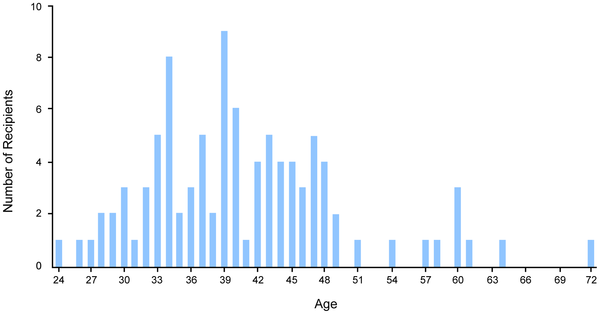
A new study has used an interesting metric to highlight their concern about a disconnect between government funding of biomedical research and young investigators; Nobel Prizes. 

As has been noted here numerous times, and by me at various talks, the average age of biomedical researchers getting their first grant from the National Institutes of Health (NIH) in 2008 was 42, a substantial change from even the decade previous. Over the past 30 years, the article notes, the average age of Nobel winners when they performed their research was 41. That's a concern, says Kirstin Matthews, a fellow in science and technology policy at the Baker Institute and first author of the paper in PLoS One.
Solar photovoltaic (PV) mass-market polycrystalline panels are typically about 15% efficiency. Pretty terrible, right?  Maybe, maybe not.  

Cars - both gasoline and electric vehicles, despite what the electric car hype machine claims - are only slightly more efficient at 15-25%, as is eating, and biology had all of existence to perfect that process. Ethanol and other biofuels, which were the darling of anti-science environmentalists in the Anything-But-Oil camp before electric cars because they are the ultimate solar-powered device, are a dismal <2% efficiency.
It's not correlation/causation (though less and less is, since science has learned that causation is now teaching us less and less about how to actually fix things) but some in the social fields are claiming there are biological truths to stereotypes about the left and right, like that progressives are self-indulgent and clueless on national issues while conservatives are fear-mongers with a fetish for exaggerated dangers.