Fake Banner
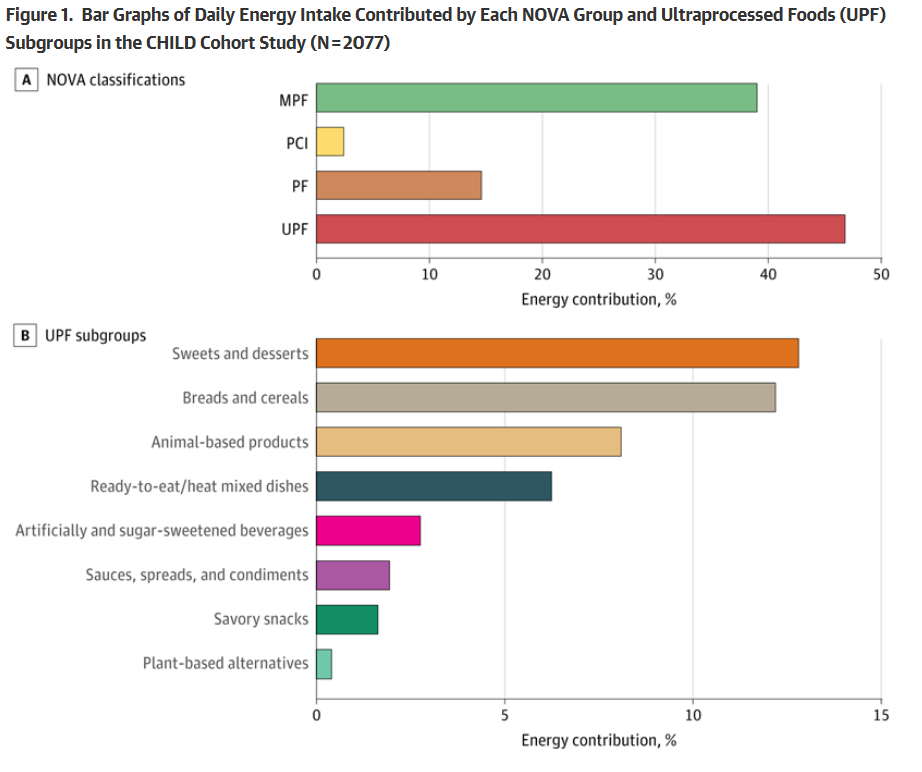
Canadian Epidemiologists Claim Processed Foods Cause Bad Kids

A cohort analysis of preschoolers in Canada has led the authors of the paper to call for bans...
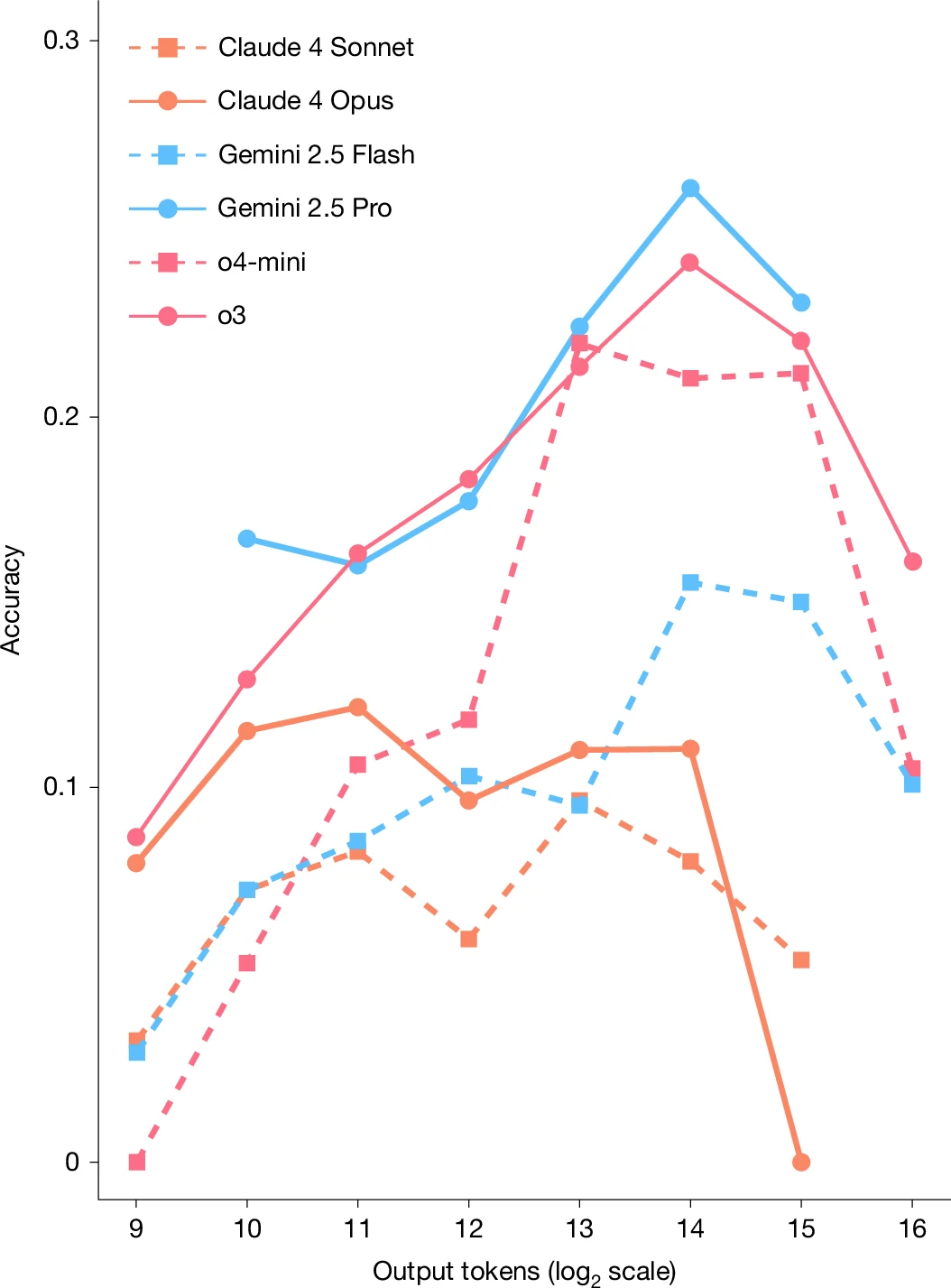
What AI Can't Do: Humanity’s Last Exam

By this time 26 years ago, the "Dot-Com Bubble" was ready to burst. People who wanted to raise...
Does NBA Income Inequality Impact Team Performance?

A new paper says that players where a few superstars get the money leads to less cooperation and...
Dogs And Coffee: Finally, Epidemiology You Can Trust

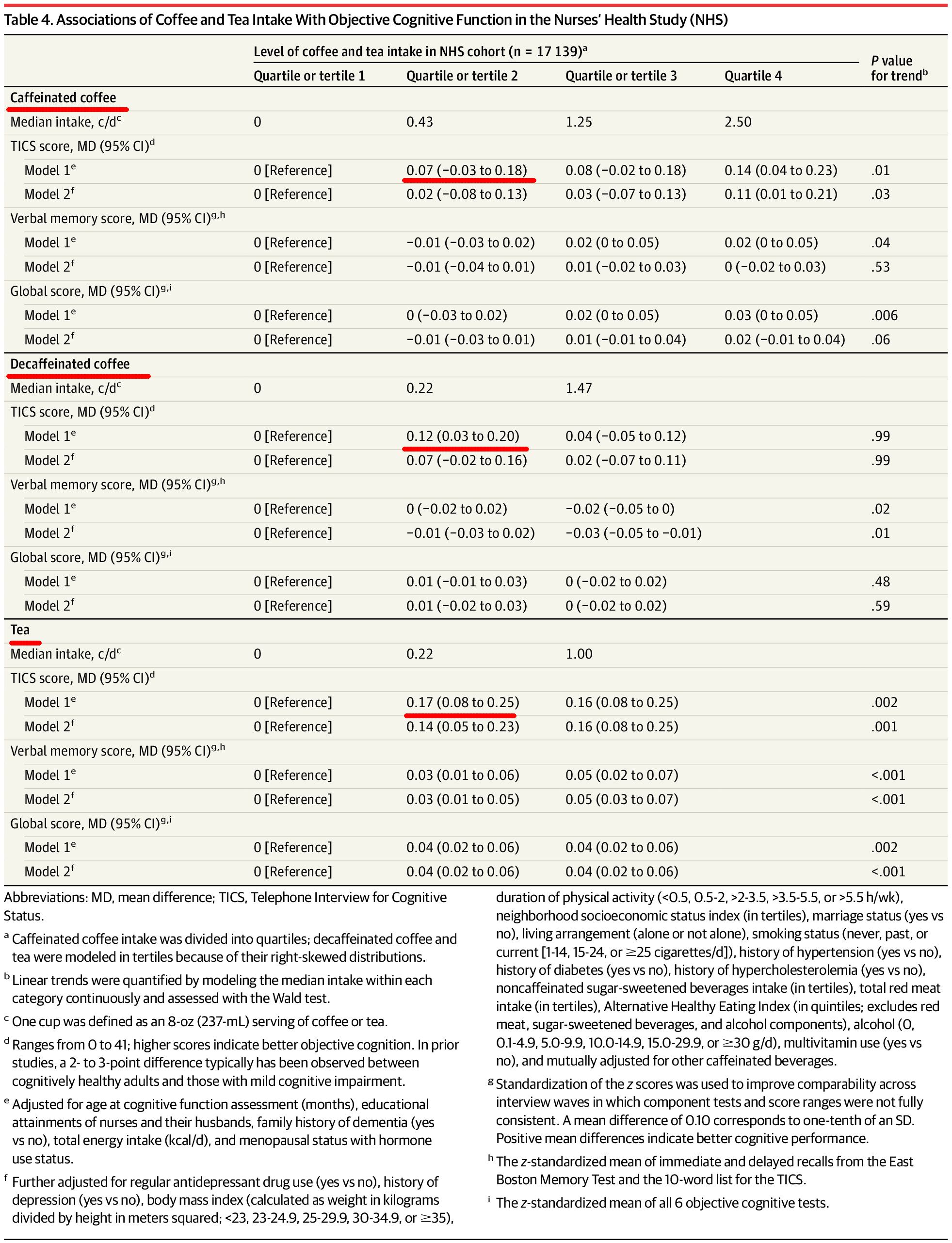
In 2026, it is easy to feel intellectually knocked around by all of the health claims you read...

User picture.
picture for picture for Tommaso Dorigopicture for Fred Phillipspicture for Hontas Farmerpicture for Atreyee Bhattacharyapicture for Patrick Lockerby
Hank CampbellRSS Feed of this column.

I founded Science 2.0® in 2006 and since then it has become the world's largest independent science communications site, with over 300,000,000 direct readers and reach approaching one billion. Read More »

Blogroll
The difficult thing about popularizing movements is that, in the beginning, you want recognition but as time goes on the interests of the movement may be divergent from the people involved in it.  

So it goes with the singularity.  In 1993, Vernor Vinge said "Within thirty years, we will have the technological means to create superhuman intelligence. Shortly after, the human era will be ended."   But 17 years into that, only the most optimistic thinkers think substantial progress has been made.  Ray Kurzweil thinks so, but he said so in 2005 also, including a whole book called The Singularity is Near
J.L. Vernon echoes many of the points I made in Are Science Blogging Networks Dead? but also focuses on a distinct aspect, writing Just like the NBA, “Science” is a brand.  It's a message that may be lost on some, or they would self-police a little better and certainly ask their commenters for a little more maturity - but it may be that while science is a brand (Science 2.0, Discover, Nature, etc. certainly always want to make sure writers get benefit beyond traffic from being in respective publications) at Scienceblogs, bloggers are themselves the brand.
Colin Schultz, a video journalist in Ontario, has some tips for aspiring science journalists.   Science readership is going up each year but science journalism jobs are decreasing.  How so?   Some of it is that science literacy is increasing(1) so more and more people can read science directly from the sources, like here, but without editors or journalists pitching stories the breadth of coverage is not complete so independent writing did not harm journalism - the market is up regardless of reasons.  
Fabio Casati and his collaborators at LiquidPublication, an EU-financed research project, want to change how you do science.  Namely by allowing you to do more of it, instead of sifting through journals.

“The more papers you produce, the more brownie points you get,” says Casati. “So most of your time is spent writing papers instead of thinking or doing science.”
No one here at Science 2.0 really noticed the Scienceblogs Pepsigate thing, being busy writing about science, but I lurk in a number of other places and, since Scienceblogs is the Big Kahuna in science blogging, it merited some attention, at least from me.