Fake Banner
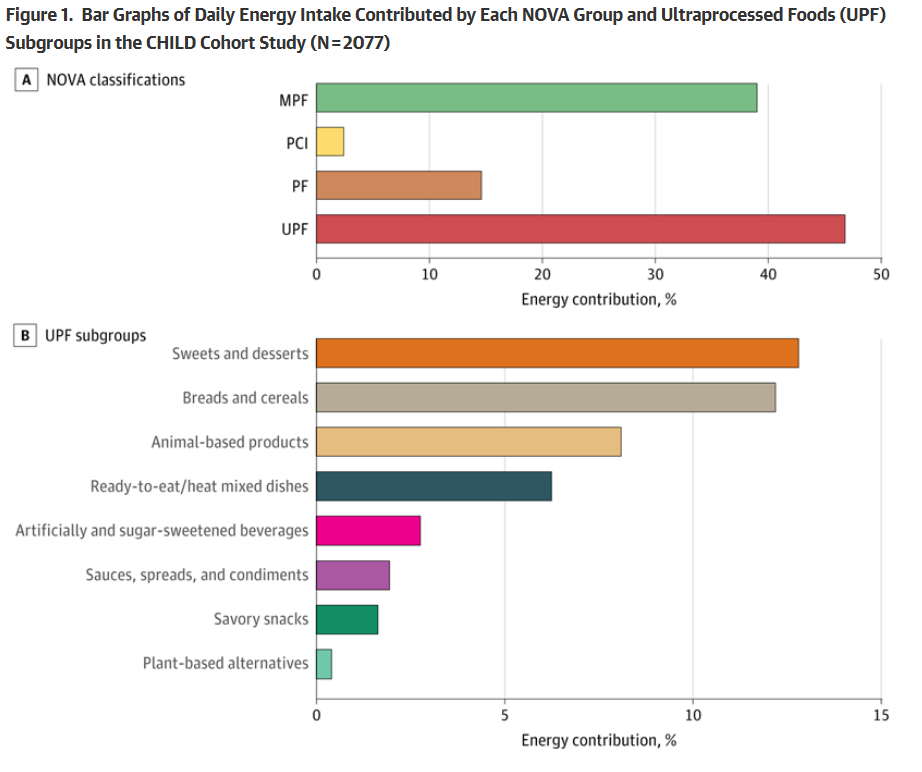
Canadian Epidemiologists Claim Processed Foods Cause Bad Kids

A cohort analysis of preschoolers in Canada has led the authors of the paper to call for bans...
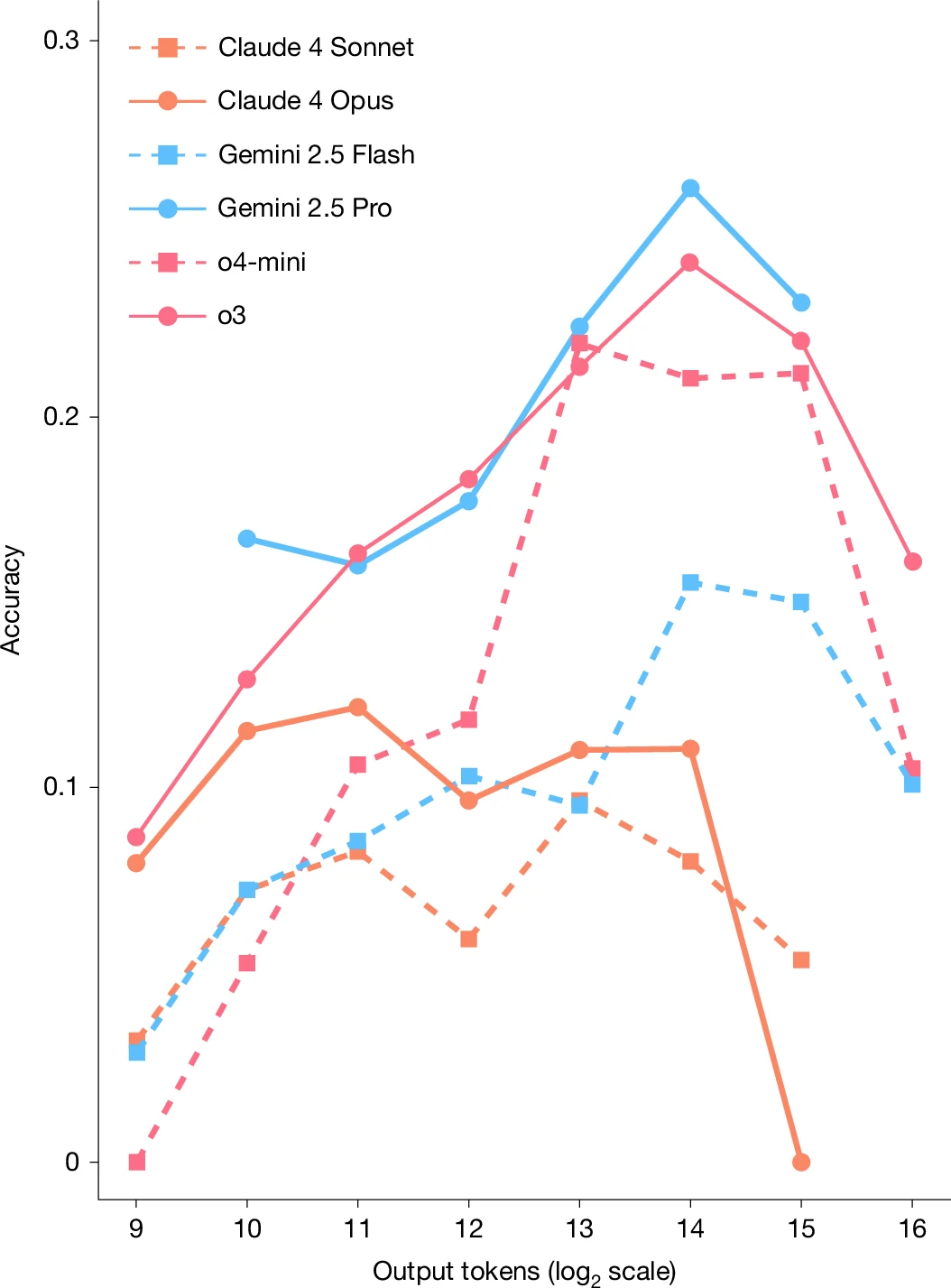
What AI Can't Do: Humanity’s Last Exam

By this time 26 years ago, the "Dot-Com Bubble" was ready to burst. People who wanted to raise...

Does NBA Income Inequality Impact Team Performance?

A new paper says that players where a few superstars get the money leads to less cooperation and...
Dogs And Coffee: Finally, Epidemiology You Can Trust

In 2026, it is easy to feel intellectually knocked around by all of the health claims you read...

User picture.
picture for picture for Tommaso Dorigopicture for Fred Phillipspicture for Hontas Farmerpicture for Atreyee Bhattacharyapicture for Patrick Lockerby
Hank CampbellRSS Feed of this column.

I founded Science 2.0® in 2006 and since then it has become the world's largest independent science communications site, with over 300,000,000 direct readers and reach approaching one billion. Read More »

Blogroll
I took a moment to look at Ray Kurzweil's response to PZ Myers' second-hand dissection of his talk at the Singularity Summit(1) I attended last weekend (see The Singularity Stole My ATM Card) because Andrea Kuszewki is on the case and trying to keep things on track (like, can we reverse engineer the brain?
A few days ago, while talking about mundane business issues, I learned that today, August 19th, was the birthday of that famous childhood delight, the 'black cow', what would later be called a root beer float.

If you are not up on your carbonated beverage lore, root beer hails from the root of the sassafras tree or the sarsaparilla vine.  When the root mixture is mixed with water, sugar and yeast, it is sweetened and the yeast generates carbon dioxide and carbonates the water.
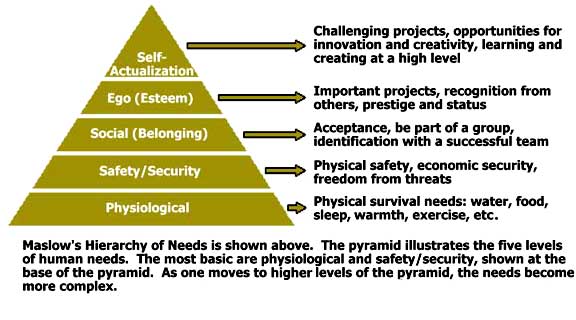
Despite being one of psychology's most memorable concepts and a genuinely good idea, Abraham Maslow's hierarchy of needs, immortalized in his 1943 paper "A Theory of Human Motivation" and later Motivation and Personality, needs a makeover, say some researchers.  

Maslow's hierarchy says humans will fulfill basic needs before moving on to higher level ones.    If you're unemployed and losing your house because fuzzy 'jobs saved or created' statistics have no real value to you, for example, global warming will not be your biggest concern.   
Anthropology rules!   

If a physicist tried to do a research study playing "World of Warcraft" for 3 years his peers would say, "Don't try to church it up, Tommaso, you're just playing World of Warcraft" but when an ethnographer does it, they get funding from the National Science Foundation, Intel, and write a book about it.
Researchers at Edinburgh Napier’s Biofuel Research Centre have done something unthinkable - they have used Scotch to fuel cars instead of violence-filled weekends.

Well, not Scotch specifically, rather whisky manufacturing waste from Glenkinchie Distillery (The Edinburgh Malt). Whew, the culture dodged a bullet there.     But it's also a good idea.  Scotch is a $5.5 billion industry in Scotland and Edinburgh Napier hit on the idea that whisky by-products could be an excellent resource for developing biobutanol, a next-generation biofuel with 30% more output power than ethanol. 

To understand how it works, you need a quick primer on whisky.
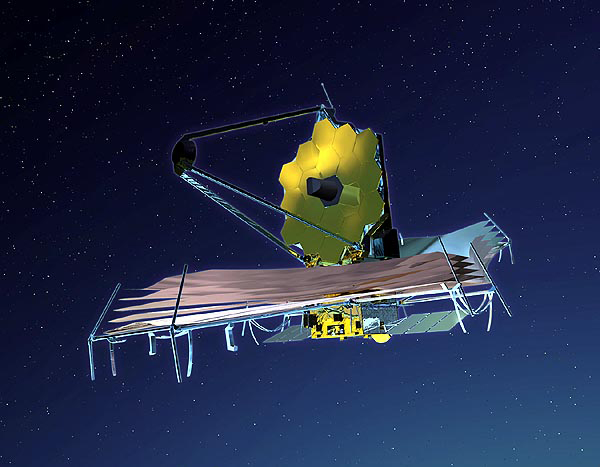
If Big Science complains about U.S. budget skepticism in the future, they are going to have to answer questions about the James Webb telescope.  It is currently 3 years and $1.5 billion over budget with no end in sight.   The latest projection, 2014 and $5 billion, has been greeted with so much derision that even the people behind the project in government have demanded an outside panel to oversee the boondoggle.