Fake Banner
Alcohol Causes Cancer - How Much Shouldn't Even Enter Your Thoughts

A doctor who told you to smoke cigarettes "in moderation" would likely lose their license, but...

The Hemp Industry Has A Placebo For Your PFAS Chemophobia

Environmental activists have claimed for decades that PFAS (Per- and polyfluoroalkyl substances)...
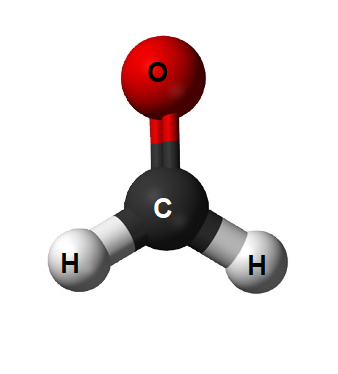
TSCA: Here Is What You Need To Know About EPA Taking A New Look At Formaldehyde

The U.S. Environmental Protection Agency has signaled it will once again examine formaldehyde under...
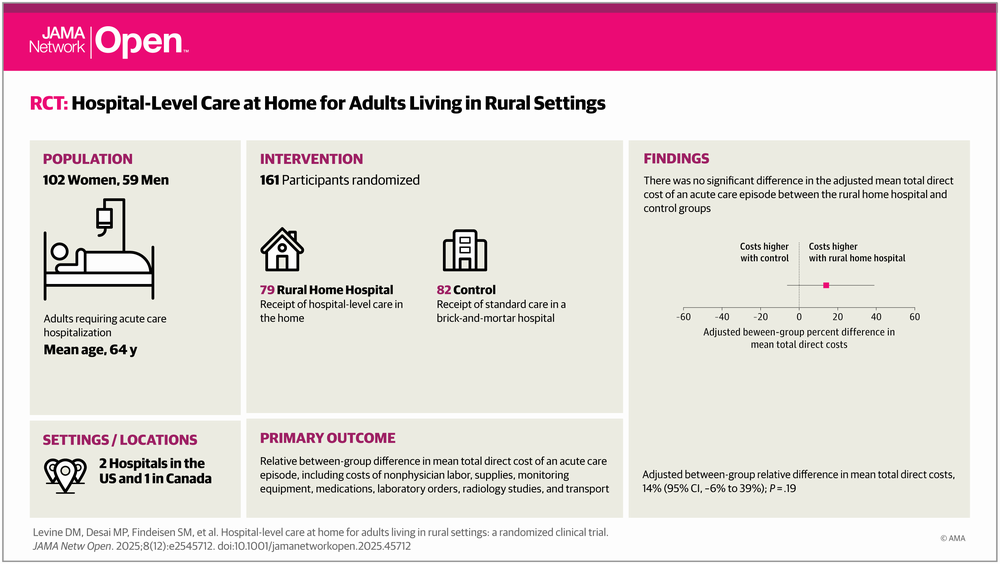
Sending Health Care To Homes Is Better And Cheaper Than Hospital Stays

Due to the rising costs and inability of doctors to own hospitals since the Affordable Care Act...

User picture.
picture for Fred Phillipspicture for Tommaso Dorigopicture for picture for Patrick Lockerbypicture for Hontas Farmerpicture for Ilias Tyrovolas
Hank CampbellRSS Feed of this column.

I founded Science 2.0® in 2006 and since then it has become the world's largest independent science communications site, with over 300,000,000 direct readers and reach approaching one billion. Read More »

Blogroll

Research can often be a thankless job for the researcher - logically even more so if you make your data available to the community at large. Someone in the peer community will challenge it, bloggers will pick it apart, newspapers will misinterpret it and someone, somewhere, will find a way to use it to bolster their favorite political argument.

The benefits of open science to the science community receiving the data are obvious. They get results without effort or money or time. Is there any benefit to the researcher and, if not, why would anyone do it?

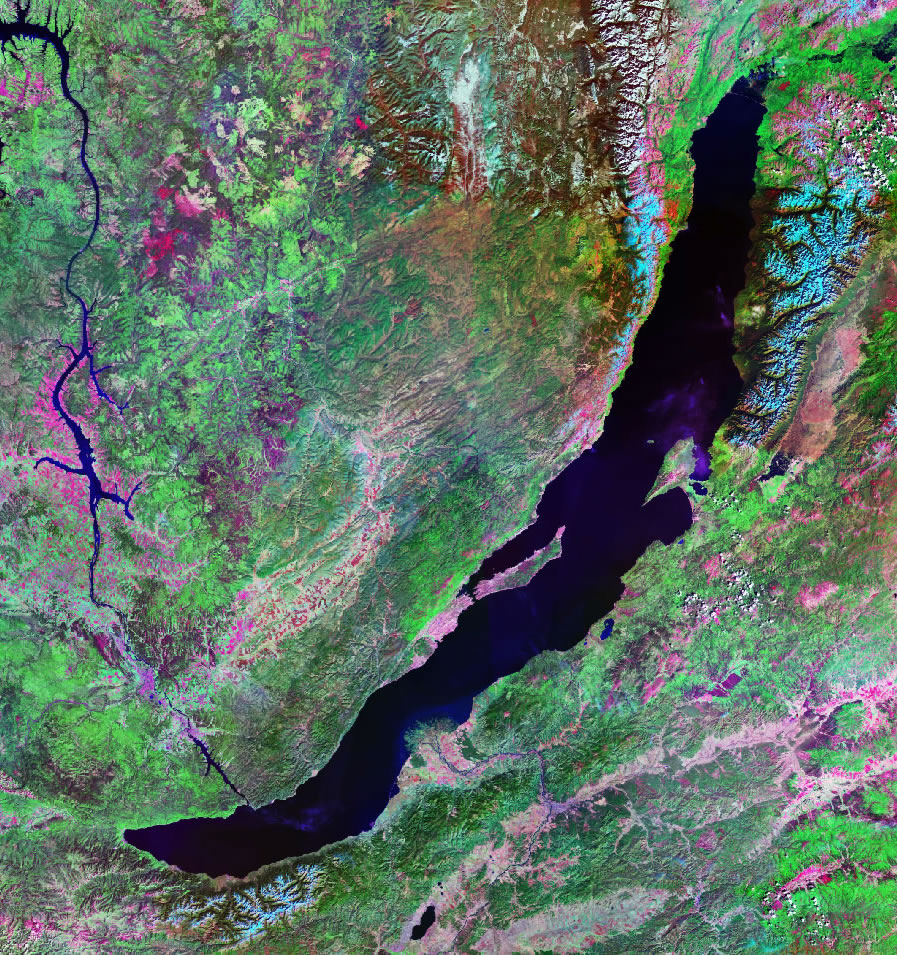
Called by some the Blue Eye of Siberia and by others the Sacred Sea, Lake Baikal, at more than 5,000 feet ( 1,620 meters ), is the world’s deepest lake. The lake has many other interesting features also. For example, more than 330 rivers flow in but only the Angara flows out.

Even the potential for oil-related environmental disaster along the Eastern Siberia–Pacific Ocean pipeline was enough to get that project moved farther away from one one of UNESCO's world heritage objects.

What do you do when Mother Nature herself starts leaking the oil?


Image by geology.com using NASA Landsat data

Is something better than nothing while society adjusts to the impact of pollution and climate change? Or is a "band-aid" approach just making people feel better and wasting time? It depends on which environmental group you ask.

The Royal Society for the Protection of Birds issued a withering attack on the British government, calling its policy on tackling climate change too myopic to be effective after the publication of another Westminster report detailing additional restrictions that should be in place.

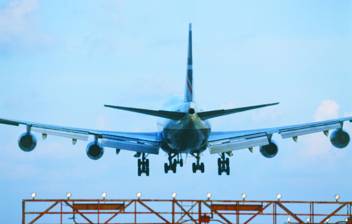
The report, by the Joint Scrutiny Committee, said aviation must be included in climate change planning.

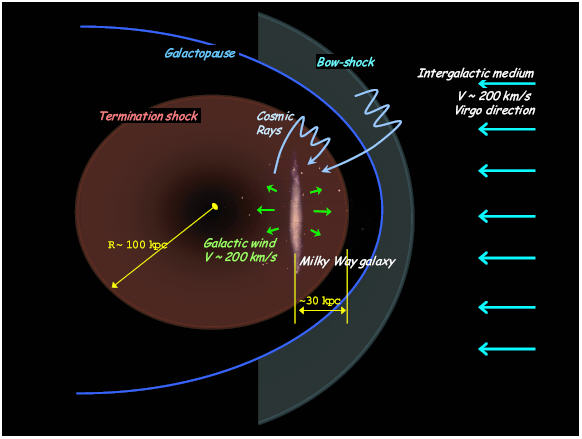
Every 62 million years there is a mass extinction on Earth. No one is sure why but, since the solar motion through the Milky Way has been computed for the past 600 million years, we know it is too long a cycle for it to be a product of our solar system. A new paper theorizes this is because the earth begins to ... wobble ... due to solar oscillations and that wobbling happens on a predictable timetable.

They call it galactic shock due to cosmic ray modulation and its presence at those times impacts biological diversity - that means extinction and origination. The physicists, Mikhail V. Medvedev and Adrian L. Melott of the University of Kansas, say this has happened for the last half billion years. How much impact? As much as 10% of life on earth.

Why a wobble?

A recent UN study, Livestock's Long Shadow, basically says you can help the environment more by driving than walking.