Visitors to the site of Pompeii, the ancient Roman town buried (and so preserved for thousands of years) by the eruption of Mount Vesuvius in 79AD, don’t often think to look beyond the city walls. And it’s easy to understand why: there’s plenty on offer within this monumentally well-preserved town, from jewel-like wall paintings of myths and legends like Helen of Troy, to the majestic amphitheater and sumptuously stuccoed baths.

But step outside the gates for a moment, and you’re in a very different – yet no less important – world.

In a world where misinformation, voluntary or accidental, reigns supreme; in a world where lies become truth if they are broadcast for long enough; in a world where we have unlimited access to superintelligent machines, but we prefer to remain ignorant; in this world we are unfortunately living today, that is, the approach taken by scientists to accumulate knowledge - peer review - is something we should hold dear and preserve with care. And yet...

For decades, natural history books have taught that when a catastrophic asteroid struck Earth 66 million years ago, it wiped out the dinosaurs and gave mammals – until then mostly small, tree-dwelling creatures – a chance to flourish on the ground. It’s the classic “mammals rise after dinosaurs fall” narrative.

What are sustainable cities, and can we build them? I put my Institute Fellows’ decades of experience together with the content of this fine conference, and conclude: (1) A sustainable city will attend equally to innovation, to human opportunity and dignity, and to the Earth. (2) Cities are not yet doing that. (3) There are obstacles.

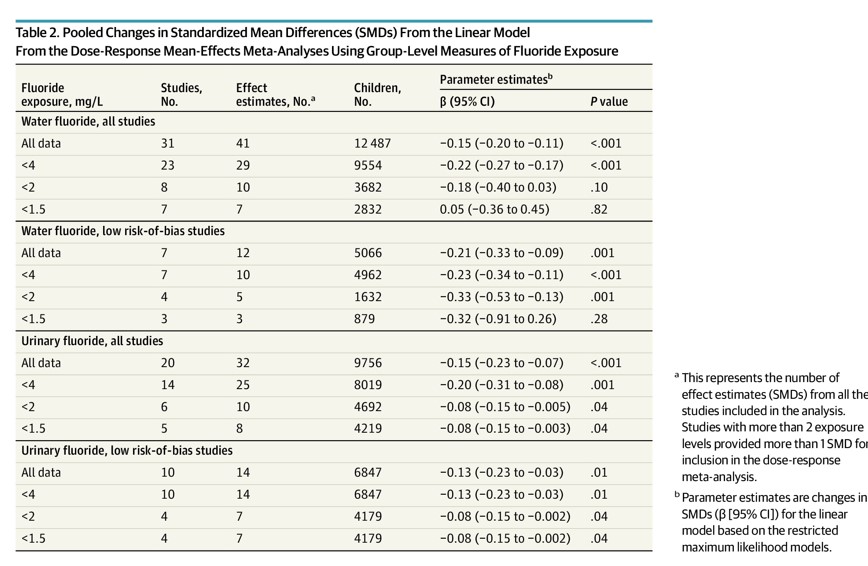
When asked about an effort to ban fluoride in drinking water, Utah Governor Spencer Cox said, "It’s not a bill I care that much about” but he still signed it, despite the health benefits being well-established and claims of harm being the kind of slimy epidemiology that claims "risk" of BPA, weedkillers, PFAS, and too many products to count.

Utah wants to be the California of the right-wing; ban things because it matches the politics of their voters and science will be marginalized.(1)

In 1961, less than one per cent of Canadians identified as having no religion. In 2021, 43 per cent of those between 15 and 35 considered themselves religiously unaffiliated.

Organized religion — and especially Christianity — is in decline. Secularization is advancing apace. Most sociologists of religion agree on this. What they disagree about, however, is why.

It's easy for Greenpeace employees in cities to talk about farming but in the real world, without pesticides we'd lose 78 percent of fruit, 54 percent of vegetables, and 32 percent of cereal crops.

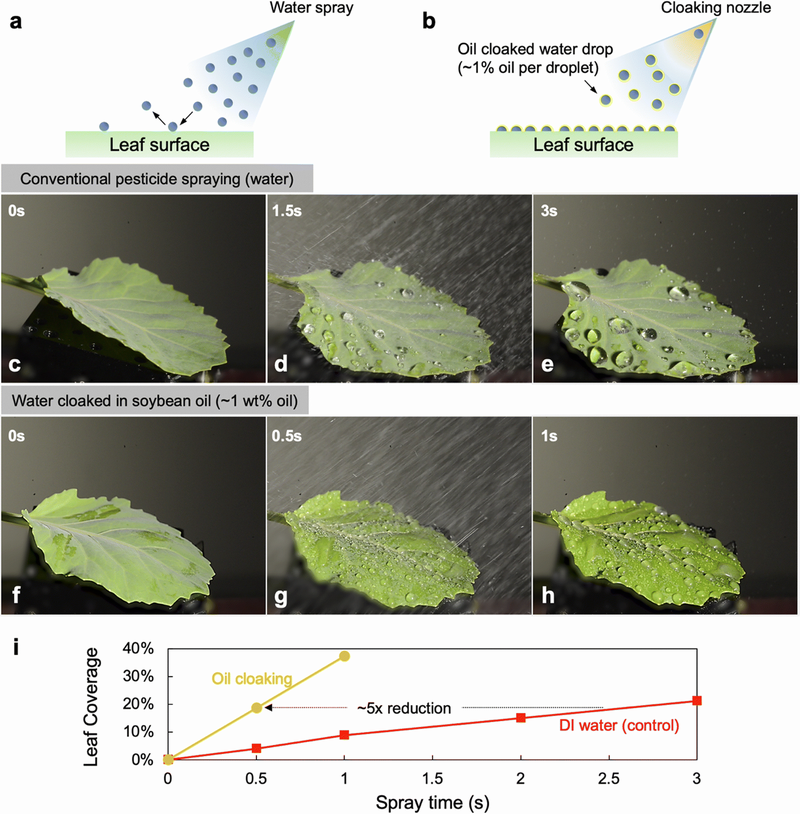
Most farmers want to optimize razor-thin margins and protect their biggest asset, land, so they are cautious about spraying too much, but the organic process leads to startling amounts of nitrogen runoff into rivers and ground water. A study claims 31 percent of agricultural soils around the world were at high risk from pesticide pollution while the old ways of German farmers recently showed they were exposing everything to wasted chemicals. Seed treatments like neonicotinoids have gone a long way to reducing runoff but some products can only be sprayed. 
Greenpeace is facing bankruptcy after a $667,000,000 judgment. For the first time ever, the number of U.S. federal employees declined. Democrats have begun to consider they might be wrongly defending terrorists. They even became pro-vaccine for the first time this century. 

The best thing President Donald Trump may have done for science and political sanity is to switch from Democrat to Republican and bring Bobby Kennedy Jr. and Elon Musk along with him. It forced Democrats, who are nearly 90% of career government employees, to suddenly defend things they had opposed for decades.(1)

Like nuclear energy. Which means we could usher in a new Golden Age of Science.

In this article I'm going to examine how student feedback plays a pivotal role in enhancing learning design and engagement, particularly in online education environments. I will explore the mechanisms by which timely, constructive feedback not only improves course content and delivery but also empowers students as co-creators in the learning process.