




Lately I’ve been thinking and writing about environmental governance. Here’s a summary. It has to do with the consequences of not thinking systemically; combining top-down and bottom-up policies; technology forcing; fairness and the SDGs; and prospects of violence.

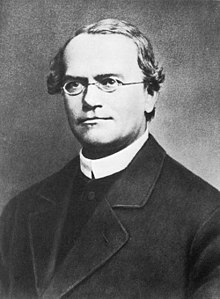
Newly-discovered historical information adds weight to the belief that given what was known in the mid-19th century, Gregor Mendel, the Austrian (Moravian, now part of the Czech Republic) Monk was even further ahead of his time.  So advanced his work was criticized by some as 'too good to be true' despite surviving every challenge.

Resentful scientists may have later tried to claim he must have used more than science but today he is seen as so ahead of his time his work is uncontroversial. Yet at the time the science community ignored him, perhaps because he was a religious leader and not a career scientist, and perhaps because he had no desire to self-promote, or perhaps because it was too advanced for the existing science community to accept.
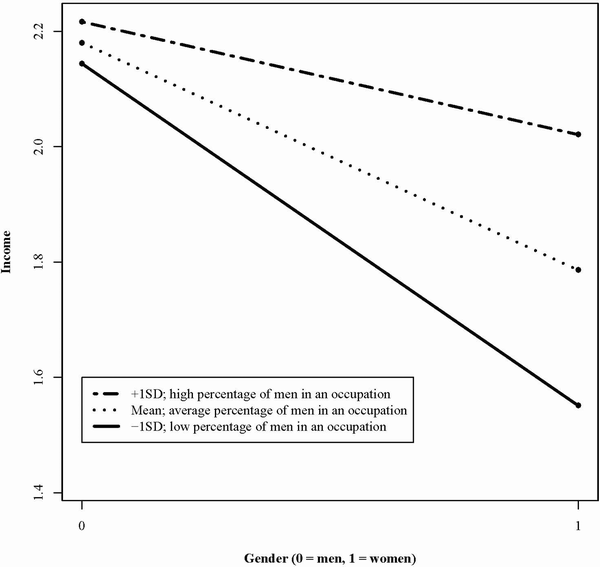
The wage gap between genders has always had some cultural traction but there were also always odd pockets where it was worse - including what you wouldn't have expected. Environmental groups had far more women but the wage gap between what they paid men and women was alarming compared to engineering, where there were fewer women as a total percentage but no meaningful pay disparity.
Hangry, a portmanteau of hungry and angry, is widely used in everyday language but the phenomenon has not been widely explored by science outside of laboratory environments. You have probably seen it in television commercials, where someone is irritable, complains a lot, or fatigued until they get a candy bar, when they revert back to themselves.

A new survey finds it is not just clever marketing. 

The team recruited 64 adult participants from central Europe, who recorded their levels of hunger and various measures of emotional wellbeing over a 21-day period.

Prior to the 1980s, most thermometers were both inaccurate and not placed using scientific methodology. But tree rings need time and ice cores even longer, which means for recent periods of time have to rely on observational claims and hope to control for their accuracy.

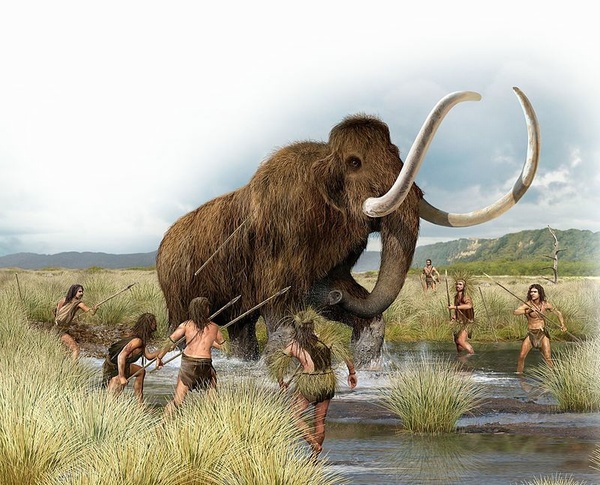
Our modern human diet is remarkably versatile. Modern farming practices and technological innovations allowed an unprecedented variety of dietary choices. Our hunter-gatherer ancestors, though, didn't have this luxury. The harsh climate during cold seasons forced them to hunt for prey to satisfy their caloric needs when  plants were too scarce. The hunting pressure was so high that it drove many species to extinction, including mammoths.

Why do most people eat dessert after dinner but not before? Culture, or the brain? 

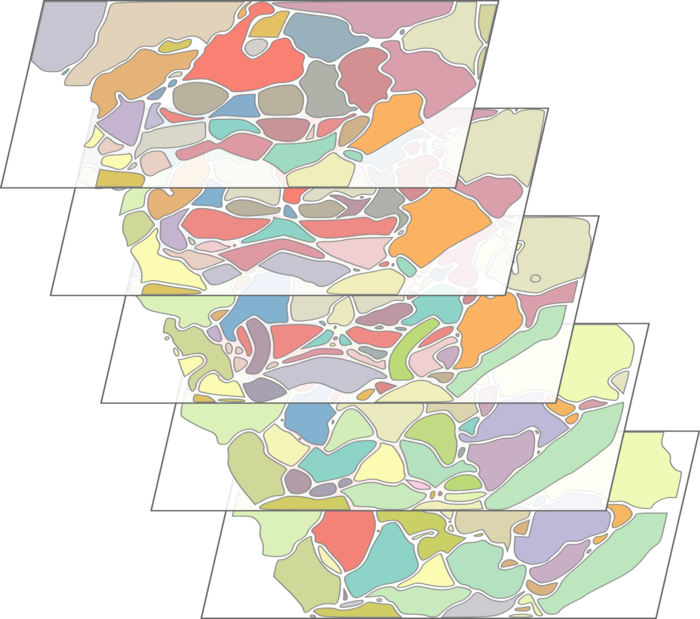
The prevailing belief is that the body often needs protein so only after that is obtained are carbohydrates 'craved', to add to the body’s fat stores. Yet it is not so simple and a new study combines effects to see how the brain's parallel internal states guide behavior.
We all know people who have poor impulse control. They can't open a bag of chips without eating the whole thing, or they lose their temper over something minor and can't calm down. A new study finds it may involve two major circuits in the basal ganglia. 
Yes, I know - I have touched on this topic already a couple of times in this blog, so you have the right to be bored and surf away. I am bound to talk about this now and then anyway, though, because this is the focus of my research these days. 
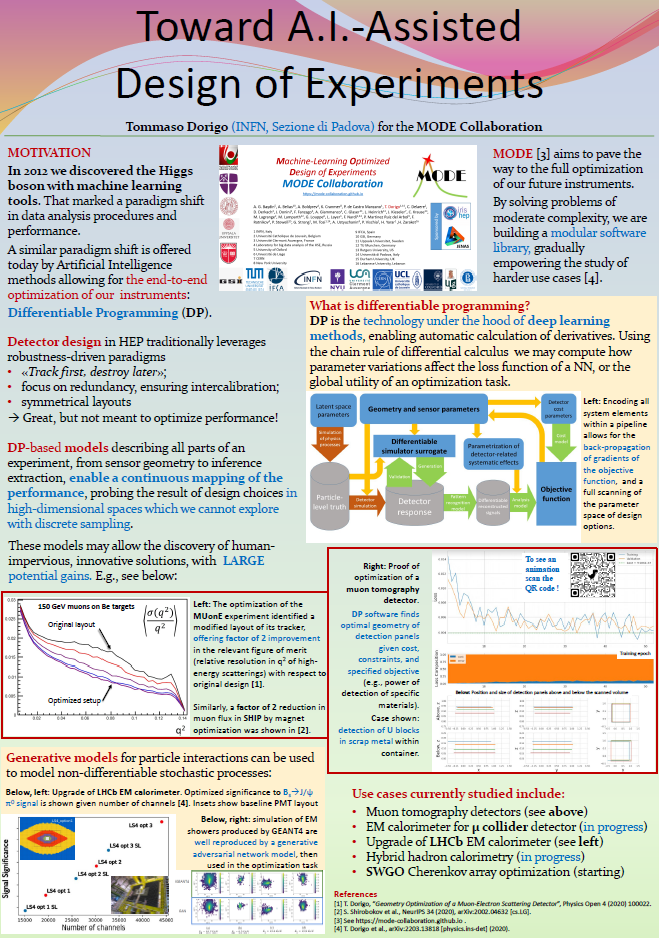
Recently I was in the Elba island (a wonderful place) for a conference on advanced detectors for fundamental physics, and I presented a poster there on the topic of artificial-intelligence-assistend design of instruments for fundamental physics. Below is the poster (I hope it's readable in this compressed version - if you really want a better pic just ask).

