
Banner
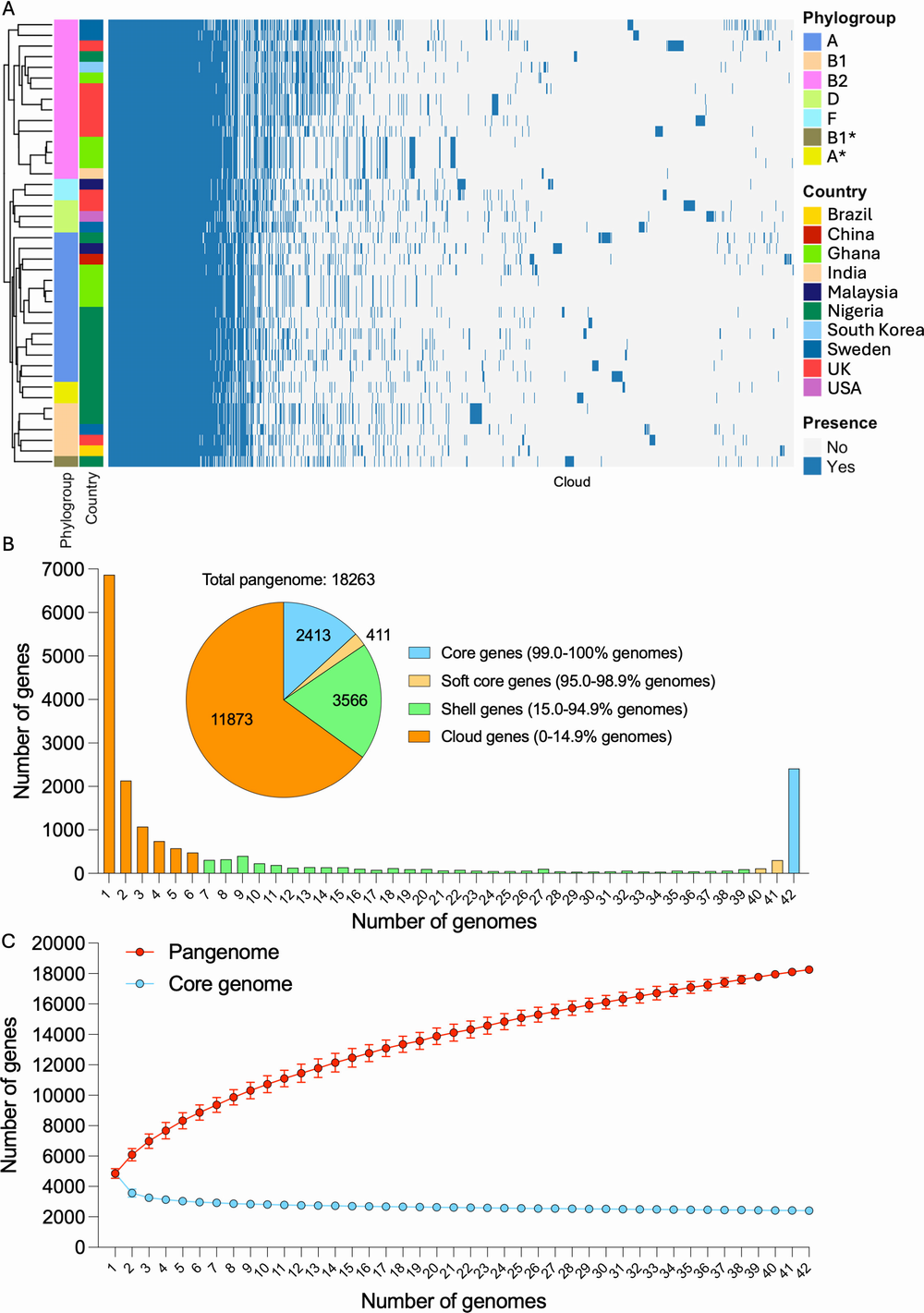
E. Coli Linked To Diabetic Foot Infections Gets Worldwide Analysis

Diabetic foot infections are a serious complications of diabetes and a leading cause of lower-limb...
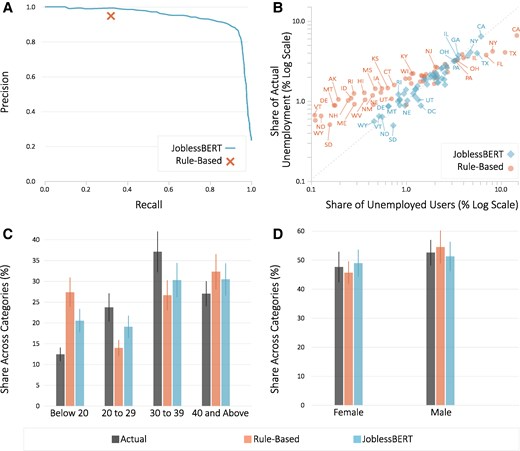
Social Media Is A Faster Source For Unemployment Data Than Government

Government unemployment data today are what Nielsen TV ratings were decades ago - a flawed metric...
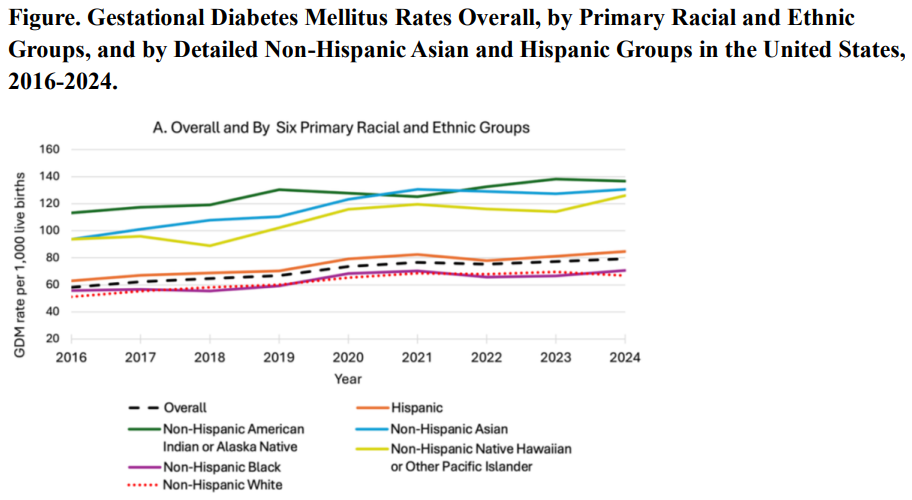
Gestational Diabetes Up 36% In The Last Decade - But Black Women Are Healthiest

Gestational diabetes, a form of glucose intolerance during pregnancy, occurs primarily in women...
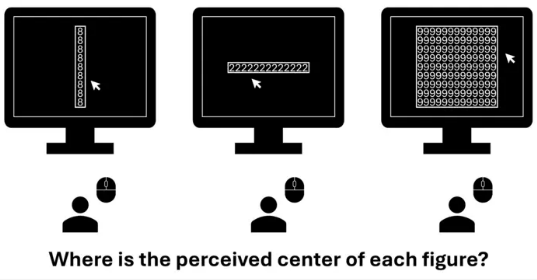
Object-Based Processing: Numbers Confuse How We Perceive Spaces

Researchers recently studied the relationship between numerical information in our vision, and...

User picture.
News StaffRSS Feed of this column.

News Releases From All Over The World, Right To You... Read More »

Blogroll

Researchers at Tufts University School of Medicine in collaboration with the Virginia Bioinformatics Institute at Virginia Tech have created a computer program called Pathogen Simulation (PathSim) to study the progression of Epstein-Barr virus (EBV) in humans. David Thorley-Lawson, PhD, professor of pathology at Tufts University School of Medicine, is combining PathSim, laboratory methods, and clinical studies to provide a new and powerful approach to understanding EBV and ultimately designing anti-viral therapies.

“PathSim is an agent-based computer program. The agents are the virus itself, and the T and B cells of the patient’s immune system,” explains Thorley-Lawson. Using PathSim, Thorley-Lawson can manipulate these agents to simulate EBV infection and persistence in humans.

MIT researchers have created a new structured gel that can rapidly change color in response to a variety of stimuli, including temperature, pressure, salt concentration and humidity.

Among other applications, the structured gel could be used as a fast and inexpensive chemical sensor, says Edwin Thomas, MIT's Morris Cohen Professor of Materials Science and Engineering. One place where such an environmental sensor could be useful is a food processing plant, where the sensor could indicate whether food that must remain dry has been overly exposed to humidity.

A critical component of the structured gel is a material that expands or contracts when exposed to certain stimuli.

With an eye on curing diabetes, scientists at Washington University School of Medicine in St. Louis have successfully transplanted embryonic pig pancreatic cells destined to produce insulin into diabetic macaque monkeys – all without the need for risky immune suppression drugs that prevent rejection.

The transplanted cells, known as primordia, are in the earliest stages of developing into pancreatic tissues. Within several weeks of the transplants, the cells became engrafted, or established, within the three rhesus macaque monkeys that received them. The cells also released pig insulin in response to rising blood glucose levels, as would be expected in healthy animals and humans.

Sifting through the massive backlog of microbial genome sequences from the public databases the US Department of Energy Joint Genome Institute identified genes that kill the bacteria employed in the sequencing process and throw a microbial wrench in the works. Their observations also offer a possible strategy for the discovery of new antibiotics.

Which goes to show; data that goes unnoticed, despite its widespread availability, can reveal extraordinary insights to the discerning eye.

In nature, promiscuous microbes share genetic information so readily that using genes to infer their species position on the evolutionary tree of life was thought to be futile.

A clinical trial evaluating a brain cancer vaccine in patients with newly diagnosed brain cancer has begun at NYU Medical Center. The study will evaluate the addition of the vaccine following standard therapy with surgery and chemotherapy in patients with glioblastoma multiforme, a deadly form of brain cancer.

The vaccine, called DCVax-Brain, incorporates proteins found in patients’ tumors and is designed to attack cancer cells containing these proteins. The study underway at NYU Medical Center is an expansion of an earlier phase I trial of the vaccine. The vaccine is made by the Northwest Biotherapeutics, Inc., based in Bothell, Washington.

“We are really excited about the promise of this vaccine,” said Patrick J.

An ever-changing U.S. consumer who enjoys the convenience of ready-to-eat produce and seasonable fruits during the dead of winter has brought new challenges to food import safety, experts said Oct. 18.

With U.S. food imports set to top more than $2 trillion this year and expected to triple by 2015, a panel on food safety commissioned by President Bush met at Texas A&M University to discuss ways to strengthen the national and global import infrastructure.

Dr. Andrew von Eschenbach, Food and Drug Administration commissioner, said the nation’s consumer is one who “expects to eat strawberries in February.”

That has led to more change and complexity among how food is processed and delivered into the U.S.




