Banner
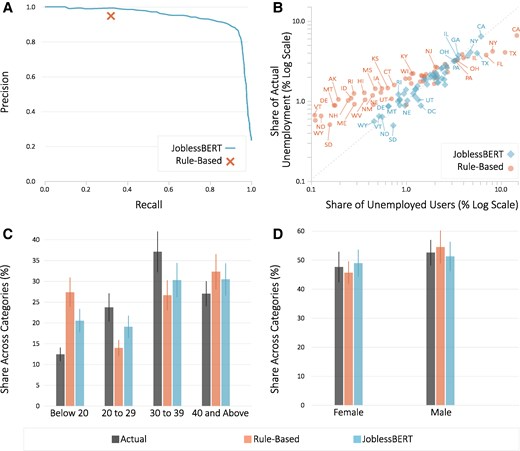
Social Media Is A Faster Source For Unemployment Data Than Government

Government unemployment data today are what Nielsen TV ratings were decades ago - a flawed metric...
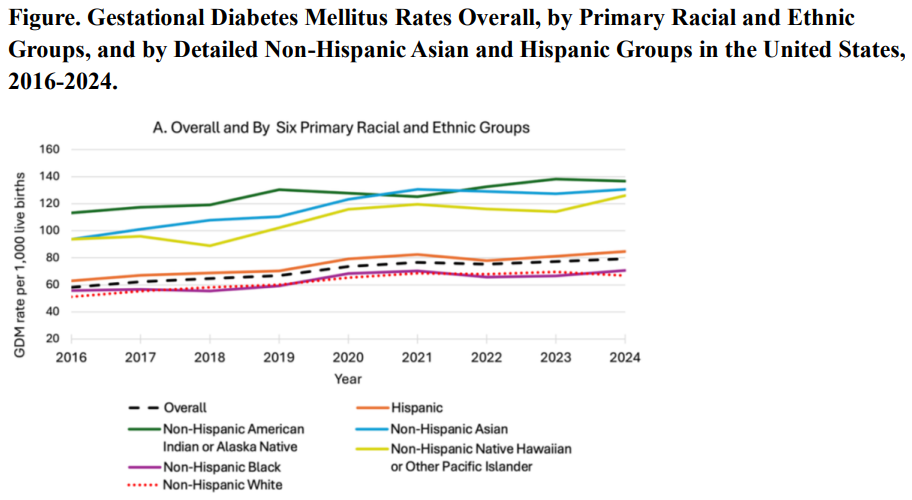
Gestational Diabetes Up 36% In The Last Decade - But Black Women Are Healthiest

Gestational diabetes, a form of glucose intolerance during pregnancy, occurs primarily in women...
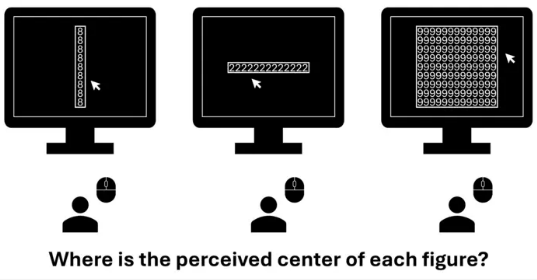
Object-Based Processing: Numbers Confuse How We Perceive Spaces

Researchers recently studied the relationship between numerical information in our vision, and...
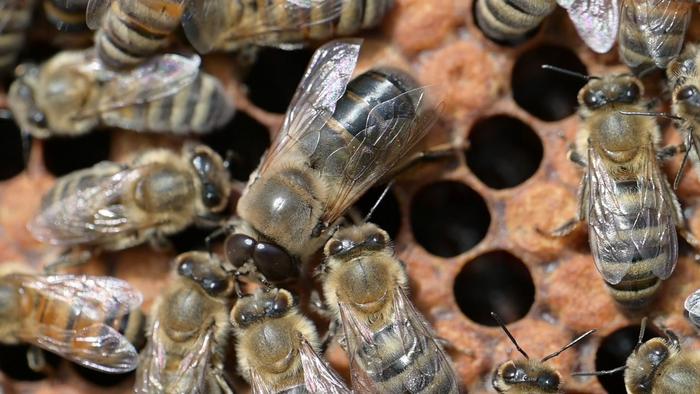
Males Are Genetically Wired To Beg Females For Food

Bees have the reputation of being incredibly organized and spending their days making sure our...

User picture.
News StaffRSS Feed of this column.

News Releases From All Over The World, Right To You... Read More »

Blogroll

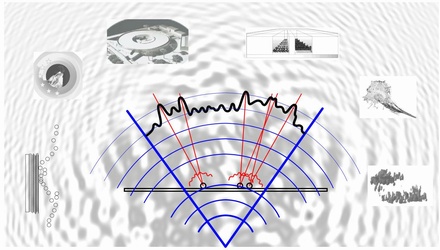
Last weeks's M 7.6 West Java earthquake was detected, located and sized after only 4 minutes and 38 seconds by the German Tsunami Early Warning System (GITEWS) currently under construction in Indonesia. The location of the earthquake has been established after just 2 minutes and 11 seconds. For comparison: The Pacific Tsunami Warning Center (PTWC) in Hawaii published the location and magnitude of this earthquake after about 17 minutes.

Such a rapid analysis was possible due to the new software system called "SeisComP" (Seismological Communication Processor) developed by GFZ Potsdam that was installed at the Meteorological and Geophysical Agency of Indonesia (BMG) in Jakarta, in the last weeks.

Scientists at Keele University in Staffordshire have questioned the safety of aluminium added to sunscreens and sunblocks.

The researchers, Scott Nicholson and Dr. Christopher Exley, measured the aluminium content of sunscreens/sunblocks, which either include or do not include an aluminium salt (for example, aluminium hydroxide, aluminium oxide, aluminium silicate, aluminium stearate, aluminium starch octenylsuccinate) as an ingredient.

Aluminium was present in all seven products tested and its content was of particular significance in three products, each of which listed it as an ingredient.

Aircraft engines are more efficient at higher temperatures, but this requires thermal treatment of engine components at very specific high temperatures in excess of 1300 °C. If the heat treatment temperature deviates too much from the optimal temperature, the treatment may be inadequate.

Thermocouples are calibrated using materials with known melting points (fixed points), but the available reference materials in the region of the very high temperatures required to treat jet engine components have a large uncertainty compared with the lower temperature fixed points.

Now measurement scientists at the National Physical Laboratory (NPL) have reduced the uncertainty of thermocouple temperature sensors at high temperatures to within a degree.

Scientists from the Desert Research Institute (DRI) and their collaborators have determined that Northern Hemisphere industrial pollution resulted in a seven-fold increase in black carbon (soot) in Arctic snow during the late 19th and early 20th centuries, according to new research into the impact of black carbon on Arctic climate forcing.

The study in the August 9th online edition of Science magazine was led by Drs. Joe McConnell and Ross Edwards – two ice core scientists from DRI – who used a new method for measuring soot in snow and ice to evaluate historical changes in soot concentrations using an ice core from the Greenland Ice Sheet.

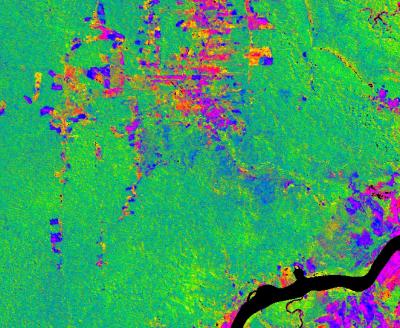
A new regional study shows that land-use policies in Peru have been key to tempering rain forest degradation and destruction in that country. Scientists at the Carnegie Institution’s Department of Global Ecology led an international effort to analyze seven years of high-resolution satellite data covering most (79%) of the Peruvian Amazon for their findings. The work is published in the August 9, 2007, on-line edition of Science Express.

The scientists found that the government’s program of designating specific regions for legal logging, combined with protection of other forests, and the establishment of territories for indigenous peoples helped keep large-scale rain forest damage in check between the years 1999 and 2005.

Modern communication technologies offer many new opportunities for reaching out to people. Can it also help patients with mental disorders?

Maybe. A group of investigators of the University of Heidelberg has published a controlled study on a new method of group therapy treatment based on internet chat in the July issue of Psychotherapy and Psychosomatics.

Following traditional impatient treatment, this study investigated the effectiveness of group therapy delivered through internet chat.