Banner
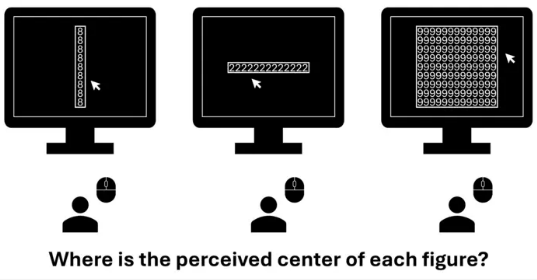
Object-Based Processing: Numbers Confuse How We Perceive Spaces

Researchers recently studied the relationship between numerical information in our vision, and...
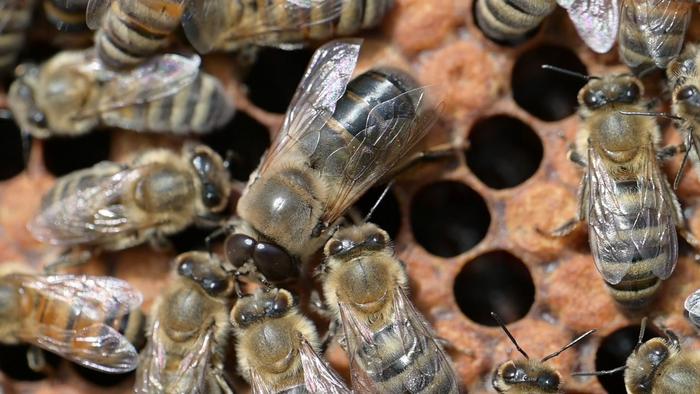
Males Are Genetically Wired To Beg Females For Food

Bees have the reputation of being incredibly organized and spending their days making sure our...

The Scorched Cherry Twig And Other Christmas Miracles Get A Science Look

Bleeding hosts and stigmatizations are the best-known medieval miracles but less known ones, like ...

$0.50 Pantoprazole For Stomach Bleeding In ICU Patients Could Save Families Thousands Of Dollars

The inexpensive medication pantoprazole prevents potentially serious stomach bleeding in critically...

User picture.
News StaffRSS Feed of this column.

News Releases From All Over The World, Right To You... Read More »

Blogroll

figshare, a Digital Science portfolio company, has announced a new partnership with open access publisher Public Library of Science (PLoS) to host the supplemental data for all seven PLoS journals, as well as provide a widget that will enable PLoS users to view data in the articles in the browser alongside the content. 

 figshare provides a free way for researchers to publish, share and get credit for their research data, hosting videos, datasets, graphs, figures and images. By partnering with figshare, PLoS can host data accompanying their publications, making the data easier to access for future use. Through figshare's new widgets, users will also be able to visualize the research objects within the browser. 

A new paper outlines the many pitfalls associated with simulation methods such as Monte Carlo algorithms and other commonly used molecular dynamics approaches.

If a numerical model simulating 25,000 generations of evolution within computers is to be believed, Cornell University engineering and robotics researchers may have discovered why biological networks tend to be organized as modules – a finding that will lead to a deeper understanding of the evolution of complexity.

And they say it will help evolve artificial intelligence. Robot brains with the grace and cunning of animals? What could go wrong?

There is a reason for the disparity between charitable giving among people who advocate smaller government and larger government; people who advocate larger government already feel like they are doing their part by paying more in taxes, so they give less to charity.

Two new research papers signal how the next class of powerful medications may currently reside at the bottom of the ocean. 

Sea life studies could aid researchers in several ways, including the development of new medications and perhaps biofuels. Because many of these ocean animal species have existed in harmony with their bacteria for millions of years, these benign bacteria have devised molecules that can affect body function without side effects - and therefore better fight disease.

A new estimate is that each intravenous drug user contracting Hepatitis C could infect around 20 other people with the virus, half of these transmissions occurring in the first two years after the user is first infected.