Banner
Social Media Is A Faster Source For Unemployment Data Than Government

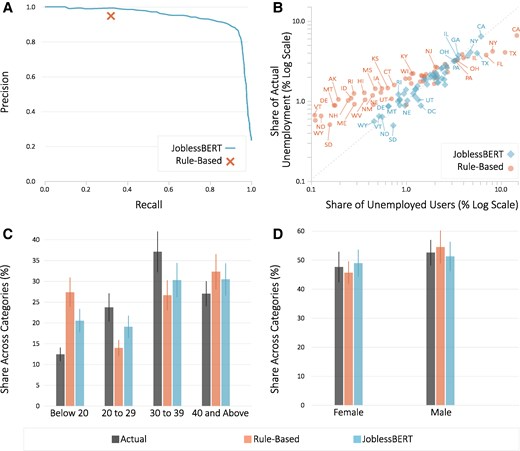
Government unemployment data today are what Nielsen TV ratings were decades ago - a flawed metric...
Gestational Diabetes Up 36% In The Last Decade - But Black Women Are Healthiest

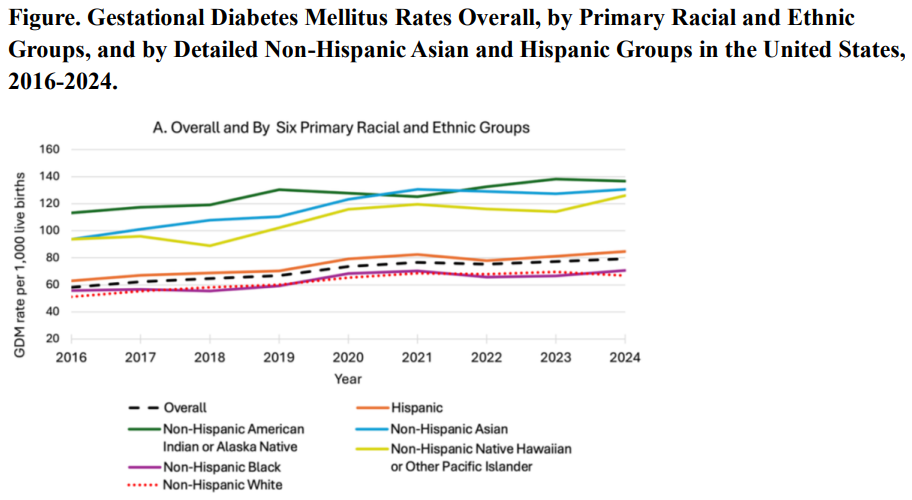
Gestational diabetes, a form of glucose intolerance during pregnancy, occurs primarily in women...
Object-Based Processing: Numbers Confuse How We Perceive Spaces

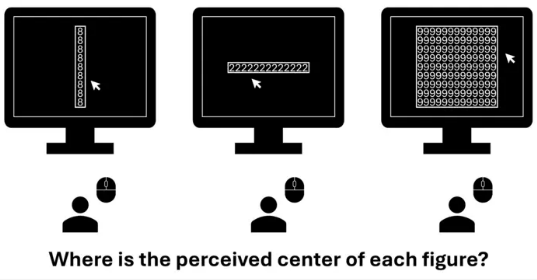
Researchers recently studied the relationship between numerical information in our vision, and...

Males Are Genetically Wired To Beg Females For Food

Bees have the reputation of being incredibly organized and spending their days making sure our...

User picture.
News StaffRSS Feed of this column.

News Releases From All Over The World, Right To You... Read More »

Blogroll

 A large problem in making predictions about Antarctic melting is that we currently have insufficient knowledge about the ocean circulation near large glaciers in West Antarctica. This means that researchers cannot predict how water levels will change in the future with any large degree of certainty. 

What is known is that the ice sheet in West Antarctica is melting faster than expected, and new observations published by oceanographers in Nature Geoscience may improve the ability to predict future changes in ice sheet mass. 

Opinion surveys used by researchers from the Guttmacher Institute show overestimated figures of abortion in the Federal District of Mexico (Mexico DF) by as much as 10-fold, according to a paper in the International Journal of Women's Health, which highlights that the actual figure of induced abortion in Mexico DF has not surpassed 15,000 per year according to the official registry.

 The research group directly compared the estimations of induced abortion reported by the Guttmacher Institute and the actual figures reported by the GIRE (from the Spanish acronym Grupo de Información en Reproducción Electiva), institution that maintains epidemiological surveillance of abortion in Mexico DF since its decriminalization in 2007. 

In the US, we could soon have the government monitoring everything we do. So we might as well be happier about more effective ways to be fingerprinted. 

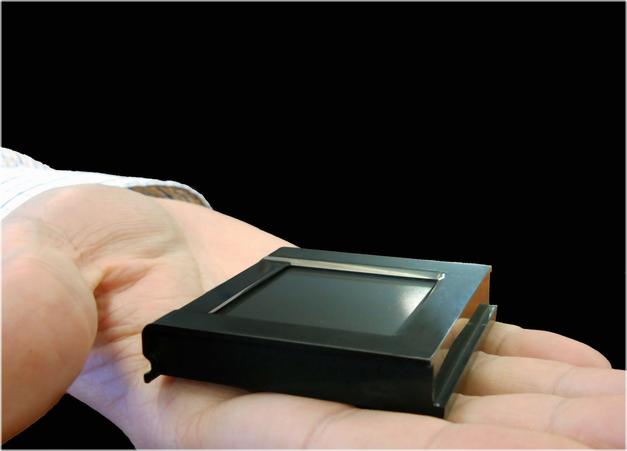
Integrated Biometrics, LLC has gotten FBI certification of its newest finger print technology, patented Light Emitting Sensor technology along with a thin film transistor. LES technology utilizes a charged polymer film interacting with the specific properties of human skin to luminesce fingerprint images, then the TFT captures the image at the FBI's standard 500 PPI requirement. The combination of LES and the thin film transistor enables size and weight reductions of up to 95% when compared to other products serving the same function. 

Prehistoric artists wanted to tell a story as accurately as possible, and so they were better at portraying the walk of four-legged animals than modern man, according to a new paper. 

Most quadrupeds have a similar sequence in which they move each limb as they walk, trot or run, and this sequence was studied and outlined in the early 1880s by Eadweard Muybridge.

 The authors examined 1000 works of prehistoric and modern artwork ranging from cave paintings of cows and elephants to statues and paintings of horses, elephants and other quadrupeds in motion to see how well these artistic depictions matched the scientific observations of animal motion. 

Erythropoietin, called EPO, is banned from sports because of claims it can enhance an athlete's performance unfairly.

A systematic review couldn't find any benefit but it found considerable risk of harm.

Professional cycling remains a popular sport though its image has been tainted by high-profile doping cases. EPO, a blood-cell stimulating hormone, recently made headlines, when the self-appointed United States of America's Anti-Doping agency (USADA) claimed that it was used by record seven-time Tour de France winner Lance Armstrong. 

 Benzodiazepines, the commonly prescribed sleeping pills and sedatives, may increase the risk of contracting pneumonia by as much as 50% and increase the risk of dying from it, suggests a new paper. 

Benzodiazepines have a wide range of uses and are commonly prescribed for anxiety, epilepsy, muscle spasm, and insomnia.

Benzodiazepines

are also frequently used in palliative care, as a sedative, and to help those with an alcohol problem to "dry out." Around 2 percent of the US and UK population have taken benzodiazepines for 12 months or more, and among the elderly this prevalence rises 10 percent.