
Banner
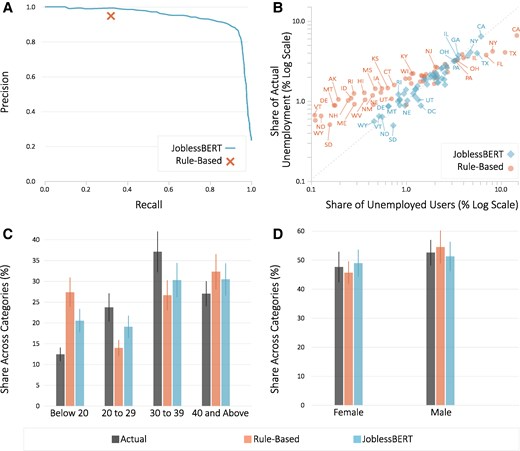
Social Media Is A Faster Source For Unemployment Data Than Government

Government unemployment data today are what Nielsen TV ratings were decades ago - a flawed metric...
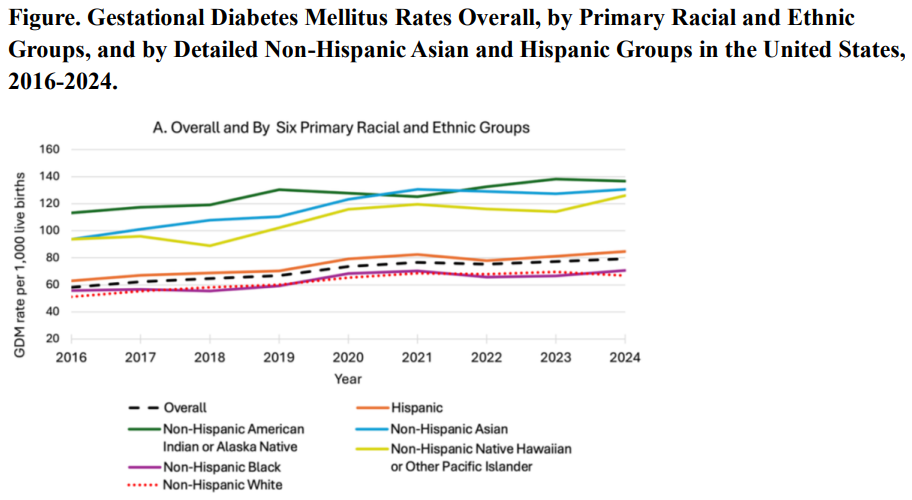
Gestational Diabetes Up 36% In The Last Decade - But Black Women Are Healthiest

Gestational diabetes, a form of glucose intolerance during pregnancy, occurs primarily in women...
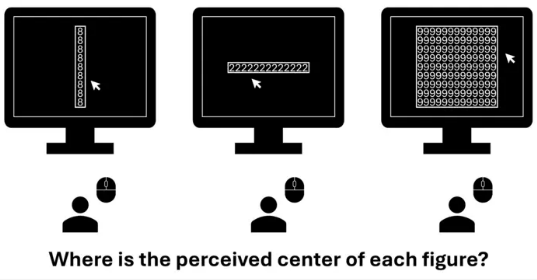
Object-Based Processing: Numbers Confuse How We Perceive Spaces

Researchers recently studied the relationship between numerical information in our vision, and...
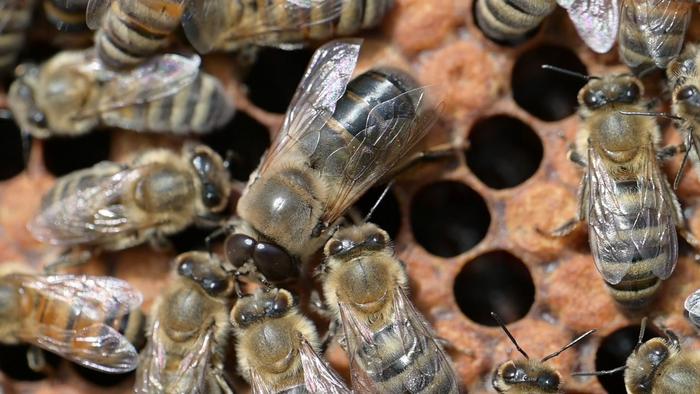
Males Are Genetically Wired To Beg Females For Food

Bees have the reputation of being incredibly organized and spending their days making sure our...

User picture.
News StaffRSS Feed of this column.

News Releases From All Over The World, Right To You... Read More »

Blogroll
A new prostate cancer awareness survey found widespread misconceptions about the disease and says the emotional impact on men is underestimated.

The physical effects of prostate cancer are widely known but men know more myths than facts about how prevalent it is and what could happen. Janssen Biotech, Inc. has released the results of its "Mind Over Manhood: Misconceptions About Prostate Cancer" survey and it reveals a significant gap between the facts about prostate cancer and what men believe about the disease.

In the past, the stereotypes of autism often included a savant capability in some specific thing. A new look at eight child 'prodigies' suggests there may actually be a link between the children's special skills and autism. 

Or, people who are really good at some things tend to develop less socially. 

Of the eight prodigies they looked at, three had a diagnosis of autism spectrum disorders and as a group, the prodigies tended to have slightly elevated scores on a test of autistic traits  compared to the control group. Half of the prodigies had a family member or a first- or second-degree relative with an autism diagnosis.

In its third century, psychological science will come of age but a mature discipline carries with it responsibilities, chief among them the responsibility to maximize confidence in findings through good data practices and replication.

In the recent issue of Perspectives on Psychological Science (free to read), writers reflect on the discipline's ongoing commitment to examine methodological issues that affect all areas of science — such as failures to replicate previous findings and problems of bias and error — with the goal of strengthening the discipline and contributing to the discussion that is taking place throughout science.
Most people can't read lips. If you turn down the sound on your television, you can see why it is difficule. Unless trained, if you see someone speak a sentence without the accompanying sounds, you are unlikely to recognize many words but it turns out people can lip-read themselves better than they can lip-read others, and that shows an interesting link between speech perception and speech production.
Should child care providers be tasked with childhood obesity too? 

The National Health and Nutrition Examination Surveys found that over 21% of children ages 2 to 5 were considered overweight or even obese.  That has led some advocates to posit that child care settings can tackle teaching children about nutrition, since nearly 50% of children in the United States under age 5 go to some kind of child care.

OptiNose US Inc. has announced that its Norwegian affiliate was awarded $2.1 million by the Research Council of Norway to study its nasal drug delivery technology in the treatment of autism spectrum disorders (ASDs).

OptiNose will use this research grant to investigate "nose-to-brain" transport of oxytocin via the patented OptiNose Bi-Directional delivery technology for the treatment of ASDs. Partners who have agreed to collaborate with OptiNose in the project include the Department of Psychiatry at Oslo University Hospital, SINTEF and Smerud Medical Research and Norwegian academic insitutions.




