Banner
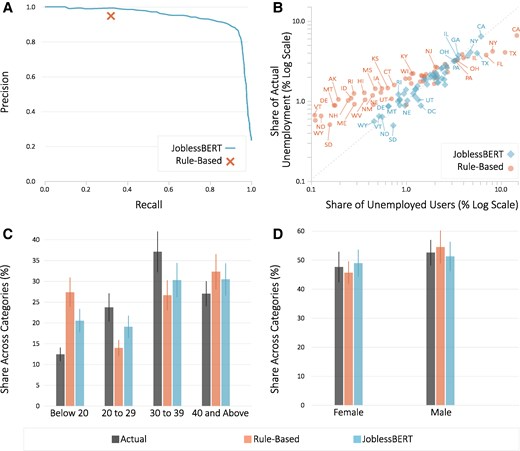
Social Media Is A Faster Source For Unemployment Data Than Government

Government unemployment data today are what Nielsen TV ratings were decades ago - a flawed metric...

Gestational Diabetes Up 36% In The Last Decade - But Black Women Are Healthiest

Gestational diabetes, a form of glucose intolerance during pregnancy, occurs primarily in women...
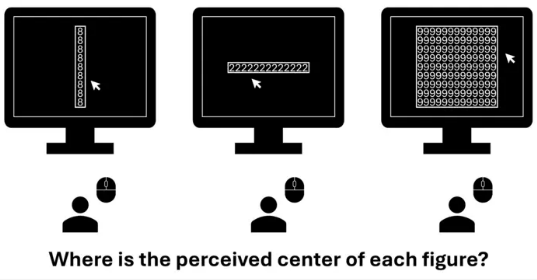
Object-Based Processing: Numbers Confuse How We Perceive Spaces

Researchers recently studied the relationship between numerical information in our vision, and...
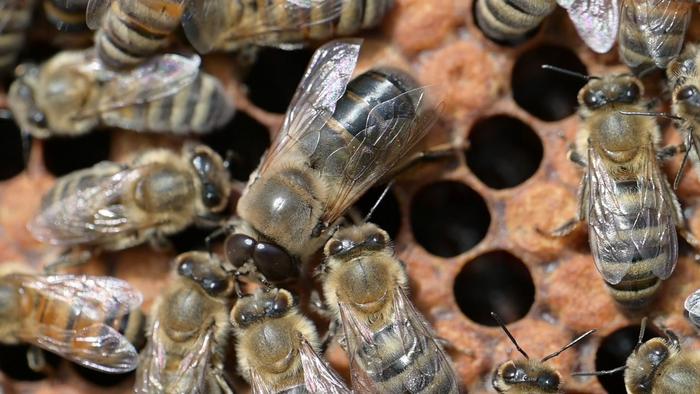
Males Are Genetically Wired To Beg Females For Food

Bees have the reputation of being incredibly organized and spending their days making sure our...

User picture.
News StaffRSS Feed of this column.

News Releases From All Over The World, Right To You... Read More »

Blogroll

Americans are bombarded with antismoking messages, yet at least 65 million of us continue to light up. Genetic factors play an important role in this continuing addiction to cigarettes, suggest scientists at Washington University School of Medicine in St. Louis.

In two studies in the January 2007 issue of Human Molecular Genetics, the scientists show that certain genetic variations can influence smoking behaviors and contribute to a person's risk for nicotine dependence.

The smoking-related genes identified normally facilitate communication between nerve cells in the brain. One gene in particular, the alpha-5 nicotinic cholinergic receptor (CHRNA5) gene, was a very strong indicator of risk for nicotine dependence.

Newborns with respiratory distress should be evaluated for primary ciliary dyskinesia, a rare genetic disease that has features similar to cystic fibrosis, says Thomas Ferkol, M.D., from Washington University School of Medicine in St. Louis. He reports finding that about 80 percent of patients with primary ciliary dyskinesia (PCD) have a history of newborn respiratory distress.

"The diagnosis of PCD requires a high index of suspicion, but PCD must be considered in any term newborn who develops respiratory distress or persistent hypoxemia (low oxygen in the blood), especially those who have reversed internal organs or an affected sibling," says Ferkol, director of the Division of Pediatric Allergy and Pulmonary Medicine at Washington University School of Medicine and St.

Patients with Parkinson's disease who are younger when they develop the condition, have a personality trait known as novelty-seeking or whose personal or family history includes alcohol abuse may be more likely to develop pathological gambling as a side effect of medications used to treat their condition, according to a report in the February issue of Archives of Neurology, one of the JAMA/Archives journals.

Behaviors associated with impulse control—including compulsive shopping, hypersexuality, binge eating and pathological gambling—have been associated with dopamine agonists, medications used to treat Parkinson's disease.

University of Michigan Comprehensive Cancer Center researchers have discovered the small number of cells in pancreatic cancer that are capable of fueling the tumor's growth. The finding is the first identification of cancer stem cells in pancreatic tumors.

Cancer stem cells are the small number of cancer cells that replicate to drive tumor growth. Researchers believe current cancer treatments sometimes fail because they are not attacking the cancer stem cells. By identifying the stem cells, researchers can then develop drugs to target and kill these cells.


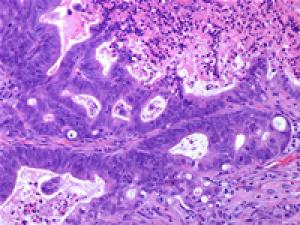
Pancreatic tumor generated from cancer stem cells. (Image courtesy of University of Michigan Health System)

Every day we plan numerous actions, such as to return a book to a friend or to make an appointment. How and where the brain stores these intentions has been revealed by John-Dylan Haynes from the Max Planck Institute for Human Cognitive and Brain Sciences, in cooperation with researchers from London and Tokyo. For the first time they were able to "read" participants' intentions out of their brain activity. This was made possible by a new combination of functional magnetic resonance imaging and sophisticated computer algorithms (Current Biology, 20th February 2007, online: 8th February).


Brain regions from which it was possible to "read out" peoples' intentions.

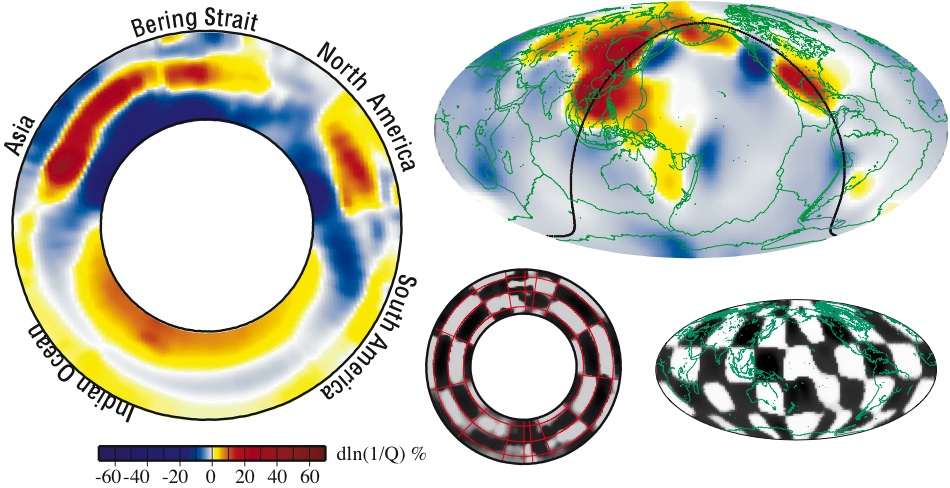
A seismologist at Washington University in St. Louis has made the first 3-D model of seismic wave damping — diminishing — deep in the Earth's mantle and has revealed the existence of an underground water reservoir at least the volume of the Arctic Ocean.

It is the first evidence for water existing in the Earth's deep mantle.


One of the most dramatic features in the Wysession et. al global mantle shear-wave attenuation model is a very high-attenuation anomaly at the top of the lower mantle beneath eastern Asia. This anomaly is believed due to water that has been pumped into the lower mantle via the long history of the subduction of oceanic lithosphere — crust and upper mantle — in this region.