
Banner
E. Coli Linked To Diabetic Foot Infections Gets Worldwide Analysis

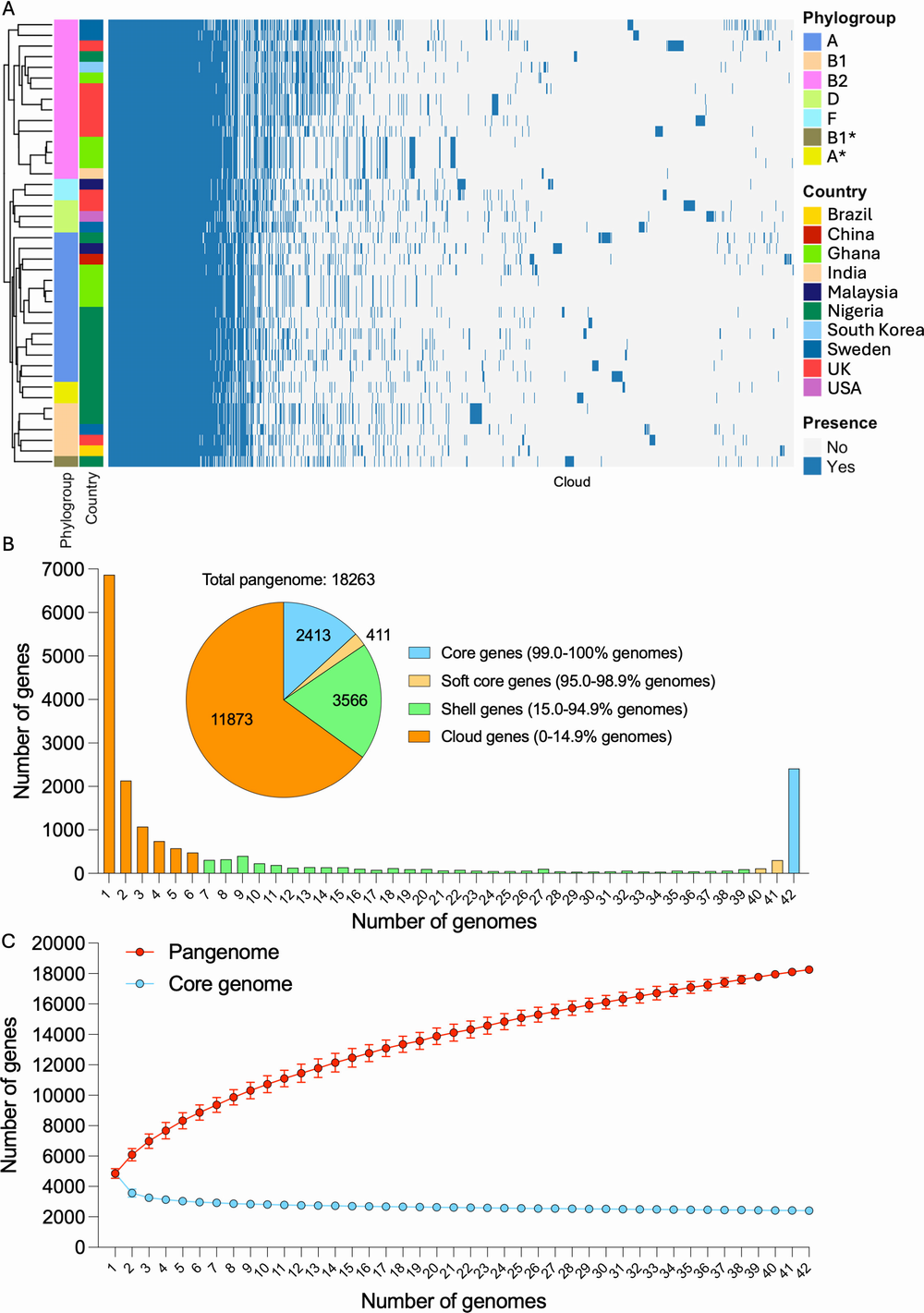
Diabetic foot infections are a serious complications of diabetes and a leading cause of lower-limb...
Social Media Is A Faster Source For Unemployment Data Than Government

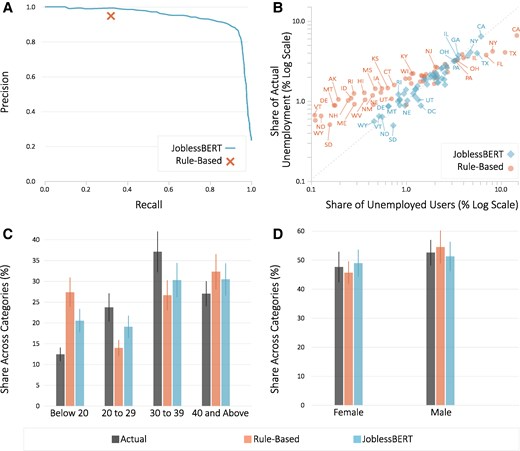
Government unemployment data today are what Nielsen TV ratings were decades ago - a flawed metric...
Gestational Diabetes Up 36% In The Last Decade - But Black Women Are Healthiest

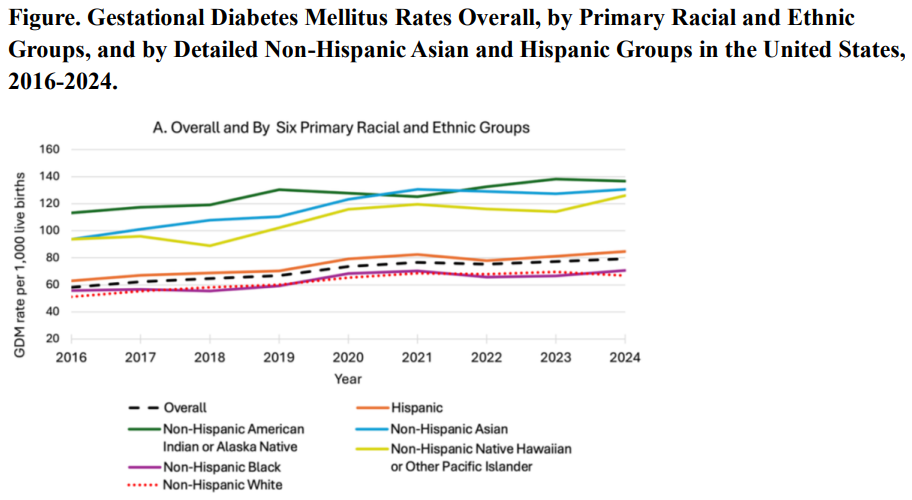
Gestational diabetes, a form of glucose intolerance during pregnancy, occurs primarily in women...

Object-Based Processing: Numbers Confuse How We Perceive Spaces

Researchers recently studied the relationship between numerical information in our vision, and...

User picture.
News StaffRSS Feed of this column.

News Releases From All Over The World, Right To You... Read More »

Blogroll

Glioblastoma is the most common primary malignant adult brain tumor and, despite treatment advances in recent years, the average survival of patients enrolled in clinical trials is less than 16 months.

Few patients live beyond five years.

Glioblastoma
tumors are characterized by angiogenesis — the formation of new blood vessels that support tumor growth stimulated by the GBM-produced vascular endothelial growth factor A (VEGF-A).

Bevacizumab is a monoclonal antibody that targets VEGF-A production to block the growth of tumor-derived blood vessels.

PHILADELPHIA – A new study provides evidence for what many people who experience headache have long suspected—having more stress in your life leads to more headaches. The study released today will be presented at the American Academy of Neurology's 66th Annual Meeting in Philadelphia, April 26 to May 3, 2014.

For the study, 5,159 people age 21 to 71 in the general population were surveyed about their stress levels and headaches four times a year for two years. Participants stated how many headaches they had per month and rated their stress level on a scale of zero to 100.

Peru's treasured Manu National Park is the world's top biodiversity hotspot for reptiles and amphibians, according to a new survey published last week by biologists from the University of California, Berkeley, Southern Illinois University in Carbondale (SIU-Carbondale) and Illinois Wesleyan University.

The park, which encompasses lowland Amazonian rain forest, high-altitude cloud forest and Andean grassland east of Cuzco, is well known for its huge variety of bird life, which attracts ecotourists from around the globe. More than 1,000 species of birds, about 10 percent of the world's bird species; more than 1,200 species of butterflies; and now 287 reptiles and amphibians have been recorded in the park.

Researchers at UCL have studied the behaviour of the Sun's coronal mass ejections, explaining for the first time the details of how these huge eruptions behave as they fall back onto the Sun's surface. In the process, they have discovered that coronal mass ejections have a surprising twin in the depths of space: the tendrils of gas in the Crab Nebula, which lie 6500 light-years away and are millions of times larger.

On 7 June 2011, the biggest ejection of material ever observed erupted from the surface of the Sun. Over the days that followed, the plasma belched out by the Sun made its way out into space. But most of the material propelled up from the Sun's surface quickly fell back towards our star's surface.

URBANA, Ill. – Just as with people, feline obesity is most often linked to excessive food intake or not enough physical activity. Attempts to cut back on calories alone often result in failed weight loss or weight regain in both people and their pets.

So how do you encourage your cat to get more exercise?

Researchers from the University of Illinois interested in finding a method to maintain healthy body weight in cats, looked at a previously suggested claim that increased meal frequency could help to increase overall physical activity.

The idea is to feed cats the appropriate amount of food needed to maintain a healthy body weight, but to offer it in more frequent, smaller meals throughout the day.

A new study by a Wits University scientist has overturned a long-standing hypothesis about plant speciation (the formation of new and distinct species in the course of evolution), suggesting that agricultural crops could be more vulnerable to climate change than was previously thought.

Unlike humans and most other animals, plants can tolerate multiple copies of their genes – in fact some plants, called polyploids, can have more than 50 duplicates of their genomes in every cell. Scientists used to think that these extra genomes helped polyploids survive in new and extreme environments, like the tropics or the Arctic, promoting the establishment of new species.


