
Banner
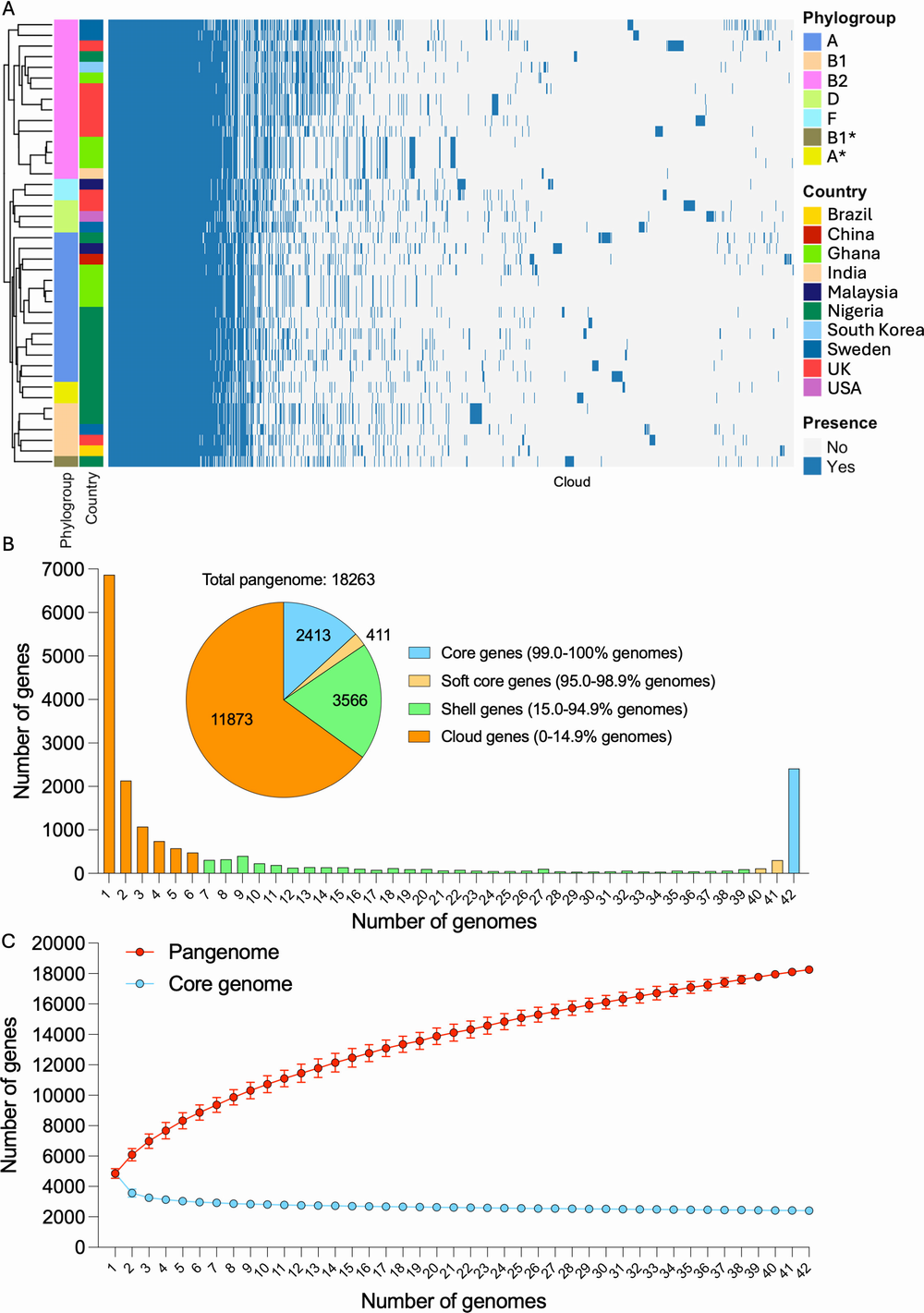
E. Coli Linked To Diabetic Foot Infections Gets Worldwide Analysis

Diabetic foot infections are a serious complications of diabetes and a leading cause of lower-limb...

Social Media Is A Faster Source For Unemployment Data Than Government

Government unemployment data today are what Nielsen TV ratings were decades ago - a flawed metric...

Gestational Diabetes Up 36% In The Last Decade - But Black Women Are Healthiest

Gestational diabetes, a form of glucose intolerance during pregnancy, occurs primarily in women...

Object-Based Processing: Numbers Confuse How We Perceive Spaces

Researchers recently studied the relationship between numerical information in our vision, and...

User picture.
News StaffRSS Feed of this column.

News Releases From All Over The World, Right To You... Read More »

Blogroll

UT Arlington researchers focusing on the Amazon recently found that widespread conversion from rainforest to pastureland has significant effects on microorganism communities that may lead to a reduction in the region's role as a reservoir for greenhouse gas.

The Amazon rainforest is the largest terrestrial reservoir or "sink" for carbon dioxide, a gas that has been linked to climate change. Through photosynthesis, the Amazon absorbs 1.5 billion tons of carbon dioxide from the atmosphere every year in a process that requires input of nitrogen.

Breast cancer runs in families; however, genetic predisposition (such as being BRCA1 or BRCA2 mutation carriers) explains only a portion of this observation. Epigenetic changes (modifications in the genome that alter gene expression but do not affect the DNA sequence per se) have been shown to also play a role in breast cancer risk.

The gene that has provided spring barley with resistance to powdery mildew for over 30 years increases susceptibility to newly-important disease Ramularia leaf spot.

Scientists confirm the trade-off in a paper published in the Journal of Experimental Botany. Since 1980, the mlo gene has transformed mildew from the most important disease of barley to an occasional nuisance in wetter areas of the UK.

"Having suspected that one of the most successful and widely-used resistances to an important crop disease has the detrimental effect of increasing susceptibility to another, we took a closer look," says Professor James Brown from the John Innes Centre.

The biological term "symbiosis" refers to what economists and politicians usually call a win-win situation: a relationship between two partners which is beneficial to both. The mutualistic association between acacia plants and the ants that live on them is an excellent example: The plants provide food and accommodation in the form of food bodies and nectar as well as hollow thorns which can be used as nests. The ants return this favor by protecting the plants against herbivores. Researchers at the Max Planck Institute for Chemical Ecology in Jena, Germany, have now found that ants also keep harmful leaf pathogens in check. The presence of ants greatly reduces bacterial abundance on surfaces of leaves and has a visibly positive effect on plant health.

PROVIDENCE, R.I. – Julie Boergers, Ph.D., a psychologist and sleep expert from the Bradley Hasbro Children's Research Center, recently led a study linking later school start times to improved sleep and mood in teens. The article, titled "Later School Start Time is Associated with Improved Sleep and Daytime Functioning in Adolescents," appears in the current issue of the Journal of Developmental & Behavioral Pediatrics.

CORVALLIS, Ore. – In a finding that overturns the conventional view that large old trees are unproductive, scientists have determined that for most species, the biggest trees increase their growth rates and sequester more carbon as they age.

In a letter published today in the journal Nature, an international research group reports that 97 percent of 403 tropical and temperate species grow more quickly the older they get. The study was led by Nate L. Stephenson of the U.S. Geological Survey Western Ecological Research Center. Three Oregon State University researchers are co-authors: Mark Harmon and Rob Pabst of the College of Forestry and Duncan Thomas of the College of Agricultural Sciences.

