Banner
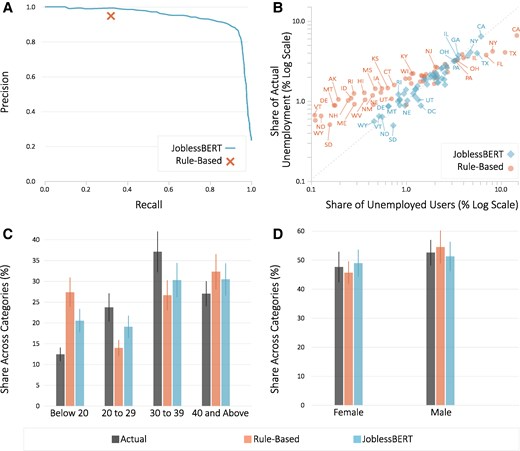
Social Media Is A Faster Source For Unemployment Data Than Government

Government unemployment data today are what Nielsen TV ratings were decades ago - a flawed metric...

Gestational Diabetes Up 36% In The Last Decade - But Black Women Are Healthiest

Gestational diabetes, a form of glucose intolerance during pregnancy, occurs primarily in women...

Object-Based Processing: Numbers Confuse How We Perceive Spaces

Researchers recently studied the relationship between numerical information in our vision, and...

Males Are Genetically Wired To Beg Females For Food

Bees have the reputation of being incredibly organized and spending their days making sure our...

User picture.
News StaffRSS Feed of this column.

News Releases From All Over The World, Right To You... Read More »

Blogroll

Almost one-third of US adolescents consume high-caffeine energy drinks and the teens who do also report higher rates of alcohol, cigarette, or drug use, according to a paper in the Journal of Addiction Medicine.

The same characteristics that attract young people to consume energy drinks—such as being "sensation-seeking or risk-oriented" — may make them more likely to use other substances as well, suggests the new paper by Yvonne M. Terry-McElrath, MSA, and colleagues of the Institute for Social Research, University of Michigan, Ann Arbor. 

For decades, scientists have been pushing toward the goal of creating artificial building blocks that can self-assemble in large numbers and reassemble to take on new tasks or to remedy defects. Researchers from the University of Southern Denmark have taken a step toward that.

"The potential of such new man-made systems is almost limitless, and many expect these novel materials to become the foundation of future technologies," says Dr. Maik Hadorn from Department of Chemistry and Applied Biosciences at ETH Zürich. "We used short DNA strands as smart glue to link preliminary stages of artificial cells (called artificial vesicles) to engineer novel tissue-like structures."

Do you prize your self on individual initiative or do you feel like the events in your life are outside your control and you just have to react? Do you think there needs to be more rules and regulations to manage things for you, or would you rather make it on your own?

An article in Health Psychology finds that how you view your life can affect your risk of mortality; people who believe they can achieve goals despite hardships are more likely to live longer and healthier lives, especially among those with less education.

If you want to get quality research, you want the best researchers, right?

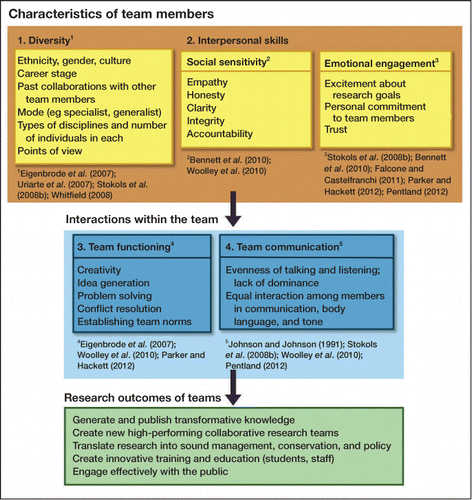
Not necessarily. An advanced trend in science academia is social engineering, and that means building a team that isn't simply the best minds, but has a diverse mix of ethnicity and gender and culture that can also communicate well, are socially sensitive and emotionally engaged with each other. 

Good luck quantifying how "emotionally engaged" you are at review time.

Sensory Substitution Devices (SSDs) use auditory or tactile stimulation to provide representations of visual information and can help the blind "see" colors and shapes.

Users recognize the image without seeing it because the information is transformed into audio or touch signals. But few people in the blind community actually use them because they are cumbersome and unpleasant to use.

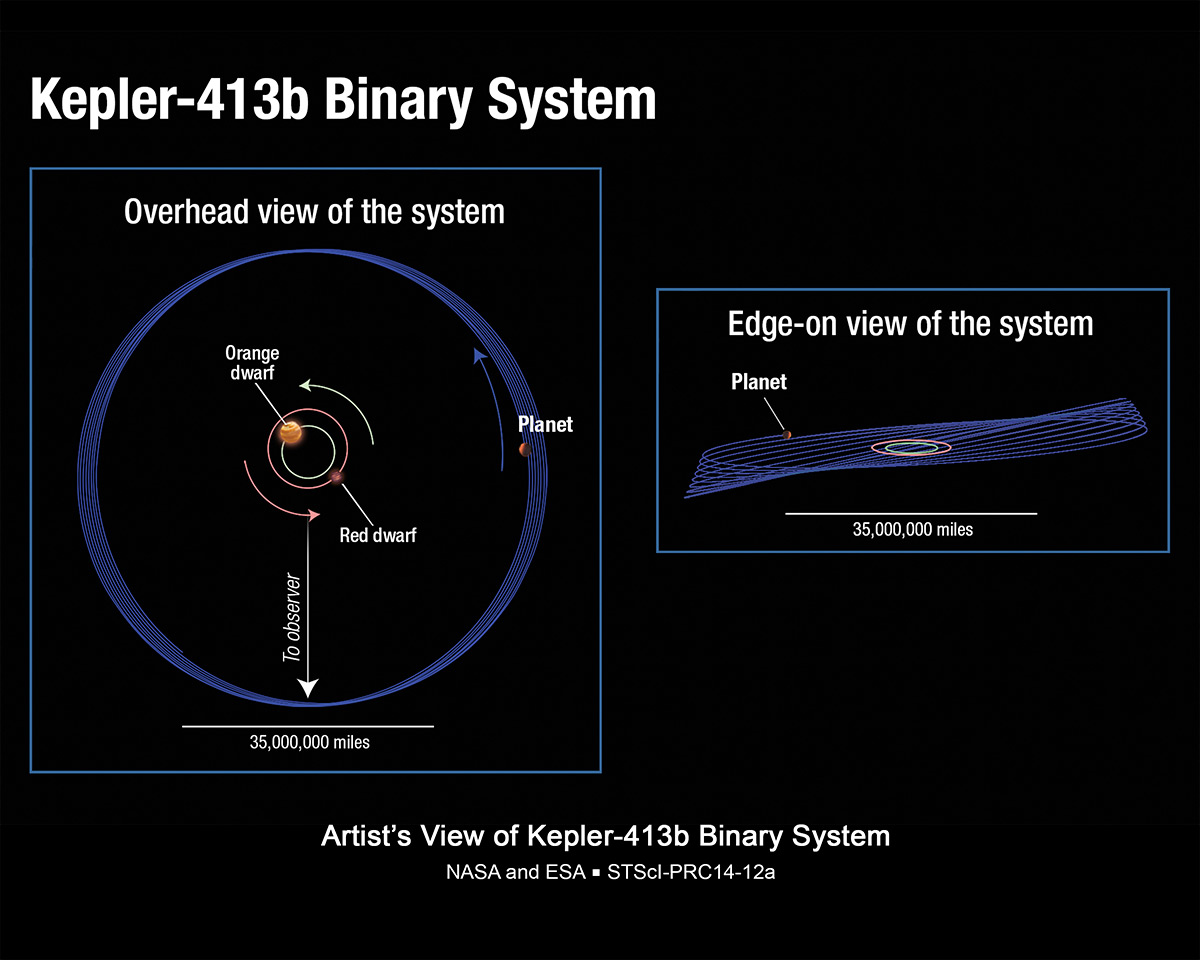
Kepler-413b is located 2,300 light-years (about 700 parsecs) away in the constellation Cygnus. It circles a close pair of orange and red dwarf stars every 66 days but what really makes Kepler-413b unusual is that it precesses wildly on its spin axis - The tilt of the spin axis of the planet can vary by as much as 30 degrees over 11 years with respect to the plane of the binary star's orbit.

Compare that to the Earth's rotational precession, which is a far more modest 23.5 degrees over 26,000 years. This far-off planet is far-out and all of this complex movement leads to rapid and erratic changes in seasons.  That it is precessing on a human timescale is simply amazing.