Banner
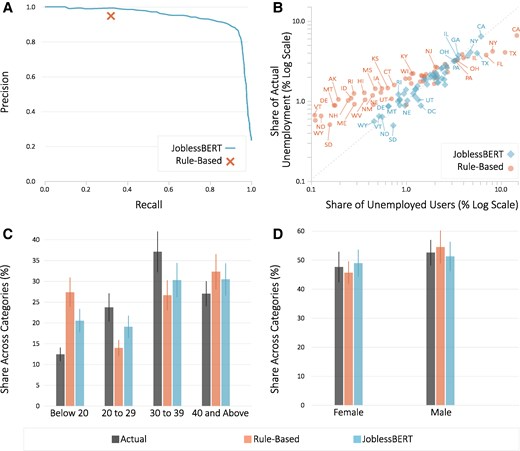
Social Media Is A Faster Source For Unemployment Data Than Government

Government unemployment data today are what Nielsen TV ratings were decades ago - a flawed metric...
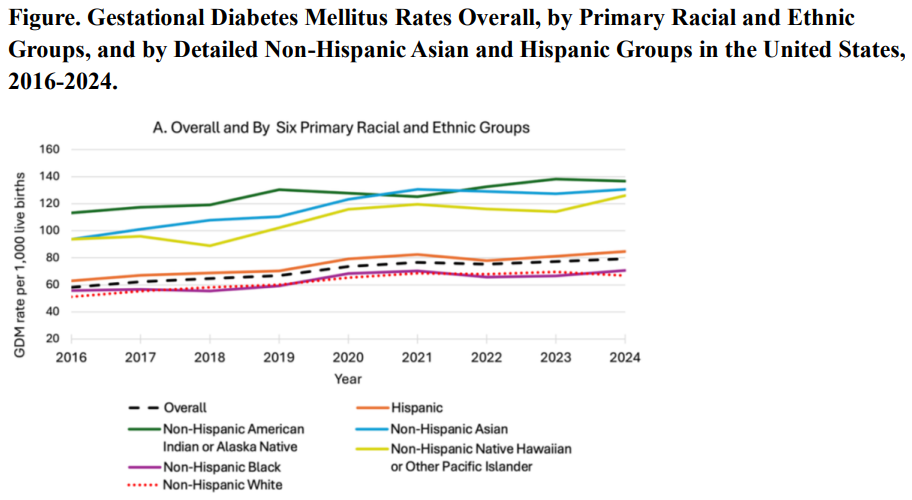
Gestational Diabetes Up 36% In The Last Decade - But Black Women Are Healthiest

Gestational diabetes, a form of glucose intolerance during pregnancy, occurs primarily in women...

Object-Based Processing: Numbers Confuse How We Perceive Spaces

Researchers recently studied the relationship between numerical information in our vision, and...

Males Are Genetically Wired To Beg Females For Food

Bees have the reputation of being incredibly organized and spending their days making sure our...

User picture.
News StaffRSS Feed of this column.

News Releases From All Over The World, Right To You... Read More »

Blogroll

JHidden underneath hilly grasslands studded with ocotillos and mesquite trees in southeastern Arizona lies a world shrouded in perpetual darkness - Kartchner Caverns, a limestone cave system known for its untouched cave formations, sculpted over millennia by groundwater dissolving the bedrock and carving out underground rooms. Its passages attract tourists from all over the world. 

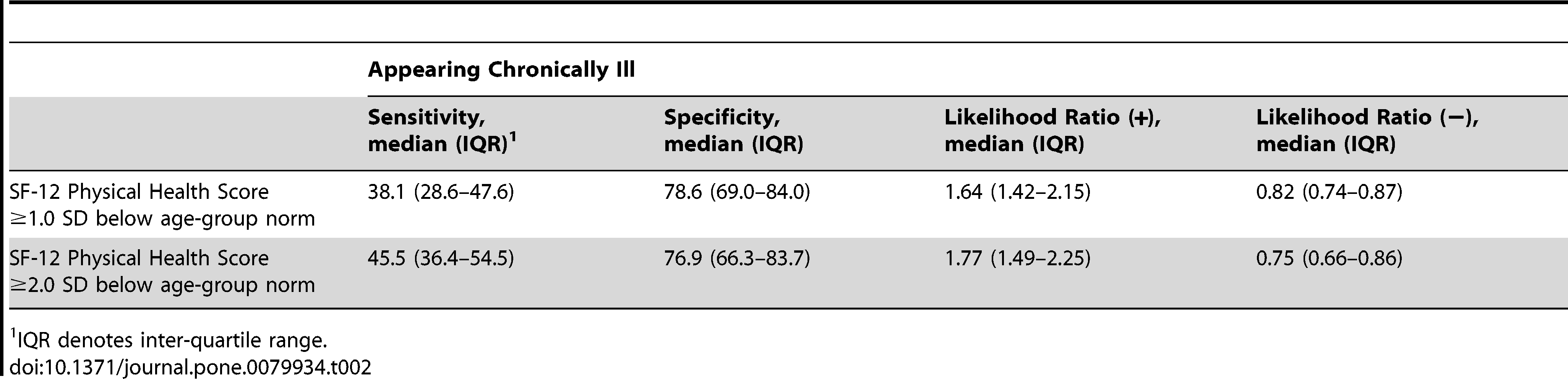
A physical examination is not complete without an assessment of whether a patient appears to be acutely or chronically ill but a new paper says how sick a patient appears to be may have limited value in diagnosing their actual state of health.

The researchers took photographs of patients who visited five of the hospital's primary care or general internal medicine clinics and asked them to fill out a survey regarding their general physical and mental health. General internal medicine physicians and residents looked at the photos, were told how old each patient was and were then asked "do you think this patient looks chronically ill?"

The study found that a physician accurately identified that a patient was chronically ill in only 45.5 per cent of cases.

Epidemiologists are saying exposure to air pollution appears to increase the risk for autism among people who carry a certain genotype genetic disposition for the neurodevelopmental disorder, a functional promoter variant (rs1858830) in the MET receptor tyrosine kinase (MET) gene.

Autism spectrum disorder (ASD) is a lifelong neurodevelopmental disability characterized by problems with social interaction, communication and repetitive behaviors. The Centers for Disease Control and Prevention estimates that one in 88 children in the United States has an ASD and there are recent claims that it is highly heritable, which would suggest that genetics are an important contributing factor, but many questions about its causes remain. There currently is no cure for the disorder.

Gout, historically known as 'the king of diseases and the disease of kings' because it primarily happened to people with indulgent lifestyles, may have a genetic component after all, according to a new paper in Annals of the Rheumatic Diseases.

Gout is a kind of inflammatory arthritis, with sudden onset of acute pain, redness and swelling in peripheral joints, most commonly the joint in the big toe. It is caused by the deposition of monosodium urate crystals, which is related to high uric acid in the blood. The resulting acute arthritis and lumps around the joint cause disability due to pain and loss of joint function.There is some evidence that gout is also associated with major cardiovascular (heart attack, stroke) and renal diseases (kidney failure).

Fish is good for you. While fish farming takes hold, the legacy way of providing fish, boats and nets, is still in use. But in most parts of the world, it's hard to know how much fish is being caught, and that makes it difficult to engage in proper resource management or justify farmed fish.

Google Earth may be here to help.

Large fish traps in the Persian Gulf could be catching up to six times more fish than what's being officially reported, according to the first investigation of fish catches from space conducted by University of British Columbia scientists.

A recent paper from North Carolina State University found that companies that screen the social media accounts of job applicants alienate potential employees – making it harder for them to attract top job candidates.  

In some cases, social media screening might even increase the likelihood that job candidates may take legal action against the offending company. At least until the real world economy sets in.