

Banner
The Scorched Cherry Twig And Other Christmas Miracles Get A Science Look

Bleeding hosts and stigmatizations are the best-known medieval miracles but less known ones, like ...
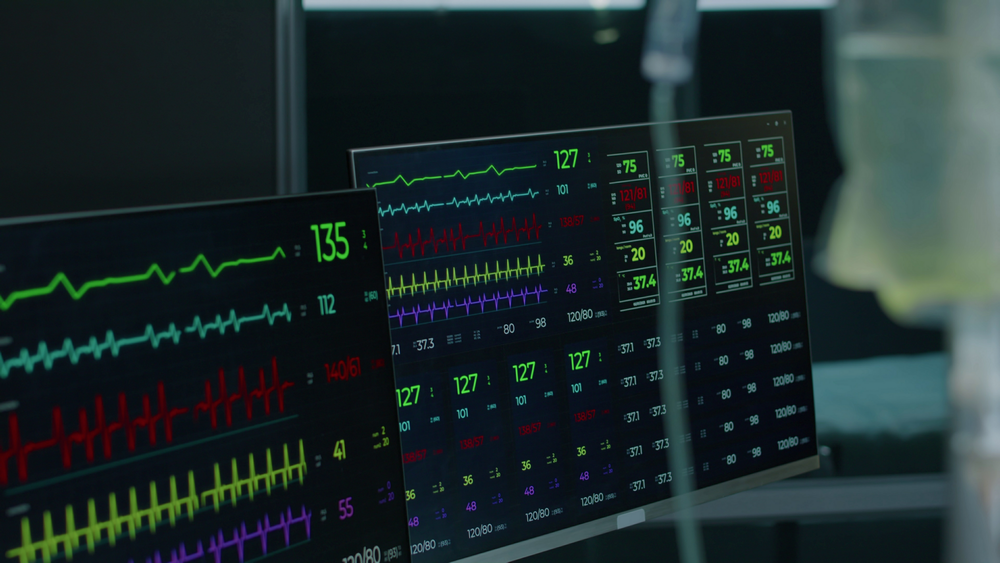
$0.50 Pantoprazole For Stomach Bleeding In ICU Patients Could Save Families Thousands Of Dollars

The inexpensive medication pantoprazole prevents potentially serious stomach bleeding in critically...
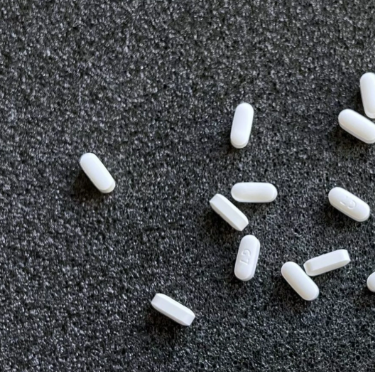
Metformin Diabetes Drug Used Off-Label Also Reduces Irregular Heartbeats

Adults with atrial fibrillation (AFib) who are not diabetic but are overweight and took the diabetes...

Your Predator: Badlands Future - Optical Camouflage, Now Made By Bacteria

In the various 'Predator' films, the alien hunter can see across various spectra while enabling...

User picture.
News StaffRSS Feed of this column.

News Releases From All Over The World, Right To You... Read More »

Blogroll

Young women with breast cancer often overestimate the odds that cancer will occur in their other, healthy breast, and decide to have the healthy breast surgically removed - a procedure known as a contralateral prophylactic mastectomy, the removal of a nonaffected breast in a woman with unilateral breast cancer -- despite knowing it will be unlikely to improve their chance of survival.

The survey results show a certain disconnect between what many patients know on an abstract, intellectual level -- that CPM has little impact on survival rates for most women -- and the choices they make after receiving the anxiety-inducing diagnosis of breast cancer, the authors say; better safe than sorry.

A small pilot study has found that changes in diet, exercise and stress management may result in longer telomeres, the parts of chromosomes that affect aging - the first controlled trial to show that any intervention might lengthen telomeres over time.

Telomeres are the protective caps on the ends of chromosomes that affect how quickly cells age. They are combinations of DNA and protein that protect the ends of chromosomes and help them remain stable. As they become shorter, and as their structural integrity weakens, the cells age and die quicker.

In recent years, shorter telomeres have become associated with a broad range of aging-related diseases, including many forms of cancer, stroke, vascular dementia, cardiovascular disease, obesity, osteoporosis and diabetes.

A new paper has found that vaccinating cattle against the E. coli O157 bacterium could cut the number of human cases of the disease by 85%.

The bacteria, which cause severe gastrointestinal illness and death in humans, are spread by consuming contaminated food and water, or by contact with livestock feces in the environment. Cattle are the main reservoir for the bacterium. The vaccines that are available for cattle are rarely used.

The study used veterinary, human and molecular data to examine the risks of E. coli O157 transmission from cattle to humans, and to estimate the impact of vaccinating cattle.

Researchers at Université Pierre et Marie Curie in France have unveiled a new technique that allows microscope users to manipulate samples using a technology known as haptic optical tweezers.

The new technique allows users to explore the microworld by sensing and exerting piconewton-scale forces with trapped microspheres with the haptic optical tweezers, allowing improved dexterity of micromanipulation and micro-assembly. 

An environmentally-friendly electronic alloy consisting of 50 aluminum atoms bound to 50 atoms of antimony may be promising for building next-generation "phase-change" memory devices, which could be an alternative to slower speed, lower storage density flash memory for data storage applications.

Phase-change memory relies on materials that change from a disordered, amorphous structure to a crystalline structure when an electrical pulse is applied. The material has high electrical resistance in its amorphous state and low resistance in its crystalline state -- corresponding to the 1 and 0 states of binary data.

It often takes several weeks to feel the effect of newly prescribed antidepressants - a lingering mystery and a frustration to both patients and physicians.

CREB, and CREM to some degree, has been implicated in the pathophysiology of depression, as well as in the efficacy of antidepressants. However, whenever CREB is deleted, CREM is upregulated, further complicating the story.



