

Banner
The Scorched Cherry Twig And Other Christmas Miracles Get A Science Look

Bleeding hosts and stigmatizations are the best-known medieval miracles but less known ones, like ...

$0.50 Pantoprazole For Stomach Bleeding In ICU Patients Could Save Families Thousands Of Dollars

The inexpensive medication pantoprazole prevents potentially serious stomach bleeding in critically...
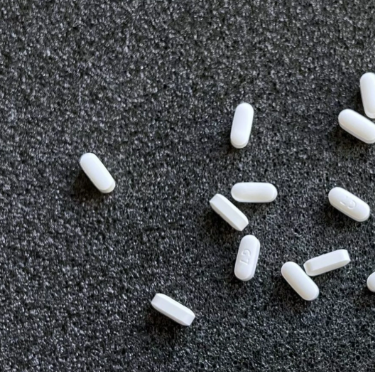
Metformin Diabetes Drug Used Off-Label Also Reduces Irregular Heartbeats

Adults with atrial fibrillation (AFib) who are not diabetic but are overweight and took the diabetes...

Your Predator: Badlands Future - Optical Camouflage, Now Made By Bacteria

In the various 'Predator' films, the alien hunter can see across various spectra while enabling...

User picture.
News StaffRSS Feed of this column.

News Releases From All Over The World, Right To You... Read More »

Blogroll

A new study has found that not only does fish skin resemble the gut morphologically, but key components of skin immune responses are also akin to those of the gut. 

Fish skin is unique in that it lacks keratin, the fibrous protein found in mammalian skin that provides a barrier against the environment. Instead, the epithelial cells of fish skin are in direct contact with the immediate environment: water. Similarly, the epithelial cells that line the gastrointestinal tract are also in direct contact with their immediate milieu.

The cyclic wobble of the Earth on its axis, axial precession, controls the production of  "fixed" nitrogen, a nutrient essential to the health of the ocean, according to a new study.

Before there was life on Earth, there was a primordial soup of molecules, and at some point a specialized molecules began replicating. This self-replication kick-started a biochemical process that would lead to the first organisms.

How those molecules began replicating has been one of science's enduring mysteries.

In the early 1980s, researchers found that ribozymes — RNA enzymes — act as catalysts. It was evidence that RNA can be both the blueprints and the chemical catalysts that put those blueprints into action. This finding led to the "RNA World" hypothesis, which posits that RNA alone triggered the rise of life from a sea of molecules.

NASA's Voyager 1 spacecraft has been hurtling away from the Sun since it was launched in 1977 and various reports have indicated that the spacecraft has left the heliosphere, the bubble of hot, energetic charged particles surrounding the Solar System, and entered into a region of cold, dark space, known as interstellar space.

New measurements show that plasma densities around the spacecraft are consistent with theoretical predictions of the interstellar medium and that Voyager 1 arrived in this cold, unexplored interstellar region on or about 25 August, 2012. 

TheSkyNet, a community computing project dedicated to astronomy that was initiated by the International Centre of Radio Astronomy Research (ICRAR) in Perth, Western Australia,  is celebrating its two year anniversary today with the official launch of a new research project, called T2 – Transform 2.  

The world has plenty of water but not where people actually live. Arid regions lack both water and the energy to make water potable. Ironically, the energy needed to make water potable or ship it to arid regions will result in greenhouse gas emissions that result in less water, according to a new paper.

The authors write that current targets for greenhouse gas emissions - which would set the mean temperature increase at around 3.5°C above pre-industrial levels - will expose 668 million people worldwide to new or aggravated water scarcity.


