
Banner
Social Media Is A Faster Source For Unemployment Data Than Government

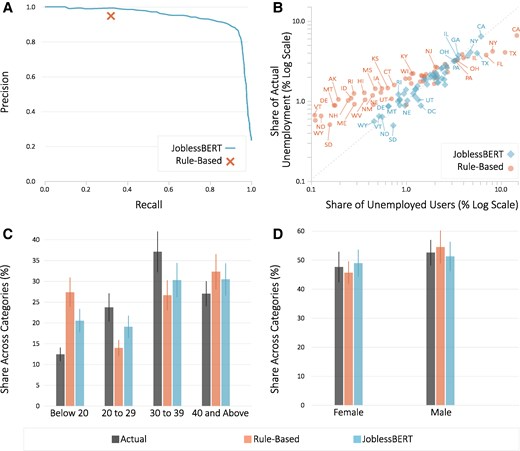
Government unemployment data today are what Nielsen TV ratings were decades ago - a flawed metric...
Gestational Diabetes Up 36% In The Last Decade - But Black Women Are Healthiest

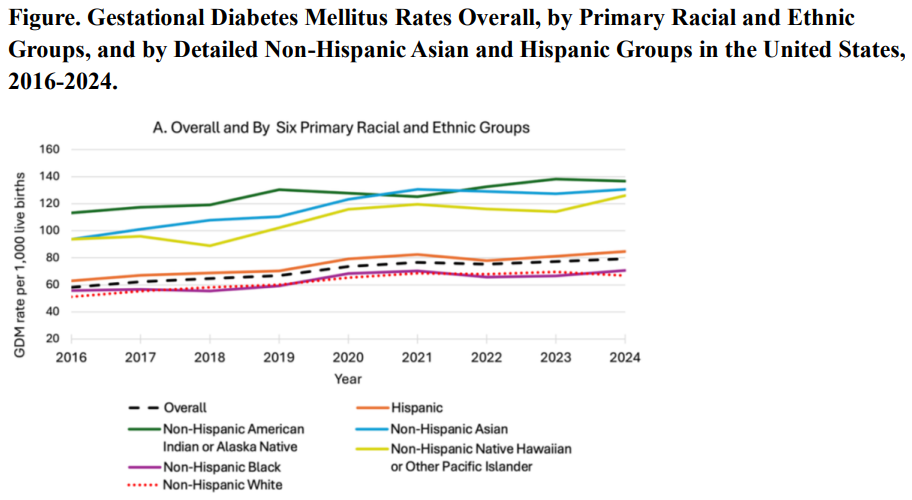
Gestational diabetes, a form of glucose intolerance during pregnancy, occurs primarily in women...
Object-Based Processing: Numbers Confuse How We Perceive Spaces

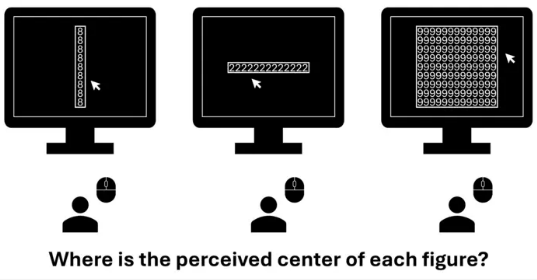
Researchers recently studied the relationship between numerical information in our vision, and...
Males Are Genetically Wired To Beg Females For Food

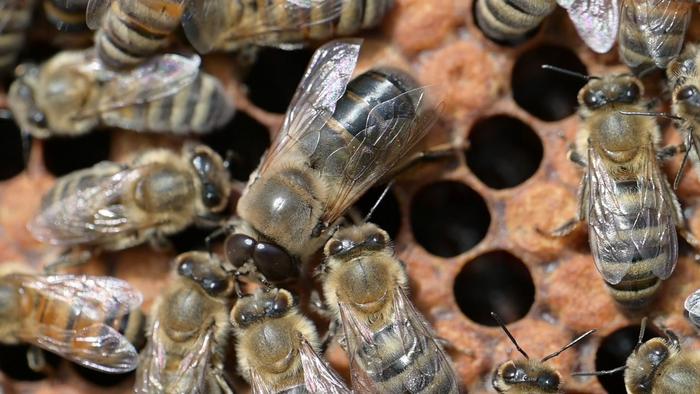
Bees have the reputation of being incredibly organized and spending their days making sure our...

User picture.
News StaffRSS Feed of this column.

News Releases From All Over The World, Right To You... Read More »

Blogroll

Our internal circadian clock regulates daily life processes and is synchronized by external cues, the Zeitgeber, with the main cue being the light-dark cycle.

But the light-dark cycle effect is largely reduced in extreme habitats such as in the Arctic during the polar summer. Using a radiotelemetry system a team of researchers from the Max Planck Institute for Ornithology have now found, in four bird species in Alaska, different daily activity patterns ranging from strictly rhythmic to completely arrhythmic. These differences are attributed to the species' mating systems and behaviors. Their study shows that activity patterns can change according to social and environmental factors, which suggests a remarkable plasticity in the avian circadian system.

Glycoproteins are sugar-protein hybrid molecules that the protective mucus that lines our lungs and stomach and are also part of the fluid that lubricates our joints, the synovial fluid, and cover all our cells, with the sugar parts, the glycans, sticking out like a tiny forest of antennae.

 Researchers at ETH Zurich and Empa have also identified a surprising effect that glycans have on the water molecules that surround them.

Air pollution is related to forest decline and also appears to attack the protecting wax on tree leaves and needles, say scientists who have now discovered a responsible mechanism: particulate matter salt compounds that become deliquescent because of humidity and form a wick-like structure that removes water from leaves and promotes dehydration. 
Wax helps to protect leaves and needles from water loss.

In the fall of 2012, the European Medicines Agency approved the modified adeno-associated virus AAV-LPL S447X as the first ever gene therapy for clinical use in the Western world.

AAV-LPL S447X was developed for the treatment of a rare inherited metabolic disease called lipoprotein lipase deficiency which affects approximately 1-2 out of 1,000,000 people. Though incredibly rare, the disease causes severe, life-threatening inflammations of the pancreas. Afflicted individuals carry a defect in the gene coding for the lipoprotein lipase enzyme which is necessary for breakdown of fatty acids. AAV-LPLS447X shall be used as a viral vector to deliver an intact gene copy to affected cells.

In August of 2011, astronomers witnessed the dazzling appearance of the closest and brightest Type Ia supernova since Type Ia's were established as the "standard candles" for measuring the expansion of the universe.

The visual of SN 2011fe was caught by the Palomar Transient Factory less than 12 hours after it exploded in the Pinwheel Galaxy in the Big Dipper. Because it was to see through binoculars, 2011fe was soon dubbed the Backyard Supernova. Major astronomical studies from the ground and from space followed close on its heels, recording its luminosity and colors as it rapidly brightened and then slowly faded away. 

For the past the 1,000,000 years the global climate has cycled every 100,000 years, between long glacial periods (with great masses of ice covering the continents in the northern hemisphere) and shorter interglacial periods, lasting around 10,000 years. It has been 12,000 years since the last one so enjoy that while it lasts.

However, within the long periods there have been abrupt climate changes, sometimes happening in the space of just a few decades, with variations of up to 10º C in the average temperature in the polar regions caused by changes in the Atlantic ocean circulation. These changes affected rainfall in southern Africa.




