Banner
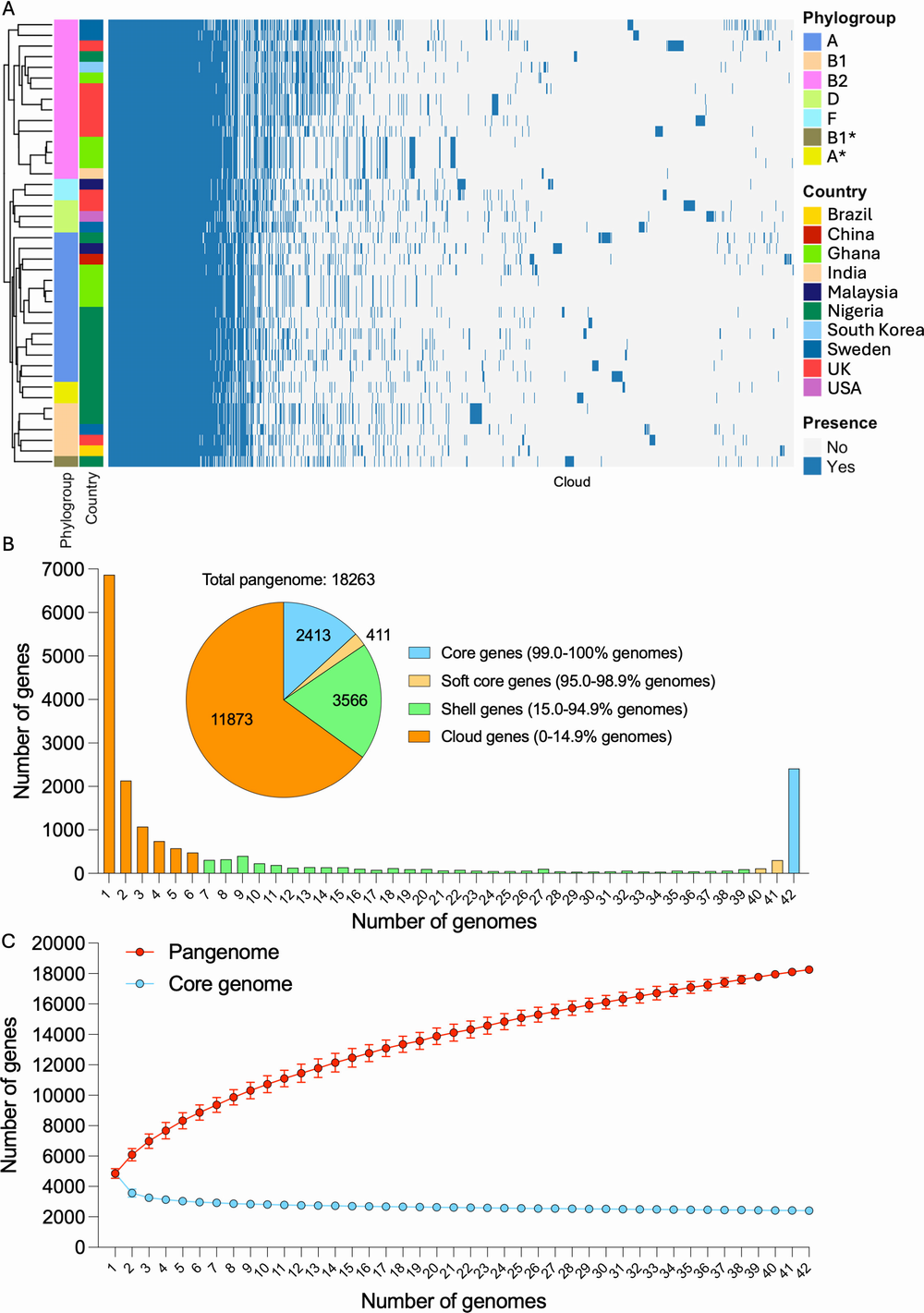
E. Coli Linked To Diabetic Foot Infections Gets Worldwide Analysis

Diabetic foot infections are a serious complications of diabetes and a leading cause of lower-limb...

Social Media Is A Faster Source For Unemployment Data Than Government

Government unemployment data today are what Nielsen TV ratings were decades ago - a flawed metric...

Gestational Diabetes Up 36% In The Last Decade - But Black Women Are Healthiest

Gestational diabetes, a form of glucose intolerance during pregnancy, occurs primarily in women...

Object-Based Processing: Numbers Confuse How We Perceive Spaces

Researchers recently studied the relationship between numerical information in our vision, and...

User picture.
News StaffRSS Feed of this column.

News Releases From All Over The World, Right To You... Read More »

Blogroll

Researchers at the Abramson Family Cancer Research Institute of the University of Pennsylvania and the Dana-Farber Cancer Institute describe in this week’s issue of Science a new candidate breast-cancer susceptibility gene. The Rap80 gene is required for the normal DNA-repair function of the well-known breast cancer gene BRCA1.


Upper panels: BRCA1 and Rap80 are recruited to the same structures at DNA damage sites in human cells treated with ionizing radiation. The merge panel is a digital overlay of the BRCA1 and Rap80 panels. Each circle represents a nucleus within one cell. Lower panels: Rap80 targets BRCA1 to DNA damage sites.

The discovery of a flexible genetic coding in leaf-cutting ants sheds new light on how one of nature's ultimate self-organising species breeds optimum numbers of each worker type to ensure the smooth running of the colony.

Research at the University of Leeds shows that despite an inherited genetic pre-disposition to grow into a particular worker caste, ant larvae can be triggered by environmental stimuli to switch development depending on colony's workforce needs.

Cells have the remarkable ability to keep track of their genetic contents and -- when things go wrong – to step in and repair the damage before cancer or another life-threatening condition develops.

But precisely how cells monitor the integrity of their genomes, identify problems, and intervene to repair broken or miscoded DNA has been one of nature's closely held secrets. Now, however, a report in the journal Science describes a new database developed by a team of researchers from the Howard Hughes Medical Institute at Harvard Medical School that is providing the first detailed portrait of the army of more than 700 proteins that helps maintain DNA’s integrity.

High uric acid levels in the blood are a precursor of gout, the most common inflammatory arthritis in adult men. It is believed that coffee and tea consumption may affect uric acid levels but only one study has been conducted to date. A new large-scale study published in the June 2007 issue of Arthritis Care & Research (http://www.interscience.wiley.com/journal/arthritiscare) examined the relationship between coffee, tea, caffeine intake, and uric acid levels and found that coffee consumption is associated with lower uric acid levels but that this appears to be due to components other than caffeine.

Craving – defined as a powerful urge to drink, or intense thoughts about alcohol – is an important contributor to the development and maintenance of alcoholism. Recent research suggests that appetite-regulating hormones and peptides may be involved in the neurobiology of alcohol craving. A new study has confirmed that appetite-regulating peptides leptin and ghrelin do indeed influence alcohol craving, but especially among certain subtypes of alcoholics.

Plasma astrophysicists at the University of Warwick have found that key information about the Sun’s 'storm season’ is being broadcast across the solar system in a fractal snapshot imprinted in the solar wind. This research opens up new ways of looking at both space weather and the unstable behaviour that affects the operation of fusion powered power plants.